Key Takeaways
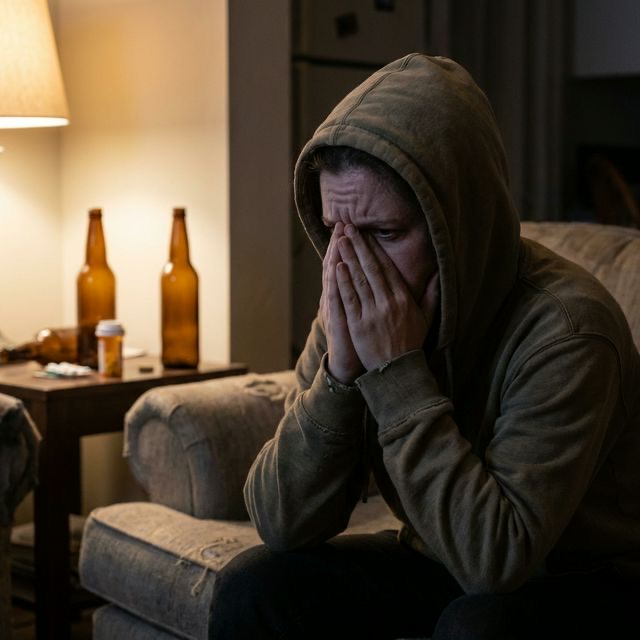
- Agoraphobia, the fear and avoidance of situations where escape might be difficult or help unavailable, drives substance use as a chemical means of managing anxiety that would otherwise prevent functioning in daily life.
- Alcohol and benzodiazepines are the most commonly used substances for agoraphobia self-medication because of their rapid anxiolytic effects, but they worsen the condition long-term through rebound anxiety and reinforcement of avoidance patterns.
- The self-medication cycle in agoraphobia is particularly insidious because substances initially appear to work, allowing the individual to function in feared situations, creating powerful reinforcement before the worsening pattern becomes apparent.
- Substance withdrawal produces severe anxiety that the individual attributes to their agoraphobia, obscuring the substance contribution and reinforcing the belief that they cannot function without chemical support.
- Integrated treatment combining gradual exposure therapy with addiction treatment allows individuals to develop genuine anxiety management skills that replace chemical coping.
Understanding Agoraphobia Beyond Common Misconceptions
Agoraphobia is frequently misunderstood as simply a fear of open spaces or leaving the house. The DSM-5-TR defines it more precisely as marked fear or anxiety about two or more of five categories of situations: using public transportation, being in open spaces, being in enclosed spaces, standing in line or being in a crowd, and being outside the home alone. The unifying feature is fear that escape might be difficult or help unavailable if panic-like symptoms or other incapacitating symptoms occur.
The severity of agoraphobia exists on a spectrum. Some individuals function with moderate restriction, avoiding highways or crowded stores but managing most daily activities. Others become progressively more confined until they are completely homebound, unable to leave their residence without overwhelming panic. Regardless of severity, agoraphobia produces a progressive narrowing of life that creates profound isolation, loss of independence, and diminished quality of life.
At Trust SoCal in Orange County, we understand that agoraphobia creates unique barriers to treatment access because the very act of leaving home and entering a treatment facility triggers the core fears of the disorder. Our admissions team is prepared to work with individuals experiencing agoraphobia to develop graduated approaches to treatment entry that respect the anxiety while moving toward engagement.
The National Comorbidity Survey Replication found that approximately one-third of individuals with agoraphobia also meet criteria for a substance use disorder. Alcohol use disorder is the most common co-occurring substance condition, followed by sedative, hypnotic, and anxiolytic use disorders.
The Self-Medication Cycle: How Substances Become a Chemical Crutch
The pathway from agoraphobia to substance dependence follows a predictable and devastatingly effective reinforcement cycle. Understanding this cycle in detail is essential for both treatment providers and individuals seeking to break free from the combined grip of agoraphobia and addiction.
Phase 1: Discovery of Chemical Relief
The cycle typically begins when an individual with agoraphobia discovers, often accidentally, that a substance dramatically reduces their anxiety in feared situations. A person who has been unable to enter a grocery store without panic discovers that two glasses of wine beforehand makes the trip manageable. Someone who has avoided highway driving discovers that a benzodiazepine allows them to complete the commute. The relief is dramatic and immediate, creating a powerful association between the substance and the capacity to function.
This discovery phase feels like a solution rather than a problem. The individual regains access to activities and places that anxiety had made impossible. From their perspective, the substance is medication that corrects a deficiency, not a recreational indulgence. This framing, while understandable, sets the stage for progressive dependence.
Phase 2: Escalation and Dependence
Tolerance develops predictably with regular use of alcohol or benzodiazepines, requiring increasing doses to achieve the same anxiolytic effect. The individual who initially needed two glasses of wine before leaving the house now needs four. The dose of benzodiazepines that initially controlled panic in enclosed spaces is no longer sufficient. Simultaneously, the brain adapts to the chronic presence of the substance by upregulating excitatory neurotransmitter systems, producing a neurochemical state of heightened anxiety readiness that actually worsens the baseline agoraphobia.
The individual is now caught in a tightening spiral: their anxiety is worse due to neuroadaptation from chronic substance use, requiring higher doses to function, which produces further neuroadaptation and further anxiety escalation. They attribute the worsening anxiety to their agoraphobia progressing, not recognizing that the substance they believe is treating their anxiety is actually intensifying it.
- Tolerance requires progressively higher doses to achieve the same anxiety relief in feared situations
- Neuroadaptation produces inter-dose anxiety that is worse than the original agoraphobia
- The individual attributes worsening anxiety to disease progression rather than substance effects
- Dose escalation increases the severity of eventual withdrawal, which will further intensify anxiety
- Functional capacity becomes entirely dependent on substance availability, creating panic about running out of the substance
Phase 3: Complete Entrenchment
In the fully entrenched phase, the individual cannot function in any previously feared situation without the substance, and the range of situations that trigger anxiety has expanded beyond the original agoraphobic fears. Withdrawal symptoms between doses produce generalized anxiety, insomnia, and physiological distress that make even being at home uncomfortable without the substance. The individual now depends on the substance not merely for managing specific agoraphobic situations but for basic emotional and physiological stability.
At this stage, the agoraphobia and the addiction are so thoroughly intertwined that neither can be effectively treated without addressing the other. Attempts to treat the agoraphobia alone will fail because substance withdrawal will produce anxiety that overwhelms any therapeutic gain from exposure work. Attempts to treat the addiction alone will fail because the unmanaged agoraphobic anxiety will drive relapse. Only integrated treatment that addresses both conditions simultaneously can break this entrenched cycle.
Alcohol and Agoraphobia: The Most Common and Dangerous Combination
Alcohol is the most frequently used substance for agoraphobia self-medication due to its wide availability, social acceptability, and potent anxiolytic properties. Alcohol enhances GABA neurotransmission, the brain's primary inhibitory system, producing rapid reduction in anxiety, muscle tension, and cognitive worry. For someone with agoraphobia, these effects can feel genuinely therapeutic, enabling participation in activities that would otherwise be impossible.
However, alcohol is a particularly dangerous self-medication choice for agoraphobia because of its rebound effects. As blood alcohol levels decline, the brain's excitatory systems, which have been suppressed during intoxication, rebound above baseline, producing increased anxiety, irritability, and physiological arousal. This rebound anxiety typically occurs 6 to 12 hours after drinking and is indistinguishable from agoraphobic anxiety, reinforcing the individual's belief that they need alcohol to manage their condition.
Chronic alcohol use additionally produces kindling of the withdrawal response, meaning that each successive withdrawal episode is more severe than the last. Over time, the individual develops a neurological condition where even brief periods without alcohol produce significant anxiety, tremor, and autonomic instability. At this point, the alcohol-induced anxiety far exceeds the original agoraphobia, but the individual experiences it as one undifferentiated mass of unbearable anxiety that only alcohol can resolve.
Alcohol withdrawal can be medically dangerous and potentially life-threatening. Individuals who have been using alcohol daily to manage agoraphobia should never attempt to stop abruptly without medical supervision. Contact Trust SoCal at (949) 280-8360 for medically supervised detoxification.
Benzodiazepine Dependence: When Prescribed Medication Becomes the Problem
Benzodiazepines present a unique challenge in the agoraphobia-addiction intersection because they may initially be prescribed by well-intentioned physicians for legitimate anxiety management. Medications such as alprazolam (Xanax), clonazepam (Klonopin), and lorazepam (Ativan) are potent anxiolytics that can provide meaningful short-term relief. However, when prescribed for chronic use in agoraphobia, they frequently produce the same escalating dependence pattern described above.
The prescribed nature of benzodiazepines creates additional barriers to recognizing the dependence as problematic. The individual is taking a medication given by a doctor for a diagnosed condition. Dose escalation may be interpreted as the anxiety worsening rather than tolerance developing. The suggestion that the medication itself is contributing to the problem can be met with resistance because it implies that the doctor's treatment was harmful.
Trust SoCal's medical team has extensive experience with benzodiazepine tapering in the context of agoraphobia treatment. We work collaboratively with clients to develop gradual taper schedules that minimize withdrawal discomfort while simultaneously building non-pharmacological anxiety management skills through exposure therapy and cognitive-behavioral interventions.
Signs That Benzodiazepine Use Has Become Problematic
The following indicators suggest that benzodiazepine use for agoraphobia management has crossed from therapeutic use into dependence. Trust SoCal's clinical assessment evaluates for each of these patterns during intake.
- Dose escalation beyond what was originally prescribed, either through taking more frequent doses or increasing the amount per dose
- Taking benzodiazepines preemptively before any anxiety is experienced, driven by fear of potential anxiety rather than actual symptoms
- Experiencing inter-dose anxiety or withdrawal symptoms between scheduled doses, requiring dose increases or more frequent dosing
- Inability to travel or function without having the medication physically available, even if not needed for that specific outing
- Obtaining prescriptions from multiple providers or supplementing prescribed medications with alcohol to achieve adequate anxiety control
- The range of situations requiring medication has expanded far beyond the original agoraphobic triggers
Integrated Treatment: Exposure Therapy Meets Addiction Recovery
Effective treatment for co-occurring agoraphobia and substance dependence requires careful integration of exposure-based anxiety treatment with addiction recovery. The sequencing and pacing of interventions must account for the fact that removing the chemical coping mechanism will temporarily increase anxiety, which must be managed therapeutically rather than pharmacologically.
The initial treatment phase focuses on medical stabilization, including supervised tapering of alcohol or benzodiazepines with appropriate withdrawal management. During this phase, basic anxiety management skills, including diaphragmatic breathing, progressive muscle relaxation, and cognitive restructuring of catastrophic thoughts, are introduced to provide tools that can begin to substitute for the substance's anxiolytic function.
Once medical stabilization is achieved, graduated exposure therapy begins with the least anxiety-provoking items on the individual's fear hierarchy. Exposures are conducted without the use of substances or benzodiazepines, allowing the individual to experience the natural habituation of anxiety that chemical coping prevented. Each successful exposure provides evidence that anxiety is tolerable and time-limited without substance intervention, gradually dismantling the learned belief that functioning requires chemical support. Call Trust SoCal at (949) 280-8360 to learn more about our integrated approach.
During exposure therapy, anxiety will initially feel more intense than it did when substances were available. This is expected and temporary. The anxiety peak typically lasts 20 to 30 minutes before beginning to subside naturally. Each exposure that is completed without substance use teaches the brain that anxiety resolves on its own.
Building an Independent Life Beyond Agoraphobia and Addiction
Recovery from co-occurring agoraphobia and addiction opens the door to a life that the individual may have forgotten was possible. Free from both the restrictions of agoraphobia and the dependence on substances, individuals can re-engage with the world in ways that have been closed to them for years or even decades.
This re-engagement is itself therapeutic. Each new experience that is approached without the old fear and without chemical support reinforces the individual's confidence in their own capacity to manage anxiety. Social connections that were severed by isolation are gradually rebuilt. Activities and interests that were abandoned as the world shrank around agoraphobia and addiction are rediscovered. The progressive expansion of the individual's world is the opposite of the progressive contraction that characterized the illness.
Trust SoCal's aftercare programming for individuals with agoraphobia includes ongoing exposure maintenance, connection with anxiety disorder support communities, continued cognitive-behavioral therapy, and monitoring for any return of avoidance patterns or substance use that could signal a need for additional intervention. Our goal is not merely the absence of agoraphobia and addiction but the presence of a full, independent, and satisfying life. Contact us at (949) 280-8360 to take the first step toward that life.

Medical Review Board, MD, ABAM
Medical Director & Reviewer