Key Takeaways
- Approximately 20 percent of individuals with an anxiety disorder also have a substance use disorder, and the relationship between the two conditions is bidirectional.
- Self-medication with alcohol, benzodiazepines, or other substances provides temporary anxiety relief but ultimately worsens anxiety symptoms and creates physical dependence.
- The self-medication cycle creates a neurological trap: substances initially reduce anxiety by affecting GABA and serotonin systems, but chronic use dysregulates these same systems, producing rebound anxiety that exceeds the original condition.
- Integrated dual diagnosis treatment that addresses both anxiety and substance abuse simultaneously produces significantly better outcomes than treating either condition in isolation.
- Evidence-based approaches for co-occurring anxiety and addiction include cognitive-behavioral therapy, exposure and response prevention, dialectical behavior therapy, and carefully managed medication protocols.
- Trust SoCal's dual diagnosis program is specifically designed to treat co-occurring anxiety disorders and substance use disorders with an integrated clinical team.
The Connection Between Anxiety and Substance Abuse
Anxiety and substance abuse are among the most commonly co-occurring conditions in behavioral health, affecting millions of Americans who struggle with both simultaneously. The relationship between these disorders is complex, bidirectional, and self-reinforcing, creating a cycle that is extraordinarily difficult to break without professional treatment.
Research from the National Institute on Drug Abuse estimates that approximately 20 percent of individuals with an anxiety disorder also meet criteria for a substance use disorder, while roughly 20 percent of those with a substance use disorder have a co-occurring anxiety disorder. These rates are significantly higher than what would be expected by chance, indicating a meaningful clinical relationship between the two conditions.
Understanding how anxiety and substance abuse interact is the first step toward effective treatment. Whether anxiety preceded substance use or developed as a consequence of it, the two conditions become deeply intertwined at neurological, psychological, and behavioral levels. Treating one without addressing the other is a recipe for relapse and continued suffering.
The Anxiety and Depression Association of America reports that approximately 20 percent of people with social anxiety disorder also suffer from alcohol abuse or dependence, making social anxiety one of the most strongly linked anxiety disorders to substance use problems.
The Self-Medication Cycle: How Anxiety Fuels Substance Abuse
The self-medication hypothesis is the most widely supported explanation for the high co-occurrence of anxiety and substance abuse. Individuals with untreated or undertreated anxiety discover that certain substances provide rapid, powerful relief from their symptoms. This relief is so effective in the short term that it creates a compelling pattern of use that quickly escalates.
Alcohol is the most commonly used substance for self-medicating anxiety due to its legal status, social acceptance, and powerful anxiolytic effects. When alcohol binds to GABA receptors in the brain, it produces a sense of calm and social ease that can feel transformative for someone living with chronic anxiety. Similarly, benzodiazepines, opioids, and marijuana are frequently used to manage anxiety symptoms.
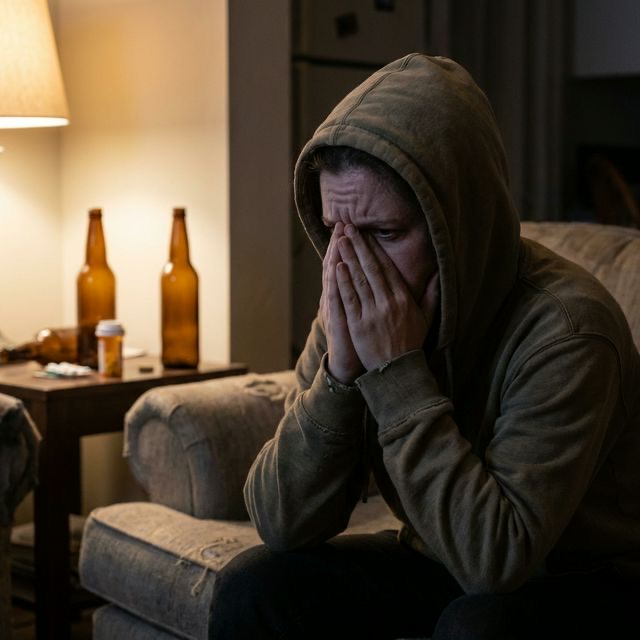
The problem is that self-medication creates a neurological trap. Chronic substance use downregulates the brain's natural anxiety-management systems, including GABA receptors and serotonin pathways. When the substance wears off, the brain produces a rebound anxiety response that is often more intense than the original condition. This drives increased use, tolerance, and eventual dependence, completing the cycle from anxiety to addiction.
Which Comes First: Anxiety or Addiction?
The question of temporal precedence, whether anxiety causes addiction or addiction causes anxiety, is clinically important but often impossible to answer definitively. In many cases, subclinical anxiety predates substance use by years, with individuals discovering the anxiolytic properties of substances during adolescence or early adulthood.
In other cases, chronic substance use itself generates anxiety through neurological changes, particularly during withdrawal and early abstinence. Stimulant use, alcohol withdrawal, and benzodiazepine discontinuation are all known to produce severe anxiety that can persist for weeks or months after the substance is stopped. This substance-induced anxiety can become a permanent condition if left untreated.
Common Anxiety Disorders That Co-Occur with Addiction
Several specific anxiety disorders have particularly high rates of co-occurrence with substance use disorders. Each type of anxiety interacts with substance use in distinct ways, requiring tailored treatment approaches.
Generalized Anxiety Disorder (GAD)
GAD is characterized by persistent, excessive worry about multiple areas of life. Individuals with GAD may use alcohol or sedatives to quiet the constant internal chatter of worry. The chronic nature of GAD makes it particularly susceptible to the self-medication pattern, as there is no predictable anxious episode to manage but rather a relentless baseline of tension.
Social Anxiety Disorder
Social anxiety disorder produces intense fear of social situations and judgment by others. Alcohol use in social settings is so normalized that many people with social anxiety develop alcohol dependence before recognizing the pattern. The temporary confidence and reduced inhibition that alcohol provides can become psychologically indispensable for social functioning.
Panic Disorder
Panic disorder involves recurrent, unexpected panic attacks accompanied by intense physical symptoms including rapid heart rate, chest tightness, shortness of breath, and dizziness. The fear of future panic attacks, called anticipatory anxiety, often drives benzodiazepine or alcohol use as a way to prevent or blunt these terrifying episodes.
Post-Traumatic Stress Disorder (PTSD)
While PTSD is classified separately from anxiety disorders in the DSM-5, its anxiety-related symptoms including hypervigilance, startle responses, and avoidance strongly overlap with anxiety disorders. PTSD has one of the highest co-occurrence rates with substance use disorders, with some studies showing rates above 50 percent among combat veterans and survivors of sexual assault.
How Anxiety Fuels Relapse in Recovery
Untreated anxiety is one of the most significant predictors of relapse in individuals recovering from substance use disorders. When anxiety symptoms persist or worsen during early recovery, the psychological pressure to return to the familiar relief of substance use becomes overwhelming. Understanding this dynamic is critical for effective relapse prevention.
During early recovery, the brain is in a state of heightened anxiety as it readjusts to functioning without substances. This period, often called post-acute withdrawal syndrome, can last for months and includes symptoms such as persistent anxiety, irritability, sleep disturbances, and difficulty concentrating. For individuals with a pre-existing anxiety disorder, these symptoms layer on top of their baseline condition, creating what can feel like unbearable distress.
Effective relapse prevention for individuals with co-occurring anxiety requires proactive anxiety management strategies including ongoing therapy, potentially medication, stress reduction techniques, and a recovery support network that understands the dual diagnosis dynamic. Without these supports, the risk of relapse driven by untreated anxiety remains dangerously high.
If you are in recovery and experiencing worsening anxiety symptoms, do not attempt to manage them by resuming substance use. Contact your therapist, sponsor, or treatment provider immediately. Untreated anxiety is a treatable condition, and there are safe, effective interventions available.
Integrated Treatment for Anxiety and Substance Abuse
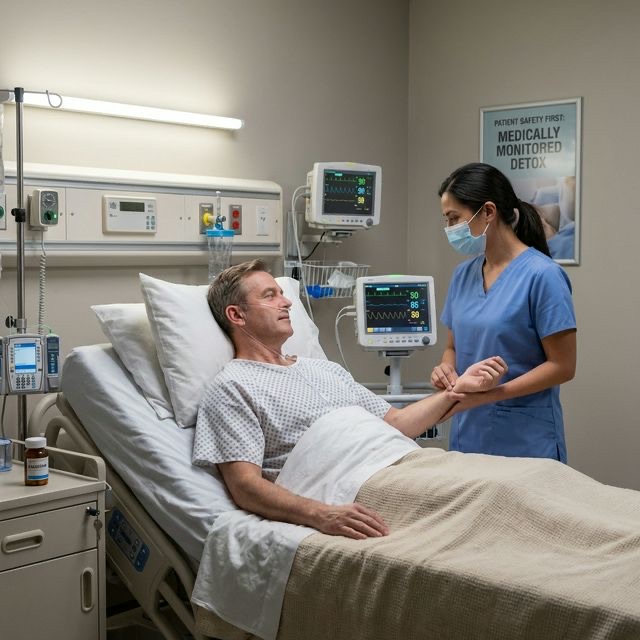
Integrated dual diagnosis treatment addresses anxiety and substance abuse simultaneously within a single, coordinated treatment plan. This approach is supported by extensive research showing that treating both conditions concurrently produces significantly better outcomes than sequential or parallel treatment models.
At an integrated program, the same clinical team manages both the addiction and the anxiety disorder, ensuring that treatment decisions account for the interaction between the two conditions. For example, medication choices consider both the anxiety diagnosis and the addiction history, avoiding medications with abuse potential while still providing effective symptom relief.
Mindfulness meditation, deep breathing exercises, progressive muscle relaxation, and regular physical exercise are all evidence-based anxiety management techniques that complement clinical treatment and are safe for individuals in recovery.
Cognitive-Behavioral Therapy (CBT)
CBT is the gold-standard psychotherapy for both anxiety disorders and substance use disorders, making it an ideal modality for dual diagnosis treatment. CBT helps clients identify the thought patterns that drive both anxious responses and substance-seeking behavior, develop healthier cognitive responses, and build practical coping skills that replace substance use as an anxiety management strategy.
Exposure and Response Prevention
For anxiety disorders involving avoidance behaviors, exposure therapy is a highly effective component of dual diagnosis treatment. Gradual, systematic exposure to anxiety-triggering situations, combined with prevention of the substance-use response, retrains the brain's threat-detection system and builds tolerance for discomfort without chemical intervention.
Medication Management in Dual Diagnosis
Medication plays an important role in treating co-occurring anxiety and addiction, but prescribing requires careful clinical judgment. Benzodiazepines, while highly effective for anxiety, carry significant abuse potential and are generally contraindicated for individuals with substance use disorders. Instead, non-addictive alternatives such as SSRIs, SNRIs, buspirone, hydroxyzine, and certain anticonvulsants are used to manage anxiety symptoms safely in the recovery population.
At Trust SoCal, our medical team carefully evaluates each client's psychiatric and addiction history to develop a medication plan that addresses anxiety without introducing relapse risk. Regular monitoring and adjustment ensure that medication continues to support both recovery goals.
Trust SoCal's Dual Diagnosis Program for Anxiety and Addiction
Trust SoCal in Fountain Valley provides specialized dual diagnosis treatment for individuals struggling with co-occurring anxiety disorders and substance use disorders. Our integrated clinical team includes addiction medicine physicians, licensed therapists trained in CBT and exposure therapy, and psychiatric providers who specialize in safe medication management for the recovery population.
Our program addresses the full spectrum of anxiety disorders, from generalized anxiety and social anxiety to panic disorder and PTSD, within the context of addiction treatment. We understand that treating addiction without addressing the underlying anxiety is a formula for relapse, and our approach reflects that understanding in every aspect of care.
If you or a loved one is struggling with anxiety and substance abuse, Trust SoCal can help. Call (949) 280-8360 for a free, confidential consultation. Our admissions team can assess your situation, verify your insurance, and help you access the integrated treatment you deserve.

Courtney Rolle, CMHC
Clinical Mental Health Counselor