Key Takeaways
- Long Island (Nassau and Suffolk counties) has a significant opioid crisis with overdose rates rivaling the five boroughs, driven by fentanyl and prescription pill diversion.
- Westchester County offers high-end residential treatment facilities that attract clients from Manhattan and the broader NYC metro area.
- The Long Island Rail Road (LIRR) and Metro-North Railroad connect suburban treatment facilities to NYC, enabling family involvement during treatment.
- Suburban programs often have shorter wait times than NYC-based facilities, providing faster access to residential and detox care.
- Many Long Island and Westchester residents ultimately choose out-of-state treatment for greater privacy and distance from local triggers.
- Trust SoCal provides seamless admissions for Long Island and Westchester residents with direct flights from JFK, LGA, EWR, and Westchester County Airport.
The Addiction Crisis Beyond NYC Boroughs
While New York City dominates headlines about the addiction crisis, the surrounding suburban communities of Long Island and Westchester County face equally devastating substance use epidemics. Nassau and Suffolk counties on Long Island have experienced some of the highest overdose death rates in New York State, with fentanyl transforming what was once primarily a prescription pill problem into a lethal street-level crisis. Westchester County, stretching from the Bronx border north through affluent communities like Scarsdale and Bronxville, confronts its own complex landscape of addiction that crosses every socioeconomic boundary.
The suburban nature of these communities creates unique challenges for addiction treatment. Unlike the five boroughs where the MTA subway provides dense public transit connectivity, Long Island and Westchester residents often depend on cars or commuter rail to reach treatment facilities. The sprawling geography means that programs are spread across large areas, and the social stigma of addiction can feel particularly acute in close-knit suburban communities where anonymity is difficult to maintain.
Understanding the treatment resources available in Long Island and Westchester empowers individuals and families to make informed decisions about where to seek care, whether that means a local program, a five-borough facility accessible via LIRR or Metro-North, or an out-of-state option like Trust SoCal that provides geographic distance and clinical excellence.
Long Island and Westchester residents can access addiction treatment resources through the New York State OASAS HOPEline at 1-877-846-7369, available 24/7 for referrals and support. For out-of-state options, call Trust SoCal at (949) 280-8360.
Long Island: Nassau and Suffolk Counties
Long Island's two counties each present distinct addiction treatment landscapes shaped by local demographics and resources.
- Nassau County: Dense suburban communities with multiple hospital-based treatment programs including those at North Shore University Hospital and Nassau University Medical Center.
- Suffolk County: Larger and more geographically spread out, Suffolk faces acute challenges in eastern communities where treatment facilities are sparse and transportation is limited.
- Heroin and fentanyl trafficking along the Long Island Expressway (I-495) has made the island a major corridor for illicit opioid distribution.
Westchester County
Westchester presents a complex treatment landscape where affluent communities and underserved areas coexist.
- Communities like White Plains, Yonkers, and New Rochelle offer diverse treatment options from hospital-based programs to private residential facilities.
- Westchester Medical Center operates a comprehensive addiction medicine department serving the entire county.
- Metro-North Railroad connections to Manhattan provide access to the broader NYC treatment network for Westchester residents.
Substance Use Trends in the Suburbs
Suburban communities face distinct substance use patterns that differ from the five boroughs in important ways.
- Prescription opioid diversion remains more prevalent in suburban areas where access to prescribing physicians historically fueled the early epidemic.
- Alcohol use disorder is significant in affluent suburban communities where social drinking culture is deeply entrenched.
- Youth substance use, particularly vaping, marijuana, and prescription stimulant misuse, is a growing concern in Long Island and Westchester school districts.
Detox and Inpatient Programs on Long Island
Long Island offers multiple medical detoxification and inpatient treatment programs through its hospital systems and standalone treatment facilities. North Shore University Hospital in Manhasset, Stony Brook University Hospital in Suffolk County, and several community hospitals provide medically supervised withdrawal management for alcohol, opioids, and benzodiazepines.
The capacity of Long Island detox programs has expanded in response to the opioid crisis but continues to face demand that periodically exceeds available beds. Suffolk County, in particular, has fewer treatment resources per capita than Nassau County, creating disparities in access for residents of the eastern portions of the island.
If Long Island detox programs have wait times, do not delay treatment. Trust SoCal can arrange same-day or next-day admission with airport pickup from JFK or LaGuardia. Call (949) 280-8360 for immediate assistance.
Hospital-Based Detox
Long Island hospital systems provide the highest level of medically supervised detoxification.
- North Shore University Hospital in Manhasset offers comprehensive addiction medicine services including detox and MAT initiation.
- Stony Brook University Hospital provides detox and psychiatric stabilization for dual-diagnosis patients in central Suffolk County.
- South Oaks Hospital in Amityville is one of Long Island's oldest specialized behavioral health and addiction treatment facilities.
Residential Treatment Options
Residential programs on Long Island range from short-term stabilization to extended therapeutic communities.
- OASAS-licensed residential programs in Nassau and Suffolk accept Medicaid and provide 30 to 90-day treatment stays.
- Some Long Island residential programs offer specialized tracks for young adults, women, and veterans.
- Private residential facilities in the Hamptons and North Shore communities serve affluent clients seeking discreet, high-end treatment.
Navigating Long Island Treatment Access
Geographic and transportation barriers complicate treatment access, particularly in eastern Suffolk County.
- The LIRR provides rail connections from Penn Station to communities across Nassau and western Suffolk, but service becomes limited east of Ronkonkoma.
- Suffolk County Transit and NICE Bus in Nassau provide limited public transit options that may not align with treatment session schedules.
- Medicaid-managed care transportation benefits cover rides to covered treatment appointments for eligible Long Island residents.
Treatment Resources in Westchester County
Westchester County offers a robust treatment infrastructure anchored by Westchester Medical Center, community health centers, and a network of private treatment providers. The county's proximity to the Bronx means that individuals can also access the extensive NYC treatment system via Metro-North Railroad or I-95, expanding the range of available options.
The mix of urban, suburban, and semi-rural communities in Westchester creates varied treatment needs. Yonkers and Mount Vernon face challenges similar to the Bronx, while communities further north like Peekskill and Ossining have their own distinct substance use patterns and resource gaps.
Westchester Medical Center and Hospital Programs
The county's hospital systems provide the foundation of addiction treatment infrastructure.
- Westchester Medical Center in Valhalla operates addiction medicine, detox, and MAT services serving the entire county.
- White Plains Hospital and Montefiore New Rochelle provide emergency stabilization and referrals to ongoing treatment.
- Greenwich Hospital, while in Connecticut, serves many southern Westchester residents just across the state border along I-95.
Outpatient and IOP Programs
Westchester outpatient programs benefit from strong connections to the broader NYC clinical community.
- Intensive outpatient programs in White Plains, Yonkers, and New Rochelle serve diverse populations with varied insurance coverage.
- Many Westchester providers offer telehealth options, allowing residents to access treatment without driving to appointments.
- Programs along the Metro-North Harlem and Hudson lines are accessible to residents throughout the county.
Private and Luxury Treatment
Westchester is home to several private residential treatment facilities that draw clients from across the NYC metro area.
- Private facilities offer amenities including private rooms, gourmet nutrition, equine therapy, and executive tracks for professionals.
- These programs typically accept PPO insurance and private pay, with costs ranging from $20,000 to $80,000 per month.
- The privacy afforded by Westchester's suburban setting attracts professionals from Manhattan who require discretion during treatment.
Medication-Assisted Treatment in the NYC Suburbs
Access to medication-assisted treatment has expanded significantly across Long Island and Westchester, though gaps remain compared to the density of providers available in the five boroughs. Methadone clinics operate in multiple locations across Nassau, Suffolk, and Westchester counties, while buprenorphine prescribers have increased following the elimination of the federal X-waiver requirement.
The suburban MAT landscape differs from NYC in important ways. Methadone clinics are fewer and further apart, requiring individuals to travel greater distances for daily dosing during the stabilization phase. However, office-based buprenorphine treatment integrates well into the suburban primary care model, with many family medicine and internal medicine practices now offering MAT as part of routine care.
If you are struggling to find a buprenorphine prescriber near your Long Island or Westchester home, the SAMHSA treatment locator at findtreatment.gov allows you to search by medication type and zip code. Any licensed prescriber in New York can now prescribe buprenorphine.
Methadone Access on Long Island and Westchester
Licensed opioid treatment programs provide methadone in several locations across the suburban counties.
- Nassau County has multiple methadone clinics concentrated in Hempstead, Freeport, and central Nassau communities.
- Suffolk County methadone access is more limited, particularly in eastern communities where no clinics operate.
- Westchester methadone programs are located primarily in Yonkers, White Plains, and Peekskill.
Buprenorphine in Primary Care
The integration of buprenorphine prescribing into suburban primary care is transforming MAT access.
- Community health centers across Long Island and Westchester have added buprenorphine to their service offerings.
- Private primary care practices in affluent communities are increasingly comfortable prescribing and managing buprenorphine treatment.
- Telehealth buprenorphine services provide access for residents in areas with limited in-person prescribers.
Young Adult and Adolescent Treatment
Long Island and Westchester face particularly acute concerns about substance use among young people. The opioid epidemic has hit suburban youth hard, with many individuals who began misusing prescription pills in high school transitioning to heroin and fentanyl. Alcohol and marijuana remain the most commonly used substances among adolescents, while prescription stimulant misuse is prevalent in academically competitive school districts.
Specialized treatment programs for adolescents and young adults are available across both regions, though the options are more limited than adult programs. These programs address the developmental and social factors unique to younger populations, including family dynamics, academic pressures, peer influence, and emerging mental health conditions.
Parents concerned about a child's substance use can call the OASAS Parent Helpline at 1-855-HOPE-NYS (1-855-467-3697) for guidance and referrals to age-appropriate treatment programs in Long Island and Westchester.
Adolescent Treatment Programs
Specialized adolescent programs address the unique needs of individuals under 18 struggling with substance use.
- Long Island has several OASAS-licensed adolescent outpatient programs that coordinate with school districts to maintain academic progress during treatment.
- Family therapy is a central component of adolescent treatment, addressing family system dynamics that may contribute to substance use.
- Residential adolescent programs in the NYC metro area are limited, often requiring families to consider out-of-area or out-of-state options.
Young Adult (18-25) Programs
Young adults face unique challenges in the transition from adolescence to independence that complicate recovery.
- College student programs in Nassau and Westchester address the intersection of academic pressure, social drinking culture, and substance use disorders.
- Young adult residential programs provide developmentally appropriate treatment with vocational and life skills components.
- Trust SoCal offers young adult-focused treatment in California, providing physical distance from the social environments that reinforce substance use. Call (949) 280-8360.
School-Based Prevention and Intervention
Long Island and Westchester school districts have expanded substance use prevention and early intervention programs.
- Student assistance programs (SAPs) provide in-school counseling and referrals for students showing signs of substance use.
- Prescription drug take-back programs in suburban communities aim to reduce the supply of diverted medications available to youth.
- Community coalitions in Nassau, Suffolk, and Westchester coordinate prevention efforts across schools, families, and law enforcement.
Insurance Coverage for Suburban Treatment
Insurance coverage for addiction treatment in Long Island and Westchester follows the same New York State parity mandates that apply in the five boroughs. Commercial insurance plans must cover substance use disorder treatment at parity with medical and surgical benefits, and Medicaid provides comprehensive addiction treatment coverage. However, the mix of insurance types in suburban communities tends to differ from NYC, with higher rates of employer-sponsored PPO coverage that can expand treatment options significantly.
PPO insurance plans common among Long Island and Westchester professionals often include out-of-network benefits that enable treatment at facilities anywhere in the country. This means that individuals with PPO coverage are not limited to local in-network providers and can access specialized programs, including Trust SoCal in Fountain Valley, California, with significant insurance coverage.
Trust SoCal accepts most PPO insurance plans from New York, including plans from employers based in Manhattan, Long Island, and Westchester. Call (949) 280-8360 for a free insurance verification to understand your out-of-network benefits.
Commercial PPO Coverage
PPO plans prevalent in suburban communities offer the greatest flexibility for treatment choice.
- Out-of-network benefits typically cover 60 to 80 percent of treatment costs after the deductible, enabling access to out-of-state programs.
- Major employers in Manhattan, Long Island, and Westchester commonly offer PPO options through Aetna, Cigna, UnitedHealthcare, and Blue Cross Blue Shield.
- Many PPO plans cover 30 to 90 days of residential treatment when medical necessity is documented by the treatment provider.
Medicaid Coverage in the Suburbs
Medicaid coverage in Nassau, Suffolk, and Westchester operates through managed care organizations.
- Medicaid managed care plans must cover all ASAM levels of care from detox through outpatient and MAT.
- Prior authorization requirements may apply for residential treatment, and the managed care plan determines which facilities are in-network.
- Medicaid transportation benefits cover rides to covered treatment appointments, which is critical in car-dependent suburban communities.
Why Suburban New Yorkers Choose Out-of-State Treatment
Long Island and Westchester residents frequently choose out-of-state treatment for reasons that extend beyond the motivations of five-borough residents. In close-knit suburban communities where social networks overlap extensively, the fear of being seen entering a local treatment facility is a powerful deterrent to seeking help. The anonymity possible in an out-of-state setting removes this barrier entirely.
Professionals who commute to Manhattan from Long Island and Westchester face the additional challenge of maintaining career confidentiality during treatment. An out-of-state program provides geographic cover that makes it possible to pursue treatment without colleagues, neighbors, or social contacts becoming aware. Trust SoCal in Fountain Valley, California, has served numerous professionals from the NYC suburbs who valued the combination of clinical excellence and geographic discretion.
The therapeutic environment of Southern California also offers a stark contrast to the stress of suburban New York. Year-round mild weather, outdoor wellness activities, and a culture that normalizes health-conscious living provide an environment that supports healing in ways the Northeastern winter cannot.
Living in a small Long Island town meant everyone knew everyone. Going to rehab locally was not an option for me professionally. Trust SoCal gave me world-class treatment 3,000 miles from anyone who knew me.
— Trust SoCal Alumni, Nassau County
Privacy and Confidentiality
Suburban communities present unique privacy challenges that out-of-state treatment resolves.
- In communities where parents know each other through schools, youth sports, and neighborhood associations, local treatment attendance is difficult to conceal.
- Professional licensing concerns in fields like law, medicine, and finance make confidential treatment essential for career preservation.
- Trust SoCal maintains strict HIPAA compliance and does not share treatment information with any third party without written consent.
Travel Logistics from the NYC Suburbs
Getting to Trust SoCal from Long Island or Westchester is straightforward with multiple airport options.
- JFK International Airport is accessible from Long Island via the LIRR and from Westchester via I-95 or the Cross Bronx Expressway.
- LaGuardia Airport serves both Long Island and Westchester residents with nonstop flights to LAX.
- Westchester County Airport (HPN) in White Plains offers connections through major hubs to Southern California.
Family Involvement from a Distance
Trust SoCal ensures that geographic distance does not diminish family involvement in the treatment process.
- Weekly family therapy sessions via secure video accommodate Long Island and Westchester family members' schedules.
- Family education workshops help loved ones understand addiction, enabling them to provide effective support upon the client's return.
- Discharge planning includes coordination with local therapists, recovery meetings, and sober support near the client's home community.
Recovery Resources in the NYC Suburbs
Building a recovery life in Long Island or Westchester requires engagement with local support systems that may be less visible than those in the five boroughs but are nonetheless robust. Recovery meetings, sober living options, and community organizations provide the ongoing structure needed to maintain sobriety in suburban environments where social drinking and drug-using networks can be deeply embedded.
The suburban recovery community has grown significantly in response to the opioid epidemic, with new meetings, recovery centers, and support groups establishing themselves across Nassau, Suffolk, and Westchester. These resources complement clinical treatment and provide the social connections essential for long-term recovery.
Recovery Meetings on Long Island and Westchester
Both regions offer extensive recovery meeting networks, though frequency and variety may be less than in NYC.
- AA and NA meetings are held daily across Long Island and Westchester, with online meeting directories available for each fellowship.
- SMART Recovery meetings have expanded in both regions, offering a secular, science-based alternative to 12-step programs.
- Young people's recovery meetings specifically for individuals under 30 are available in several Long Island and Westchester communities.
Sober Living in the Suburbs
Sober living options in Long Island and Westchester provide transitional housing in community settings.
- Oxford House locations operate in multiple Long Island and Westchester communities with peer-managed, democratic governance.
- OASAS-certified community residences provide structured sober living with clinical support and monitoring.
- Sober living costs in the suburbs are generally lower than Manhattan, making extended transitional housing more financially accessible.
Contact Trust SoCal for Long Island and Westchester Residents
If you or a loved one in Long Island or Westchester County is struggling with addiction, Trust SoCal offers a proven path to recovery in the therapeutic environment of Southern California. Our clinical team understands the unique pressures facing suburban New York professionals and families, and we develop individualized treatment plans that address both the addiction and the life circumstances surrounding it.
Call Trust SoCal at (949) 280-8360 for a free, confidential consultation. Our admissions team will verify your insurance, discuss travel logistics from JFK, LaGuardia, Newark, or Westchester County Airport, and answer any questions about our programs. Recovery is possible, and it starts with a single call.
Trust SoCal offers complimentary insurance verification and travel coordination for Long Island and Westchester residents. Our Fountain Valley, California facility is just 15 minutes from John Wayne Airport. Call (949) 280-8360 today.
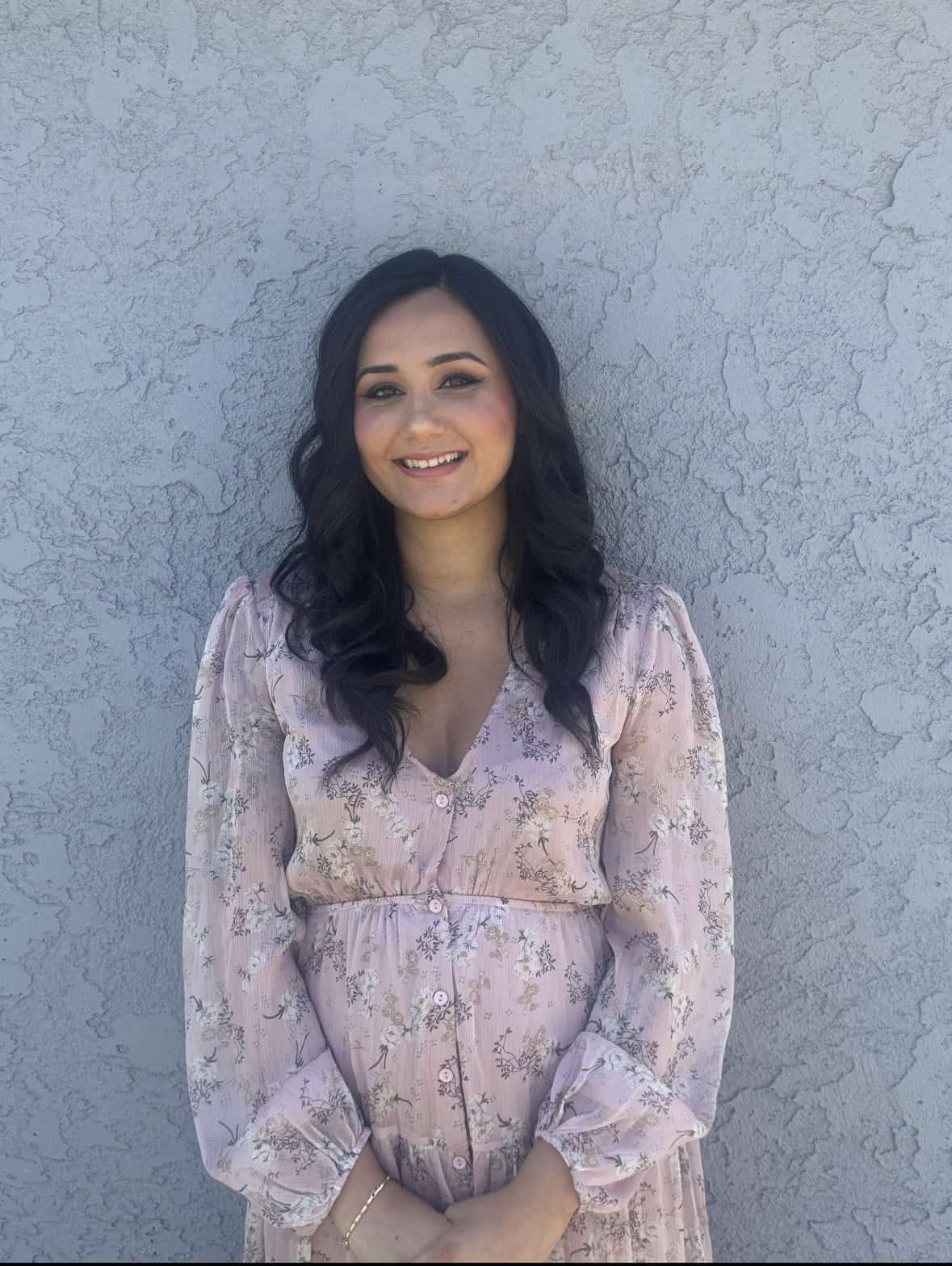
Rachel Handa, Clinical Director
Clinical Director & Therapist