

Key Takeaways
- Chula Vista serves as San Diego County's primary hub for South County treatment services, with multiple DHCS-licensed residential and outpatient programs accessible within the city.
- The city's proximity to the Mexican border creates unique treatment considerations, including support for individuals affected by cross-border substance trafficking and transnational family recovery issues.
- Multiple levels of care are available locally, from medical detox and residential treatment to intensive outpatient and sober living homes throughout Chula Vista neighborhoods.
- AA and NA meetings are widely available across Chula Vista, with venues concentrated in downtown, the Bay Boulevard corridor, and residential neighborhoods.
- Trust SoCal in nearby Fountain Valley provides comprehensive treatment just 45 minutes from Chula Vista via I-5 North. Call (949) 280-8360 for a free assessment.
Chula Vista: Gateway to South San Diego County Recovery
Chula Vista, home to over 275,000 residents, represents the second-largest city in San Diego County and serves as the gateway community for individuals seeking recovery resources in the region's south. The city's demographic diversity -- including substantial Spanish-speaking, Filipino, Vietnamese, and Asian communities -- creates specific treatment considerations and cultural competency requirements that forward-thinking treatment providers address through multilingual clinicians, cultural brokers, and community partnerships.
The city's geographic position at the U.S.-Mexico border shapes its recovery landscape in ways unique among Southern California treatment hubs. Cross-border substance trafficking, family recovery situations complicated by immigration status and separation, and access to unregulated treatment options south of the border are realities that Chula Vista treatment providers must address. Quality programs in the area understand these complexities and provide non-judgmental, trauma-informed care regardless of immigration background.
Economically, Chula Vista is more affordable than central San Diego or Orange County, meaning treatment programs, sober living homes, and basic living expenses are more accessible to individuals with limited financial resources. The city's position on the I-5 corridor provides reasonable connectivity to Orange County treatment facilities (45 minutes to Fountain Valley) while maintaining its own growing treatment infrastructure.
Chula Vista's population is approximately 65% Hispanic, 18% Asian, and 12% White. Quality treatment programs in the area offer Spanish-language services, cultural competency training, and understanding of transnational family systems.
Chula Vista Neighborhoods and Recovery Environments
Different Chula Vista neighborhoods offer distinct living experiences for individuals in recovery. Understanding the geography helps newcomers choose sober living arrangements and meeting locations that match their needs.
- Downtown Chula Vista: Walkable area with treatment offices, meeting venues, and revitalized public spaces -- convenient but with visible substance use issues in some blocks
- Bay Boulevard Corridor: Mixed commercial and residential with multiple treatment centers, outpatient providers, and easy freeway access via I-5
- Eastlake: Newer master-planned community with parks, trails, and residential stability -- family-friendly neighborhood appealing to people prioritizing a calm recovery environment
- Rancho del Rey: Quiet residential area near trails and open space, popular for sober living homes due to affordability and residential character
- South Bay: Waterfront neighborhoods near the Bayfront Village with ocean access, parks, and community resources
Treatment Levels of Care Available in Chula Vista
Addiction treatment in Chula Vista follows the American Society of Addiction Medicine (ASAM) continuum of care, from acute detoxification through long-term outpatient maintenance. The city has expanded its treatment capacity over the past five years, making comprehensive care increasingly accessible within South County boundaries.
Medical detoxification, the supervised management of acute withdrawal symptoms, is available through licensed detox programs in Chula Vista as well as at Scripps Healthcare facilities and Sharp HealthCare centers that serve the region. For individuals physically dependent on alcohol, opioids, or benzodiazepines, detoxification is often the essential first step before transitioning to residential or intensive outpatient treatment.
When evaluating Chula Vista treatment programs, verify DHCS licensure, check for accreditation (CARF or Joint Commission), confirm staff credentials, and ask about payment options. Trust SoCal can verify your insurance benefits at no cost -- call (949) 280-8360.
Residential Treatment Programs in Chula Vista
Residential treatment programs provide 24-hour structured care, typically lasting 30 to 90 days. Clients live on-site at licensed facilities, attend daily individual and group therapy, participate in educational sessions about addiction neuroscience, and begin rebuilding their coping skills. Several DHCS-licensed residential programs operate throughout Chula Vista and the South County area.
- Residential programs range from 10-bed intimate facilities to larger 30-50 bed centers depending on location and operator
- Most programs accept major insurance including Anthem Blue Cross, Aetna, Cigna, and Blue Shield of California
- Dual-diagnosis residential programs simultaneously treat substance use disorders and co-occurring mental health conditions like depression, anxiety, and PTSD
- Family-focused residential programs offer family therapy sessions and weekend reunification visits to strengthen recovery support systems
Intensive Outpatient and Outpatient Programs
Intensive outpatient programs (IOP) meet three to five days per week for three or more hours per session, allowing clients to maintain work, school, or family responsibilities. Chula Vista's expanding outpatient network serves working professionals, students, and parents who cannot commit to residential placement but need structured programming beyond weekly therapy.
- Morning and evening IOP schedules accommodate various work and school schedules
- Telehealth outpatient options expanded significantly during and after 2020, providing remote access to clinicians for individuals unable to attend in-person sessions
- Scripps and Sharp HealthCare offer outpatient addiction medicine at multiple locations throughout Chula Vista and San Diego County
- Community mental health centers in Chula Vista provide low-cost outpatient services on sliding-scale fee schedules for uninsured or underinsured individuals
Recovery Meetings and Peer Support in Chula Vista
Twelve-step meetings form the backbone of long-term recovery for many Chula Vista residents. AA (Alcoholics Anonymous), NA (Narcotics Anonymous), Al-Anon, and other mutual-aid groups meet throughout the city multiple times daily. The diversity of meeting types -- speaker meetings, discussion meetings, book study meetings, and meetings focused on specific demographics -- ensures that people with different learning styles and backgrounds can find a group that resonates.
Beyond traditional 12-step programs, Chula Vista residents have access to SMART Recovery meetings (science-based, non-spiritual), Refuge Recovery (Buddhist-oriented meditation), and LifeRing Secular Recovery meetings that meet in nearby San Diego. The abundance of meeting options means no one need feel limited by philosophical disagreement with any single mutual-aid framework.
Chula Vista hosts over 50 weekly AA meetings and 25+ weekly NA meetings across downtown, the Bay Boulevard corridor, and residential neighborhoods. Most meetings are held at churches, community centers, and dedicated recovery spaces.
Choosing and Attending Meetings in Chula Vista
Newcomers often feel overwhelmed by meeting options. A practical approach is to attend at least six different meetings over two weeks before selecting a "home group" where you'll attend regularly. Look for meetings matching your demographics and learning preferences.
- Speaker meetings feature one person sharing their recovery story -- ideal for newcomers who want to listen and learn
- Discussion meetings encourage open participation and build stronger interpersonal connections among regular attendees
- Book study meetings work through recovery literature like the AA Big Book or NA Basic Text systematically
- Spanish-language meetings are available throughout Chula Vista and serve the region's significant Spanish-speaking population
- Young people's and LGBTQ+-friendly meetings provide age and identity-specific support communities
Sober Living Homes in Chula Vista
Sober living homes (SLEs) provide drug- and alcohol-free housing for individuals transitioning out of residential treatment or stabilizing during outpatient care. Chula Vista has a growing sober living inventory, with homes concentrated in the Eastlake area, Bay Boulevard corridor, and Rancho del Rey neighborhoods. These facilities provide structure, accountability, and peer support that make early recovery significantly more achievable than attempting sobriety while housing-insecure or in chaotic living situations.
Quality sober living homes in Chula Vista charge between $600 and $1,800 per month for shared rooms and $1,200 to $2,500 for private rooms -- considerably more affordable than comparable housing in central San Diego or Orange County. Most homes require minimum 30-day commitment, random drug and alcohol testing, participation in house meetings, and either full-time employment or active job searching after an initial settling-in period.
What to Expect in a Chula Vista Sober Living Home
Quality sober living homes maintain clear operational standards that balance accountability with respect for resident autonomy. Look for homes with on-site or readily available house managers, written rules provided before move-in, regular drug testing protocols, and structured schedules that support recovery.
- Shared rooms reduce cost; private rooms available at higher price points
- Most homes provide basic furnishings, Internet, and shared kitchen facilities
- House meetings (typically weekly) address community issues and reinforce recovery norms
- Drug and alcohol testing occurs at least weekly, with random additional tests for accountability
- Employment expectations or job search requirements after 30-day initial period
- Transportation to meetings and treatment sometimes provided or coordinated among residents
Insurance Coverage and Financial Considerations for Chula Vista Residents
Many Chula Vista residents carry health insurance through employers, the ACA marketplace (Covered California), or Medi-Cal administered by San Diego County Health and Human Services. The Mental Health Parity and Addiction Equity Act requires insurance plans to cover substance use disorder treatment at parity with medical/surgical benefits, meaning comparable copays and deductibles should apply.
For uninsured or underinsured Chula Vista residents, community mental health centers provide low-cost or sliding-scale outpatient services. San Diego County Health and Human Services contracts with a network of DHCS-licensed treatment providers throughout the county. Scripps Healthcare and Sharp HealthCare, major health systems with facilities in Chula Vista, offer financial assistance programs for individuals unable to pay full charges.
Out-of-pocket costs vary significantly depending on level of care and insurance plan. Medical detox may involve hospital-level charges ($2,000-$5,000), residential treatment typically ranges $10,000-$30,000 for 30 days depending on program intensity, and IOP costs $100-$300 per session. Many treatment centers offer payment plans, sliding-scale fees, or can pursue single-case agreements for out-of-network situations.
Beware of unregulated treatment programs offering suspiciously low costs or guarantees of cure. Legitimate Chula Vista treatment providers clearly explain costs, coverage, and payment terms before admission.
Specialized Populations and Cultural Considerations
Chula Vista's demographic diversity creates specific treatment needs that culturally competent providers address through multilingual clinicians, cultural brokers, and family-centered approaches. The city's large Spanish-speaking population benefits from treatment programs offering bilingual therapists, Spanish-language groups, and understanding of cultural values around family, honor, and recovery.
The city's significant Filipino, Vietnamese, and Asian communities also benefit from culturally tailored treatment. Asian cultures may carry particular stigma around addiction and mental health treatment, requiring providers who understand family-honor concerns, language barriers, and acculturation stressors that contribute to substance use among immigrants and second-generation individuals.
Cross-Border Treatment Considerations
Chula Vista's proximity to Tijuana creates unique treatment dynamics. Some individuals have family members in Mexico, face immigration-related stress, or have accessed unregulated treatment options in Mexico. Culturally competent Chula Vista providers understand these complexities and provide non-judgmental care regardless of immigration status or previous treatment history.
- Bilingual staff familiar with U.S.-Mexico border cultural dynamics
- Understanding of how immigration-related stress contributes to substance use and recovery
- Family therapy approaches that address transnational family systems and separation issues
- Knowledge of harm reduction and evidence-based practice rather than judgment about previous treatment attempts
Getting Started: Your Next Steps from Chula Vista
Taking the first step toward treatment can feel overwhelming, but immediate action is possible. Start by calling Trust SoCal at (949) 280-8360 for a free, confidential assessment. Our admissions team will discuss your substance use history, insurance coverage, and treatment preferences, then recommend appropriate levels of care and connect you with resources.
If you are in crisis or experiencing a medical emergency, call 911 or go to the nearest emergency department. Scripps Mercy Hospital Chula Vista, Sharp HealthCare facilities, and UCSD Medical Center provide emergency services equipped to manage overdose, severe withdrawal, and psychiatric emergencies.
Recovery is a process that unfolds over months and years. The resources available to Chula Vista residents -- treatment programs, meeting networks, sober living, and community support -- provide a strong foundation for that process. The first step is simply reaching out today.
Trust SoCal is located at 16537 Elm Cir, Fountain Valley, CA 92708 -- approximately 45 minutes from Chula Vista via I-5 North. Call (949) 280-8360 for a free, confidential assessment and insurance verification.
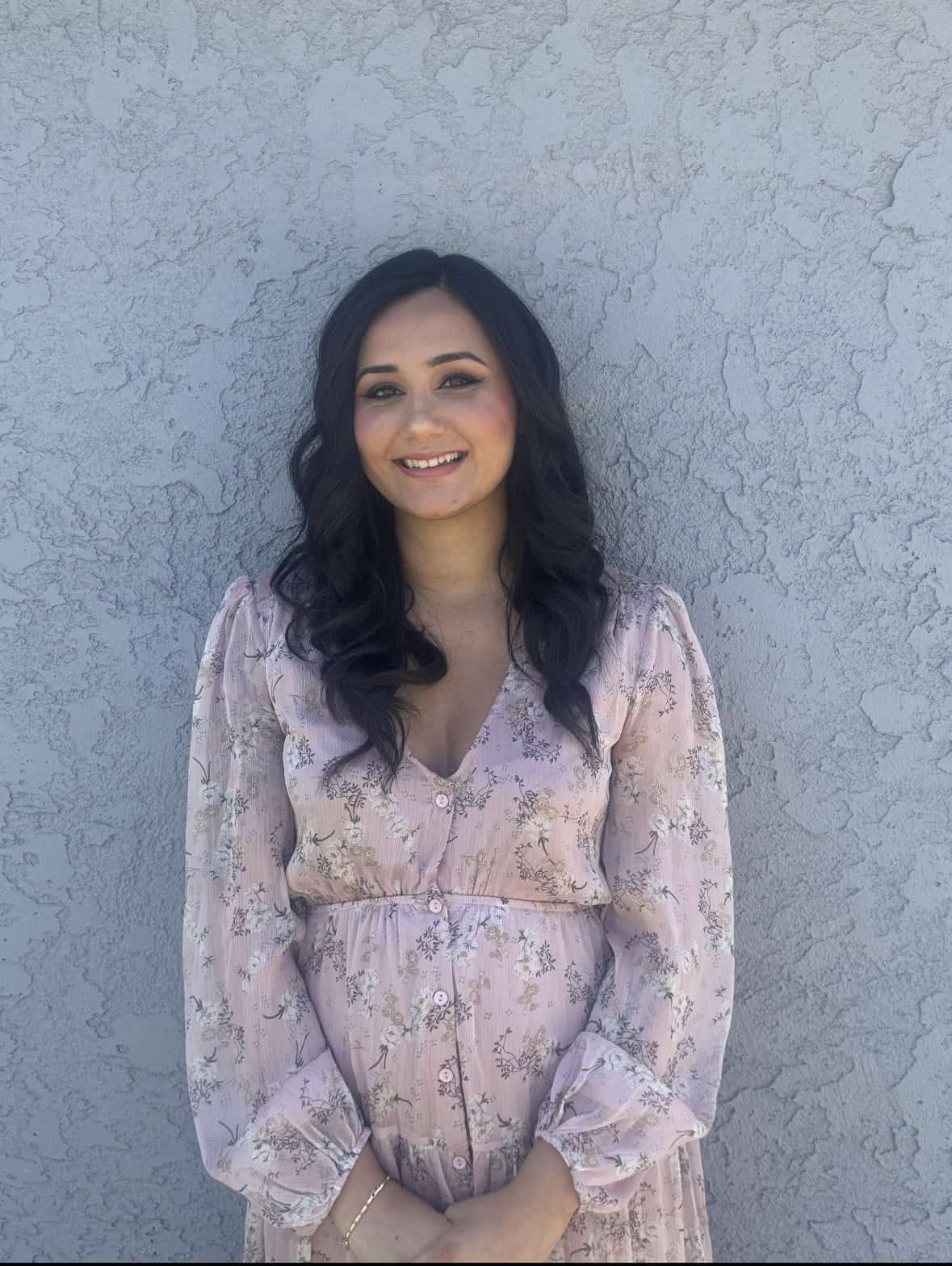
Rachel Handa, Clinical Director
Clinical Director & Therapist

