Key Takeaways
- Wisconsin's prominent beer culture normalizes heavy drinking and masks alcohol addiction
- Alcohol addiction affects diverse Wisconsin populations across all socioeconomic levels
- Wisconsin offers AA groups, counseling, and outpatient treatment for alcohol disorders
- Medication-assisted therapy (naltrexone, acamprosate) combined with therapy improves alcohol recovery
- Intensive California treatment provides specialized alcohol addiction care addressing cultural factors
Wisconsin Beer Culture and Alcohol Normalization
Wisconsin's prominent beer culture—breweries, beer festivals, Packers tailgating—deeply embeds alcohol in social identity. This cultural normalization makes distinguishing social drinking from problematic dependence difficult. Excessive drinking receives cultural acceptance as "Wisconsin tradition" rather than recognition as addiction.
This normalization creates significant barriers to treatment-seeking. Many Wisconsin residents with alcohol addiction don't perceive themselves as "addicted" because heavy drinking seems culturally normal. Families minimize concerning drinking patterns, attributing them to cultural participation rather than medical pathology requiring intervention.
Wisconsin ranks among highest US states for alcohol consumption and alcohol-related problems. Cultural normalization doesn't prevent addiction; it delays treatment-seeking and prolongs suffering.
Recognizing Alcohol Addiction vs. Social Drinking
Alcohol addiction involves loss of control over drinking, continued drinking despite negative consequences, and withdrawal symptoms when not drinking. Social drinking differs fundamentally: it's occasional, non-dependent, without negative consequences.
Warning signs of alcohol addiction include: morning drinking, drinking alone, memory blackouts, relationship problems related to drinking, work/school performance decline, health problems from drinking, driving while intoxicated, and unsuccessful attempts to cut down. If you recognize these patterns, professional assessment is appropriate regardless of how culturally normative drinking seems.
Alcohol withdrawal is medically dangerous. Never abruptly stop heavy drinking without medical supervision. Withdrawal seizures, delirium tremens, and cardiac complications can be fatal. Medical detoxification is essential for heavy drinkers.
Wisconsin Alcohol Treatment Resources
Wisconsin offers comprehensive alcohol treatment pathways. Alcoholics Anonymous meetings occur throughout the state multiple times daily. Community health centers provide assessment and counseling. Hospital systems offer medical detoxification and inpatient rehabilitation. Outpatient programs provide counseling without hospitalization.
However, many Wisconsin residents encounter treatment challenges: limited appointments, long wait times, or programs not addressing specialized needs. Some find local anonymity compromised by community size. These factors drive many to consider specialized out-of-state treatment.
Wisconsin Treatment Options
Wisconsin provides diverse pathways to alcohol addiction recovery.
- Alcoholics Anonymous (AA) meetings available throughout Wisconsin
- SMART Recovery evidence-based alternative to AA
- Community health center assessments and brief intervention
- Hospital-based medical detoxification and inpatient rehabilitation
- Outpatient counseling through licensed addictionists and therapists
- Employee Assistance Programs through employers
- Medication-assisted therapy (naltrexone, acamprosate)
- Telehealth alcohol counseling reducing geographic barriers
Medication-Assisted Therapy for Alcohol Addiction
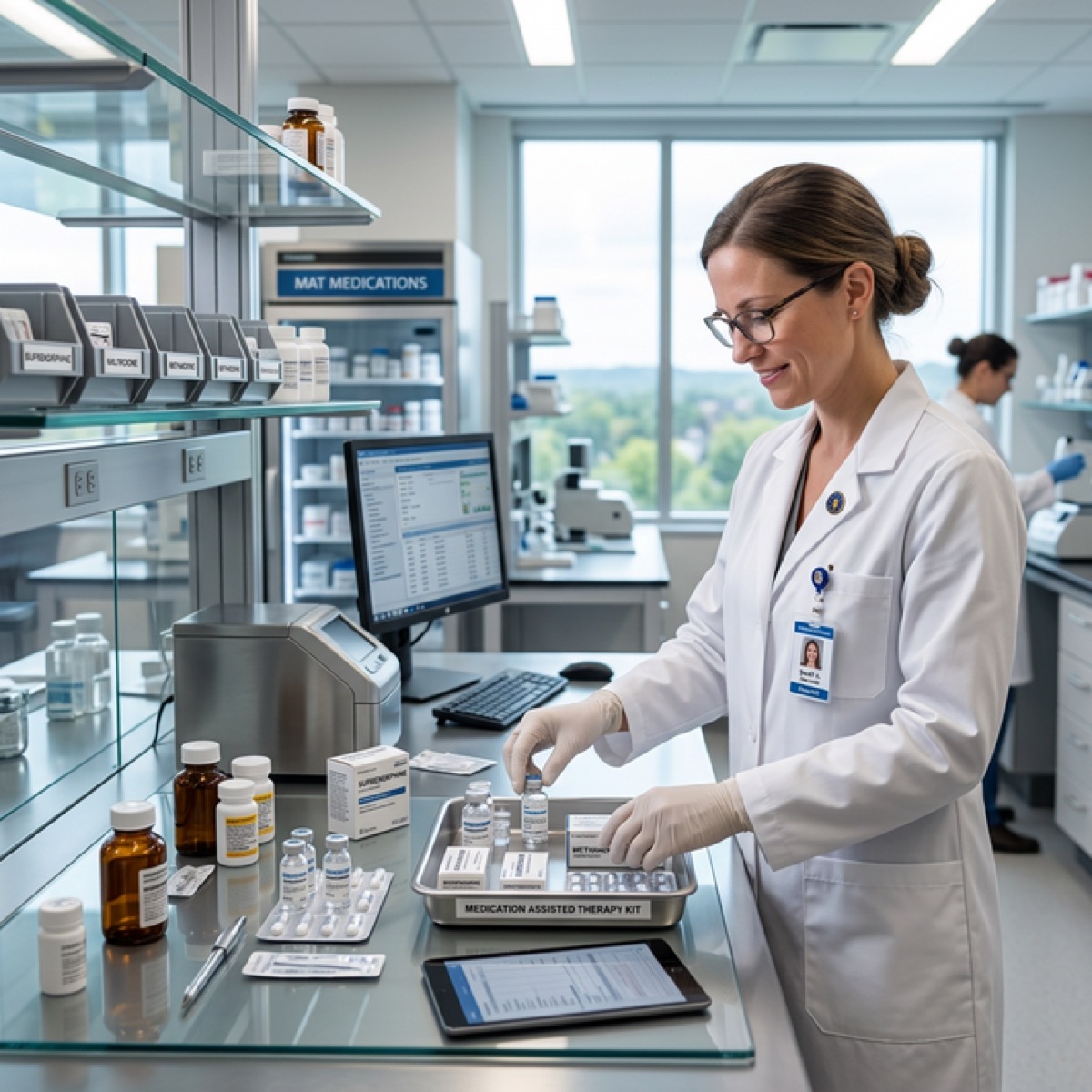
FDA-approved medications reduce alcohol cravings and support abstinence. Naltrexone blocks alcohol's rewarding effects, reducing craving and excessive drinking. Acamprosate restores brain chemistry balance disrupted by chronic alcohol use. Disulfiram (Antabuse) creates aversive reaction to alcohol, motivating abstinence through fear of sickness.
Combining medication with counseling produces superior outcomes to either treatment alone. Many Wisconsin residents find medication-assisted therapy for alcohol enables recovery where willpower alone failed.
Medication for alcohol addiction is underutilized in Wisconsin. Many physicians and counselors emphasize AA without offering medication options. Ask explicitly about naltrexone or acamprosate if pursuing alcohol treatment.
Why Wisconsin Residents Choose California Alcohol Treatment
Wisconsin residents seeking intensive alcohol addiction treatment often travel to California for specialized care. Intensive 30-90 day inpatient programs combine medical detoxification, medication-assisted therapy, and intensive individual and group therapy addressing underlying factors.
Geographic distance from Wisconsin's beer culture and familiar drinking environments removes powerful environmental triggers. California-based treatment provides fresh start enabling genuine recovery unavailable in alcohol-saturated home environments.
- Distance from beer culture and familiar drinking environments
- Intensive medical detoxification ensuring safety
- Specialized alcohol addiction therapy protocols
- Medication-assisted therapy (naltrexone, acamprosate)
- Trauma-informed care addressing underlying factors driving drinking
- Structured transition back to Wisconsin peer support (AA, counseling)
Recovery from Alcohol Addiction is Possible
Recovery from alcohol addiction is absolutely achievable. Thousands of Wisconsin residents have overcome alcohol dependence and built fulfilling, sober lives. Alcohol doesn't control your future—your choices do.
Whether through local Wisconsin resources or California-based intensive care, treatment works. Contact Trust SoCal at (949) 280-8360 for a free consultation about alcohol addiction treatment. Our caring team will discuss options and help you begin recovery today.

Trust SoCal Editorial Team, Clinical Review Board
Editorial & Clinical Review