Key Takeaways
- Tai chi and qigong reduce cortisol levels by 20 to 30 percent and significantly improve heart rate variability, a key indicator of nervous system health.
- The slow, deliberate movements build proprioception and body awareness that many people lose during active addiction.
- These practices are accessible to all fitness levels and do not require equipment, making them ideal for early recovery.
- Regular practice improves sleep quality, reduces chronic pain, and enhances emotional regulation.
- The meditative quality of tai chi and qigong provides mindfulness benefits for people who struggle with sitting meditation.
Understanding Tai Chi and Qigong in a Recovery Context
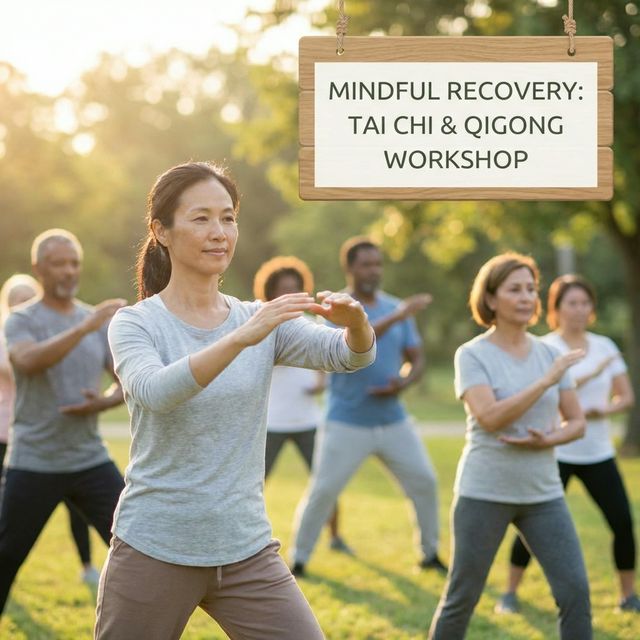
Tai chi and qigong are related mind-body practices rooted in Chinese philosophy and medicine. Tai chi consists of flowing sequences of postures performed slowly and continuously, while qigong involves simpler, often repetitive movements coordinated with breathing and mental focus. Both emphasize relaxation, alignment, and the integration of mind and body.
In addiction recovery, these practices address a fundamental disconnection. Substance abuse numbs physical sensation, distorts body awareness, and creates chronic tension patterns. Tai chi and qigong systematically reverse this disconnection by training attention to subtle physical sensations, breath patterns, and postural alignment.
Trust SoCal in Fountain Valley includes mind-body movement practices in our treatment offerings because the evidence supports their effectiveness. Multiple clinical trials have demonstrated that tai chi and qigong reduce substance cravings, improve psychological well-being, and enhance treatment retention.
Neurological and Physiological Benefits
The slow, intentional movements of tai chi and qigong activate the parasympathetic nervous system while simultaneously engaging motor planning, proprioception, and spatial awareness. This combination of relaxation and cognitive engagement is unique among exercise modalities and produces distinctive therapeutic effects.
Research from the Journal of Clinical Psychology found that eight weeks of tai chi practice produced significant improvements in depression, anxiety, and stress scores among individuals in substance abuse treatment. The improvements were comparable to those achieved through cognitive behavioral therapy.
Stress Hormone Regulation
Chronic substance use dysregulates the hypothalamic-pituitary-adrenal axis, the body's central stress response system. This dysregulation persists well into recovery, contributing to elevated anxiety, irritability, and craving. Tai chi and qigong have been shown to normalize HPA axis function over time, lowering basal cortisol levels and improving the body's ability to respond appropriately to stressors.
Improved stress regulation means fewer craving episodes triggered by routine daily stressors. Clients who practice tai chi regularly report that situations that once felt overwhelming become manageable, not because the situations change but because their physiological response shifts.
Improved Balance and Fall Prevention
Balance is both literal and metaphorical in recovery. Physically, many people in early recovery have compromised balance due to peripheral neuropathy, medication effects, or general deconditioning. Tai chi is one of the most well-studied interventions for improving balance and preventing falls.
Metaphorically, the concept of balance, between work and rest, social engagement and solitude, effort and acceptance, is central to sustainable recovery. Practicing physical balance through tai chi cultivates an embodied understanding of equilibrium that extends into all areas of life.
Qigong for Pain Management in Recovery
Chronic pain is a significant relapse risk factor, particularly for individuals whose addiction began with prescription pain medication. Qigong offers an evidence-based approach to pain management that does not involve medication.
The gentle movements improve circulation, reduce muscle tension, and promote the release of natural endorphins. The meditative component changes the relationship with pain by training the practitioner to observe sensation without reactivity or catastrophizing.
A meta-analysis published in the Journal of Pain Research found that qigong practice reduced chronic pain scores by an average of 30 percent and improved physical functioning significantly. For individuals in recovery who need non-pharmacological pain management, these results are clinically meaningful.
The National Institutes of Health recognizes tai chi and qigong as evidence-based complementary health practices with demonstrated benefits for pain management, stress reduction, balance improvement, and overall well-being.
Getting Started with Tai Chi and Qigong
One of the greatest advantages of tai chi and qigong is their accessibility. The movements are gentle enough for people of any age, fitness level, or physical condition. No special equipment or clothing is required. Practice can happen indoors or outdoors, alone or in a group.
Beginners should start with qigong, which uses simpler, more repetitive movements that are easier to learn. As comfort and confidence grow, tai chi forms can be introduced. Many community centers, parks, and fitness studios in Orange County offer beginner tai chi and qigong classes.
- Start with 10 to 15 minutes of practice daily and build gradually
- Focus on breathing coordination before worrying about form perfection
- Practice at the same time each day to build a sustainable habit
- Outdoor practice in parks or gardens adds nature exposure benefits
- Video tutorials can supplement in-person instruction for home practice
- Join a group class for social connection and guided learning
Tai Chi and Qigong as Moving Meditation
Many people in recovery struggle with sitting meditation. The stillness can feel uncomfortable, thoughts race uncontrollably, and the practice itself can trigger anxiety. Tai chi and qigong provide an alternative entry point to meditative practice through movement.
The continuous flow of movements creates a physical rhythm that anchors attention in the body. The mind has something tangible to focus on, namely the next movement, the alignment of the feet, the coordination of breath, which prevents the wandering and rumination that derail sitting meditation for beginners.
Over time, the meditative depth achieved through movement practice often equals or exceeds what practitioners experience in sitting meditation. Many clients who begin with tai chi eventually find that sitting meditation becomes more accessible because the movement practice has trained their capacity for sustained attention. For more information about integrating mind-body practices into recovery, contact Trust SoCal at (949) 280-8360.
Try practicing tai chi or qigong in the morning before other activities. The calm, centered state it produces sets a positive foundation for the entire day and builds resilience against whatever stressors arise.

Courtney Rolle, CMHC
Clinical Mental Health Counselor