Key Takeaways
- Aquatic therapy provides a full-body workout with minimal joint stress, making it ideal for individuals in early recovery with physical limitations.
- Water immersion activates the parasympathetic nervous system, reducing cortisol and promoting deep relaxation.
- Swimming stimulates natural endorphin production and improves cardiovascular health damaged by substance abuse.
- The rhythmic nature of swimming promotes a meditative state that strengthens mindfulness skills.
- Aquatic environments can reduce chronic pain, a common relapse trigger, without the need for medication.
Why Water-Based Therapy Works for Addiction Recovery
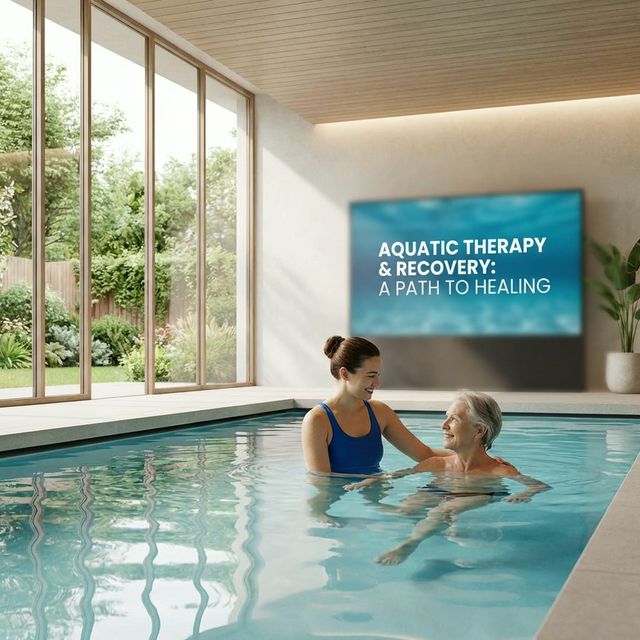
Water has been used as a healing medium for thousands of years, and modern science now validates what ancient cultures intuited. Aquatic therapy combines the physical benefits of exercise with the calming properties of water immersion to create a uniquely therapeutic experience for people recovering from substance use disorders.
At Trust SoCal in Fountain Valley, we recognize that traditional gym-based exercise is not accessible or appealing to every client. Some arrive in treatment with injuries, chronic pain, obesity, or severe deconditioning that makes land-based exercise painful or discouraging. Aquatic therapy removes many of those barriers while delivering comparable or superior therapeutic outcomes.
Research from the International Journal of Aquatic Research and Education demonstrates that water-based exercise programs reduce anxiety scores by 40 percent and depression scores by 35 percent in clinical populations. For individuals navigating the emotional turbulence of early recovery, these numbers represent meaningful relief.
Water buoyancy reduces body weight by up to 90 percent, allowing individuals with joint pain, injuries, or mobility limitations to exercise comfortably and safely during recovery.
The Neurological Benefits of Swimming in Recovery
Swimming engages both hemispheres of the brain through bilateral cross-body movement. This bilateral stimulation is similar to what occurs during EMDR therapy and has been shown to support emotional processing and trauma integration. For individuals whose addiction is rooted in unresolved trauma, swimming offers a gentle, ongoing form of neurological healing.
The rhythmic breathing required during swimming activates the vagus nerve, a key component of the parasympathetic nervous system. Vagal stimulation lowers heart rate, reduces blood pressure, and shifts the body out of the chronic fight-or-flight state that characterizes early recovery. Over time, this helps reset the nervous system toward a calmer baseline.
Dopamine and Endorphin Production
Like all aerobic exercise, swimming stimulates the release of dopamine, serotonin, and endorphins. What makes swimming unique is the added sensory experience of water on the skin, which activates additional neurological pathways. The combination of movement and sensory input creates a more robust neurochemical response than many land-based exercises.
Clients frequently describe a sense of euphoria after swimming sessions that is distinctly different from the runner's high. This natural reward helps fill the neurochemical void left by substance cessation and provides motivation to continue exercising.
Improved Sleep Architecture
Insomnia and disrupted sleep are among the most common complaints in early recovery. Swimming has been shown to improve sleep quality more effectively than many other forms of exercise due to the thermoregulatory effect of water immersion. When the body cools down after exiting warm water, it triggers a natural sleep response.
Better sleep means better emotional regulation, clearer thinking, and reduced cravings. These cascading benefits make aquatic therapy a high-value intervention in comprehensive addiction treatment programs across Orange County.
Types of Aquatic Therapy Used in Recovery Programs
Aquatic therapy encompasses far more than swimming laps. Treatment programs may incorporate several modalities depending on each client's physical condition, preferences, and therapeutic goals.
The versatility of water-based therapy means it can be tailored to virtually any fitness level, from someone who has never swum before to a competitive athlete in recovery.
- Lap swimming for cardiovascular conditioning and meditative focus
- Water aerobics classes for social connection and moderate-intensity exercise
- Ai chi, a water-based tai chi practice combining slow movements with deep breathing
- Aquatic resistance training using water's natural resistance or foam equipment
- Warm-water relaxation sessions for pain management and stress reduction
- Guided floating or sensory reduction experiences for deep relaxation
Aquatic Therapy for Pain Management Without Medication
Chronic pain is one of the most significant risk factors for relapse, particularly among individuals who initially became dependent on prescription opioids. Aquatic therapy offers a powerful alternative for pain management that does not involve medication.
The hydrostatic pressure of water reduces swelling and improves circulation. Warm water relaxes muscles and increases range of motion. The buoyancy effect allows movement that would be painful or impossible on land. Together, these properties make aquatic therapy one of the most effective non-pharmacological pain interventions available.
At Trust SoCal, we work with clients to develop aquatic pain management routines they can continue after completing treatment. Many community pools and recreation centers in the Fountain Valley and greater Orange County area offer affordable access for ongoing practice.
If you are managing chronic pain in recovery, ask your treatment team about incorporating aquatic therapy into your plan. Call Trust SoCal at (949) 280-8360 to learn about our holistic treatment options.
Swimming as a Mindfulness Practice
The repetitive nature of swimming laps creates an ideal environment for mindfulness practice. The consistent stroke pattern, rhythmic breathing, and sensory immersion naturally focus attention on the present moment. Many swimmers describe entering a flow state that quiets mental chatter and reduces rumination.
For individuals in recovery who struggle with sitting meditation, swimming offers an active alternative that delivers similar mindfulness benefits. The water blocks out many external distractions, creating a cocoon-like environment where introspection happens naturally.
Therapists at Trust SoCal sometimes pair aquatic sessions with guided mindfulness instructions, teaching clients to notice the sensation of water on their skin, the rhythm of their breath, and the movement of their muscles. These anchoring techniques translate to land-based mindfulness practice as well.
Getting Started with Aquatic Therapy in Recovery
Beginning an aquatic therapy practice does not require prior swimming ability. Many therapeutic pool exercises can be performed in waist-deep water. For clients who are uncomfortable in water, gradual exposure and supportive instruction build confidence quickly.
Medical clearance is essential before starting any aquatic program, particularly for individuals with cardiovascular conditions, open wounds, or compromised immune function. The clinical team evaluates each client's readiness and designs an appropriate aquatic plan.
Southern California's climate makes year-round aquatic therapy feasible, whether in heated indoor pools or outdoor facilities. This accessibility is one reason why water-based programming is increasingly popular in Orange County addiction treatment centers.
Trust SoCal integrates aquatic therapy and other holistic modalities into individualized treatment plans. Contact us at (949) 280-8360 to discuss how water-based healing can support your recovery.

Rachel Handa, Clinical Director
Clinical Director & Therapist