Key Takeaways
- Rural Oklahoma counties often lack specialized addiction treatment facilities, requiring traveling to urban centers or accessing telemedicine services
- Telehealth medication-assisted treatment (MAT), counseling, and psychiatric services increasingly bridge rural treatment gaps
- Traveling to OKC or Tulsa for intensive treatment, then returning for local aftercare, provides effective treatment pathway
- Rural peer support networks including Recovery Cafe and traveling NA/AA meetings provide essential community connection
- California-based intensive programs offer viable option when rural and regional Oklahoma services lack capacity or specialization
Geographic Barriers to Treatment in Rural Oklahoma
Rural Oklahoma counties—particularly the Panhandle (Texas, Beaver, Cimarron counties), northwest region (Woodward, Grant counties), and southwest region (Custer, Beckham counties)—often lack professional addiction treatment facilities. Residents in these areas must travel 50-100+ miles to access inpatient detoxification or residential treatment, requiring time off work, transportation arrangements, and financial resources that constrain access. Mental health provider shortages compound challenges: rural areas designated Health Professional Shortage Areas (HPSA) by federal standards have insufficient psychiatric, counseling, and medical professionals to meet treatment demand.
The methamphetamine epidemic hits rural Oklahoma particularly hard, as small towns and agricultural communities lack established treatment infrastructure. Rural residents may be unaware of available services, may lack insurance or ability to pay, and may encounter stigma in small communities where addiction becomes public knowledge. These barriers combine to delay treatment initiation, allowing substance use to progress to more severe stages before intervention. Understanding available treatment pathways—including telemedicine, traveling to urban centers, and potential California-based options—expands rural residents' treatment access.
Geographic isolation creates treatment access delays that can mean the difference between recovery and overdose death. Rural residents should proactively explore treatment options rather than waiting for local availability.
Telemedicine and Telehealth: Bridging Rural Treatment Gaps
Telemedicine has revolutionized rural addiction treatment access, allowing individuals to access counseling, psychiatric services, and medication-assisted treatment without leaving home communities. Addiction counselors can provide individual and group sessions via secure video conferencing. Physicians can prescribe buprenorphine for office-based opioid addiction treatment via telemedicine in rural settings (subject to regulatory requirements). Psychiatric evaluation and medication management increasingly available through remote appointments. Telehealth removes geographic barriers, allowing rural individuals to access treatment from specialists located in urban centers or other states.
Effective telemedicine treatment requires technological access: reliable internet, private space for video sessions, and devices supporting confidential communication. Many rural libraries and community centers provide internet access; some treatment programs assist clients in accessing technology. Telemedicine works best for ongoing outpatient care (counseling, medication management, peer support groups) rather than acute detoxification or medical crises requiring physical examination and monitoring. Rural residents might utilize telemedicine for maintenance treatment while traveling to urban centers for initial detoxification, creating hybrid treatment pathways.
Accessing Telemedicine Treatment
Rural Oklahomans can access telemedicine treatment through multiple platforms.
- Contact Oklahoma treatment facilities asking specifically about telemedicine options
- Seek specialists offering remote office-based buprenorphine prescribing
- State and federal regulations increasingly permit telemedicine counseling and psychiatric services
- Many peer support organizations offer online meetings (AA, NA, SMART Recovery)
- Insurance usually covers telemedicine at same rates as in-person, reducing financial barriers
- Private telemedicine addiction platforms (BetterHelp, Doctor on Demand) offer rural access, though quality varies
Traveling to Urban Treatment Centers: OKC and Tulsa Options
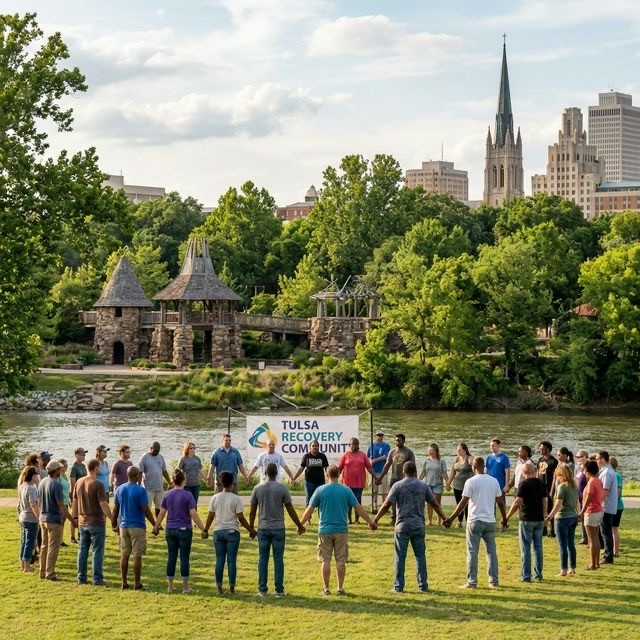
Rural Oklahoma residents often benefit from traveling to Oklahoma City or Tulsa for intensive inpatient or intensive outpatient treatment, then returning home for maintenance and peer support. This pathway works well for individuals requiring detoxification, residential care, or initial intensive stabilization. Urban treatment centers offer specialized staff, comprehensive services (psychiatric, medical, therapy, peer support), and capacity that rural communities lack. A typical pathway: rural resident travels to OKC or Tulsa for 7-10 days detoxification, then 14-21 days residential treatment, then returns home to establish outpatient care and peer support.
Logistical planning supports success: coordinate transportation, arrange time off work if employed, ensure family awareness of treatment timeline, and pre-arrange aftercare in rural community before leaving. Many rural areas have SoonerCare-participating transportation services assisting individuals traveling to treatment. OKC and Tulsa treatment programs often work with rural patients, understanding travel constraints and discharge planning support. Returning to rural community with established peer connections (identified via phone before treatment) and scheduled aftercare with local providers sustains early recovery during vulnerable reintegration period.
If traveling to OKC or Tulsa for treatment, contact peer support organizations (NA, AA) in your home town before leaving treatment. Pre-establishing meeting attendance plans improves reintegration success.
Rural Peer Support Networks and Recovery Communities
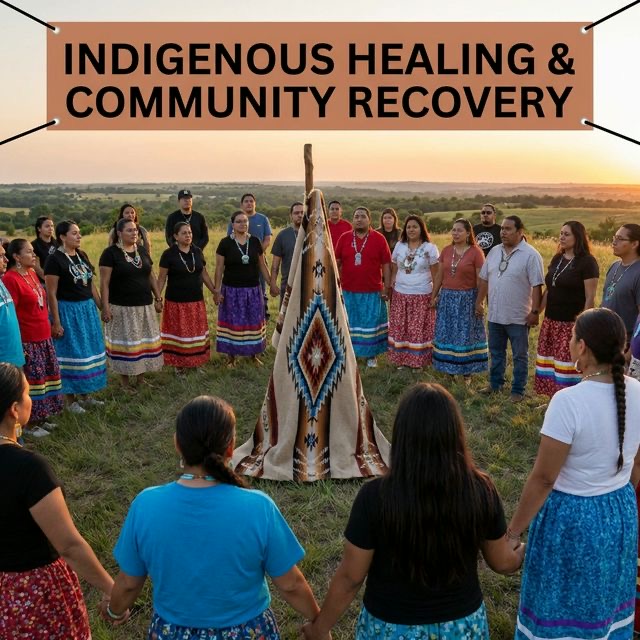
Rural Oklahoma communities, despite limited professional treatment facilities, often maintain robust peer-support networks. Narcotics Anonymous and Alcoholics Anonymous meetings exist in surprising numbers in small Oklahoma towns, frequently meeting in churches, recovery centers, or community facilities. These meetings provide free, accessible support from people with lived recovery experience. Sponsorship relationships provide individual mentorship and accountability. Recovery Cafe and other drop-in community centers, while concentrated in urban areas, increasingly establish satellite locations in rural regions.
Rural recovery communities often have distinctive characteristics: smaller group sizes mean greater familiarity and accountability, but also require careful confidentiality navigation (breaking anonymity could expose someone publicly). Multi-generational recovery families (long-time members mentoring newcomers) provide institutional wisdom and stability. Rural peer leaders often develop creative approaches supporting recovery in resource-limited settings: traveling speakers from larger communities, phone/internet fellowship, and connections to state-level organizations providing training and technical assistance.
In our small town, everyone knows everyone. That makes recovery harder—no anonymity—but it also means deeper accountability and family-like support.
— Rural Oklahoma Recovery Member
Occupational Considerations in Rural Treatment Access
Rural work contexts create distinctive treatment access barriers. Agricultural workers with seasons of intense labor may struggle finding treatment timing that doesn't devastate family income. Construction and transportation workers similarly face employment disruption from treatment-seeking. Rural employers, often small businesses lacking formal human resources structures, may be unaware of addiction treatment options or legal obligations to accommodate treatment. Occupational addiction (farm equipment operation under impairment, driving while intoxicated) creates legal consequences pressuring treatment, but also shame and economic fear delaying care-seeking.
Some rural occupations involve safety-sensitive positions (commercial driving, equipment operation) where substance use has particular consequences and treatment may involve regulatory reporting. Discussing occupational context during treatment assessment allows clinicians to understand barriers and consequences. Some rural employers increasingly recognize addiction as health issue rather than moral failing, offering Employee Assistance Programs (EAPs) providing treatment referrals and partial financial assistance. Connecting with occupational peers in recovery (farmers, truckers, construction workers maintaining long-term recovery) provides role models and practical strategies for managing occupational demands while maintaining recovery.
When to Consider California-Based Intensive Treatment
Rural Oklahoma residents who have attempted regional treatment unsuccessfully, or who face particular complex presentations (severe dual-diagnosis, occupational consequences, multiple failed treatment attempts), may benefit from intensive California-based programs. Advantages include: comprehensive specialized treatment not available in rural Oklahoma, intensive 90-day programs allowing deep neurobiological and psychological recovery work, immersive peer communities, and environmental change removing familiar triggers. Geographic distance from rural home environment provides psychological reset valuable for some individuals.
Practical considerations: insurance coverage for out-of-state treatment (some private insurance and specific employment-based plans cover California services; SoonerCare does not), transportation to California, and discharge planning ensuring return to structured aftercare in Oklahoma. Many rural individuals completing intensive California treatment benefit from extended aftercare support including telemedicine follow-up, peer-support connection, and occasional return trips if circumstances permit. Contact Trust SoCal (949-280-8360) to discuss whether intensive California treatment addresses your specific rural Oklahoma context and recovery needs.
Rural Oklahomans deserve treatment quality comparable to urban residents. If local/regional resources prove insufficient, specialized out-of-state intensive programs represent viable alternatives worth exploring.

Trust SoCal Editorial Team, Clinical Review Board
Editorial & Clinical Review