Key Takeaways
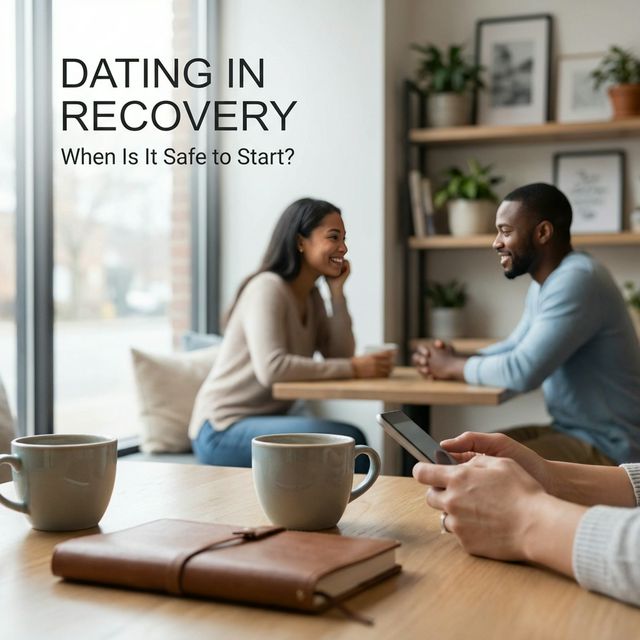
- Most addiction professionals recommend waiting at least one year before pursuing new romantic relationships in recovery.
- Romantic relationships can trigger powerful emotions that overwhelm coping skills in early sobriety.
- Recognizing codependent patterns and attachment issues before dating reduces the risk of repeating unhealthy relationship dynamics.
- Healthy dating in recovery requires strong self-awareness, honest communication, and a solid support network.
The One-Year Recommendation and Why It Exists
If you have spent any time in recovery circles, you have likely heard the advice to avoid new romantic relationships during your first year of sobriety. This recommendation is not arbitrary; it is based on clinical observation and research demonstrating that new romantic relationships in early recovery significantly increase relapse risk. A study published in the Journal of Substance Abuse Treatment found that individuals who entered new romantic relationships within the first year of recovery had higher relapse rates than those who waited.
The reasoning is straightforward. Early recovery is a period of intense emotional vulnerability, neurological recalibration, and identity reconstruction. Adding the powerful emotions of a new romantic relationship, including infatuation, anxiety, jealousy, and sexual intensity, to this already turbulent period can overwhelm the coping skills you are still developing. A relationship that goes well can create complacency about recovery work. A relationship that goes badly can trigger a devastating relapse.
At Trust SoCal, our clinical team discusses relationship timing during treatment and helps clients understand why patience in this area protects their sobriety. We recognize that this recommendation can feel restrictive, especially for people who define themselves through relationships. Learning to be comfortable and complete as an individual is one of the most important developmental tasks of early recovery.
The one-year recommendation is a guideline, not a rule. However, if you choose to date earlier, do so with full awareness of the risks, a strong support network, and open communication with your therapist and sponsor.
Signs You May Be Ready to Date
Readiness for dating in recovery is less about a specific timeline and more about emotional and psychological preparedness. While the one-year guideline provides a useful benchmark, some people are ready at fourteen months while others need two years. The following indicators suggest that you may be in a healthy position to pursue a romantic relationship.
You have a stable foundation in your recovery, including a consistent routine, a strong support network, and well-developed coping skills. You feel comfortable spending time alone and do not need a relationship to feel complete or worthy. You have done meaningful work in therapy addressing the patterns, traumas, and attachment styles that contributed to your addiction. You can manage strong emotions without turning to substances or other unhealthy coping behaviors. You are honest with yourself about your motivations for wanting to date.
- Your recovery routine is stable and non-negotiable, not something you would alter for a date
- You have processed major resentments and made key amends
- You can identify your attachment style and understand how it affects your relationships
- You have a clear sense of your values, boundaries, and non-negotiables in a partner
- Your sponsor or therapist supports your decision to begin dating
- You are seeking a partner, not a savior or a project
Navigating Common Challenges
Dating in recovery comes with unique challenges that people outside recovery may not understand. Being prepared for these challenges and having strategies to address them reduces the risk of being caught off guard by situations that threaten your sobriety.
The Disclosure Question
Deciding when and how to tell a potential partner about your recovery is one of the most stressful aspects of sober dating. There is no universal right time, but most people in recovery find that disclosing relatively early, typically within the first few dates, is preferable to waiting until emotional investment makes the conversation feel higher-stakes.
A straightforward, confident approach works best. You might say something like: I want you to know that I am in recovery from addiction. I do not drink or use drugs, and my recovery is a priority in my life. This kind of direct disclosure filters out people who cannot support your sobriety and attracts those who respect your honesty and commitment.
Dating Environments and Alcohol
Many traditional dating activities revolve around alcohol, from dinner dates with wine to bar meetups. Planning sober-friendly dates requires creativity but opens the door to more interesting and genuine experiences. Suggest activities like hiking, visiting a museum, trying a cooking class, having coffee, attending a concert, or exploring a local farmers market. These activities create opportunities for real conversation and shared experience without the social lubricant of alcohol.
If your date suggests a bar or happy hour, it is perfectly acceptable to suggest an alternative. Your willingness to propose a different plan signals confidence in your sobriety and sets a healthy tone for the relationship from the start.
Avoiding Codependency
Codependent relationship patterns are extremely common among people with addiction histories. Codependency involves an excessive emotional reliance on a partner, a tendency to prioritize their needs over your own, and a pattern of deriving your self-worth from the relationship rather than from within. These patterns can undermine recovery by creating emotional instability and distracting you from your own healing.
Working with a therapist who specializes in both addiction and relationship dynamics can help you recognize and interrupt codependent patterns before they take root in a new relationship. Trust SoCal clinical programming addresses codependency and healthy relationship skills as part of our comprehensive treatment approach.
Dating Someone Else in Recovery
Dating within the recovery community is common and comes with both advantages and risks. The advantages include a shared understanding of recovery, mutual empathy, and a built-in sober social life. The risks include the possibility that if one partner relapses, the other may be pulled along, and the potential for the relationship to become insular, replacing broader recovery community engagement.
If you do date someone in recovery, both partners should maintain their own independent recovery programs, including separate sponsors, meetings, and therapy. A healthy recovery relationship supports each person individual growth rather than creating mutual dependency. If the relationship ends, both individuals need to be able to maintain their sobriety independently.
The recovery community sometimes frowns on intra-program dating, particularly between people who met at the same treatment center or in the same home group. These concerns are worth considering, though they are not absolute rules. Discuss the dynamics with your sponsor and therapist to get an objective perspective on the specific relationship.
When a Relationship Threatens Your Recovery
No relationship is worth your sobriety. This statement can be difficult to internalize, especially when you are experiencing powerful feelings of love or attachment. But the reality is stark: without sobriety, you cannot sustain a healthy relationship or anything else in your life. If a romantic relationship begins to undermine your recovery, whether through increased stress, neglected recovery activities, exposure to substances, or emotional dysregulation, it is time to reassess.
Warning signs that a relationship is threatening your recovery include skipping meetings or therapy to spend time with your partner, isolating from your support network, feeling unable to be honest about your struggles, increasing secrecy about your behavior, and using the relationship to avoid processing difficult emotions. If you notice these patterns, talk to your therapist and sponsor immediately.
Trust SoCal is here to support you through the challenges of navigating relationships in recovery. Our clinical team in Orange County understands the complex intersection of addiction, attachment, and romantic relationships. Reach out at (949) 280-8360 for guidance, whether you are in active treatment or navigating these questions in aftercare.
A helpful question to ask yourself: Is this relationship making my recovery stronger, or am I sacrificing recovery activities to maintain this relationship? The answer reveals whether the relationship is healthy.
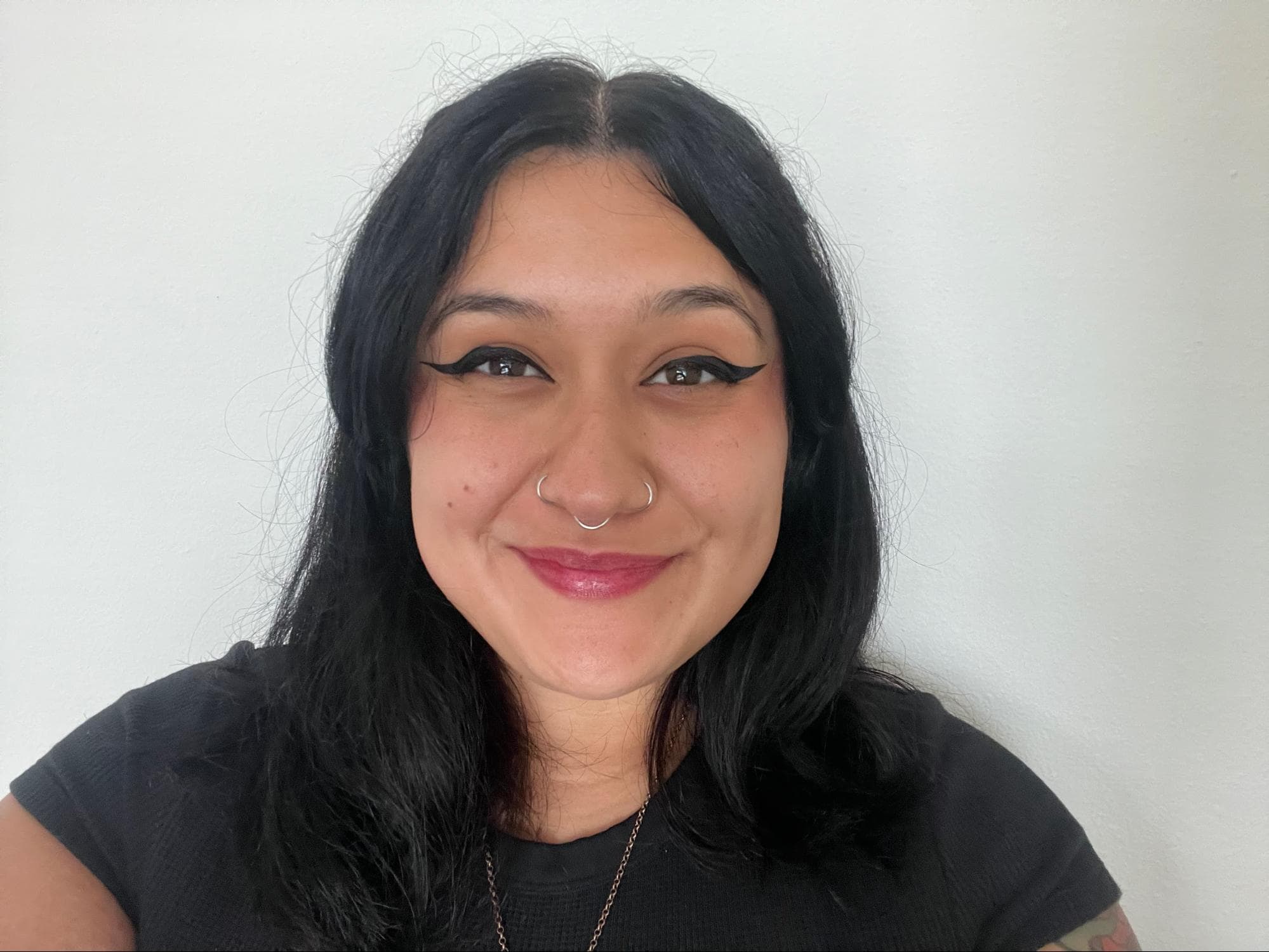
Madeline Villarreal, Counselor
Counselor