Key Takeaways
- WSU campus provides student-centered treatment and peer support
- Rural location creates treatment access barriers requiring creative solutions
- College environment drives young adult substance use requiring specialized intervention
- Peer support and outdoor recreation support recovery lifestyle
- Residential treatment bridges gap when local care insufficient
Addiction Treatment in Pullman, Washington
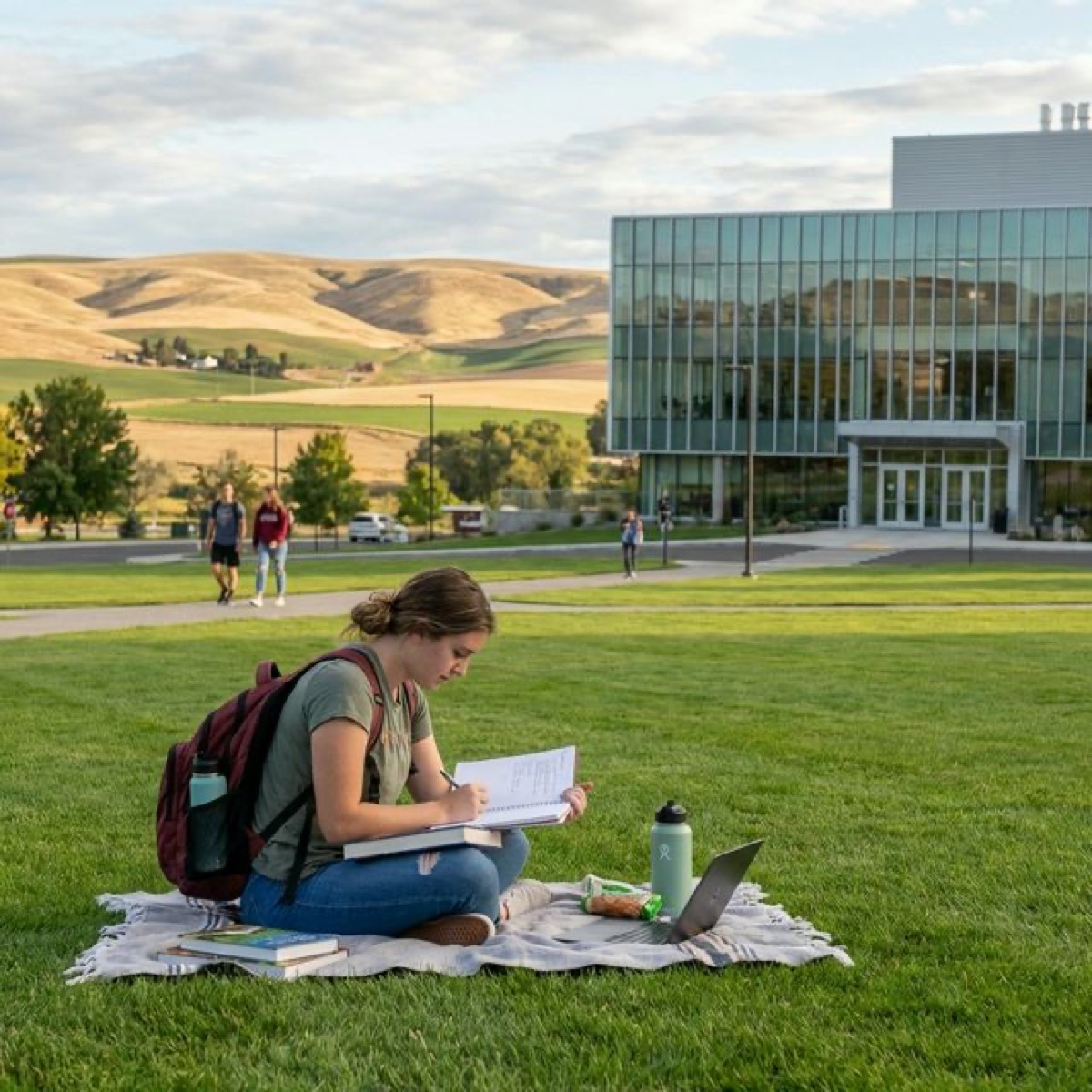
Pullman, home to Washington State University with nearly 31,000 students, is college town with population over 35,000. WSU provides student health services including substance abuse screening and treatment referrals. However, rural location creates limited specialized treatment access beyond campus services.
College environment creates elevated substance use risk among young adults. Rural access barriers complicate treatment for both students and community members. Creative treatment approaches combine campus resources, telehealth, and regional coordination. Trust SoCal serves Pullman residents needing specialized intensive residential care.
Contact (949) 280-8360 to explore Pullman treatment options or discuss specialized residential care.
Pullman Treatment Services
Campus and community services serve WSU students and Pullman residents.
- WSU Student Health Services
- Whitman County health services
- Telehealth providers
- Regional hospital referrals
WSU Campus Resources and College Support
Washington State University provides student health services addressing substance abuse screening, brief intervention, and referral to treatment. Campus counseling addresses mental health and addiction. These services understand college culture and young adult development.
WSU works with community providers to serve students needing comprehensive care. Early intervention prevents escalation and supports academic success. College-focused treatment addresses peer influence, academic stress, and developmental factors.
WSU students struggling with substance use should contact Student Health Services early. Early intervention improves academic and personal outcomes.
Campus Resources
WSU provides student-centered services.
- Student health screening and assessment
- Campus counseling services
- Treatment referral and coordination
- Academic support
- Peer support groups
Rural Treatment Access Barriers and Solutions
Pullman's rural location creates treatment access barriers including geographic distance to specialists and limited local treatment options. Telehealth technology increasingly addresses these barriers by enabling remote counseling and psychiatry.
Effective rural treatment combines telehealth with campus resources and local peer support. Hybrid approach provides comprehensive care despite geographic limitations. Residential treatment provides alternative for severe cases.
Pullman residents can access specialized treatment through telehealth supplemented by campus or community services.
Access Solutions
Creative approaches address rural access barriers.
- Telehealth counseling and psychiatry
- Campus health coordination
- Peer support group participation
- Regional specialist consultation
- Hybrid treatment planning
Young Adult Development and College-Focused Treatment
College represents critical developmental period for identity formation, independence, and peer relationship development. Substance use during college often represents adaptation to developmental challenges. Effective college treatment addresses young adult developmental needs.
Young adult-focused programming recognizes that college-age recovery differs from adult recovery. Treatment addresses peer relationships, academic planning, and social development.
WSU treatment should address college developmental factors and young adult needs.
Developmental Support
Treatment addresses young adult development.
- Peer relationship development
- Identity formation
- Academic planning and success
- Independence and self-regulation
- Social skills and communication
Peer Support and Community Recovery
Pullman has peer support communities including AA and NA meetings. Small group size creates intimate community. Free ongoing support provides essential connection. Campus recovery communities connect sober students.
Service and community contribution strengthen recovery. Leadership in peer groups deepens commitment.
Pullman peer support communities welcome newcomers. Campus recovery groups provide sober social connection.
Community Networks
Peer communities provide mutual support.
- AA and NA meetings
- Campus recovery communities
- Peer recovery coaching
- Faith-based groups
- Service opportunities

Trust SoCal Editorial Team, Clinical Review Board
Editorial & Clinical Review