Key Takeaways
- Fentanyl has become the primary driver of opioid overdose deaths in Riverside County, surpassing heroin and prescription opioids.
- Medication-assisted treatment with buprenorphine, methadone, or naltrexone is the most effective approach for opioid use disorders.
- Naloxone (Narcan) is available without a prescription at pharmacies throughout Riverside County and can reverse an opioid overdose.
- Riverside County Behavioral Health provides access to opioid treatment programs through the Drug Medi-Cal system.
- Trust SoCal in Fountain Valley offers specialized opioid addiction treatment including medical detox and MAT.
The Scope of the Opioid Crisis in Riverside County
Riverside County has not been spared from the national opioid epidemic that has claimed hundreds of thousands of American lives over the past two decades. The crisis in the county has evolved through the same phases seen nationally, beginning with overprescription of pain medications in the early 2000s, transitioning to heroin use as prescription sources tightened, and now being dominated by illicitly manufactured fentanyl that has infiltrated the drug supply at every level.
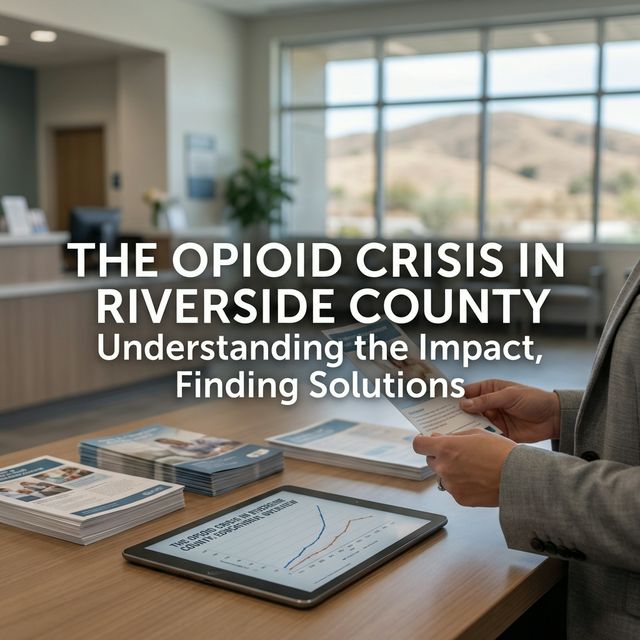
According to data from the Riverside County Coroner's Office and the California Overdose Surveillance Dashboard, opioid-related overdose deaths in the county have increased dramatically in recent years. Fentanyl, a synthetic opioid approximately 50 to 100 times more potent than morphine, has been detected in an increasing proportion of overdose fatalities. The drug is now found not only in counterfeit prescription pills but also mixed into methamphetamine, cocaine, and other substances, putting a wider population at risk.
The human toll extends far beyond overdose statistics. For every fatal overdose, there are many more non-fatal overdoses that result in hospitalizations, emergency department visits, and long-term health consequences. Families are torn apart, children lose parents, and communities struggle with the cascading effects of addiction on employment, housing, public safety, and healthcare systems.
Fentanyl is now present in counterfeit pills designed to look like prescription medications including oxycodone, Xanax, and Adderall. Any pill not dispensed by a licensed pharmacy carries the risk of containing a lethal dose of fentanyl.
Understanding Opioid Addiction
Opioid addiction, clinically known as opioid use disorder, is a chronic brain condition characterized by compulsive opioid use despite harmful consequences. Prolonged opioid use alters brain chemistry, particularly the reward and motivation circuits, creating a powerful drive to continue using that overrides rational decision-making. This neurobiological reality is why willpower alone is rarely sufficient for sustained recovery from opioid addiction.
The progression from prescription opioid use to addiction and potentially to illicit opioid use follows a well-documented pathway. An individual prescribed opioids for pain may develop tolerance, requiring higher doses to achieve the same effect. As tolerance builds and prescriptions become harder to obtain, some individuals turn to cheaper and more accessible alternatives like heroin or illicit fentanyl. This transition dramatically increases the risk of overdose death.
Understanding opioid addiction as a medical condition rather than a moral failing is essential for reducing stigma and encouraging individuals to seek treatment. Just as diabetes or hypertension requires ongoing medical management, opioid use disorder responds best to sustained treatment approaches that include medication, counseling, and long-term support.
Treatment Options for Opioid Addiction in Riverside County
The most effective treatment for opioid use disorder combines medication-assisted treatment with behavioral counseling and psychosocial support. This integrated approach addresses both the biological and psychological dimensions of addiction, producing significantly better outcomes than either medication or counseling alone.
Medication-Assisted Treatment (MAT)
Three FDA-approved medications are used in the treatment of opioid use disorder: buprenorphine (Suboxone), methadone, and naltrexone (Vivitrol). Buprenorphine is a partial opioid agonist that reduces cravings and withdrawal symptoms without producing the euphoria associated with full agonist opioids. It can be prescribed by certified physicians in office-based settings, making it widely accessible. Methadone, a full opioid agonist, is dispensed through specialized narcotic treatment programs and is particularly effective for individuals with severe, long-standing opioid dependence.
Naltrexone is an opioid antagonist that blocks the effects of opioids entirely. Available as a monthly injection (Vivitrol), it is most appropriate for individuals who have completed detox and are motivated to maintain abstinence from opioids. Each medication has advantages and considerations, and the choice should be made collaboratively between the individual and their treatment provider based on clinical needs and personal preferences.
- Buprenorphine reduces cravings and withdrawal without producing euphoria
- Methadone is dispensed daily through licensed narcotic treatment programs
- Naltrexone blocks opioid effects and is available as a monthly injection
- All three medications are evidence-based and reduce overdose mortality
- MAT should be combined with counseling for optimal outcomes
Behavioral Counseling and Therapy
Behavioral therapies used in opioid addiction treatment include cognitive behavioral therapy, contingency management, motivational interviewing, and group counseling. These approaches help individuals identify and change the thoughts, beliefs, and behaviors that contribute to substance use while building coping skills for managing triggers, stress, and cravings in daily life.
Family therapy is also an important component of opioid addiction treatment, helping to repair relationships damaged by addiction and creating a supportive home environment that reinforces recovery. Many treatment programs, including Trust SoCal in Fountain Valley, incorporate family programming as a standard part of their opioid treatment protocols.
Naloxone Access in Riverside County
Naloxone (brand name Narcan) is a life-saving medication that rapidly reverses the effects of an opioid overdose. California law allows pharmacies to dispense naloxone without a prescription, making it available to anyone who may be in a position to respond to an overdose. The nasal spray formulation is easy to administer and requires no medical training.
Riverside County distributes free naloxone through its Department of Behavioral Health, local community organizations, and harm reduction programs. Many fire departments and law enforcement agencies in the county also carry naloxone and have been trained in its administration. The widespread availability of naloxone has saved numerous lives in the county, though advocates argue that distribution needs to be expanded further to reach all at-risk populations.
If you or someone you know uses opioids, carrying naloxone is a critical harm reduction measure. Even individuals in treatment or recovery should have naloxone available, as relapse is a common part of the recovery process and tolerance drops rapidly during periods of abstinence, dramatically increasing the risk of overdose if use resumes.
Naloxone nasal spray (Narcan) is available without a prescription at most pharmacies in Riverside County. Many insurance plans and Medi-Cal cover the cost. Free naloxone may also be available through county health programs.
Prevention and Community Response
Riverside County has implemented several prevention initiatives to address the opioid crisis at the community level. Prescription drug take-back events, held multiple times per year at locations throughout the county, provide safe disposal options for unused medications. Safe prescribing guidelines for healthcare providers aim to reduce the number of new opioid prescriptions while ensuring adequate pain management for patients with legitimate medical needs.
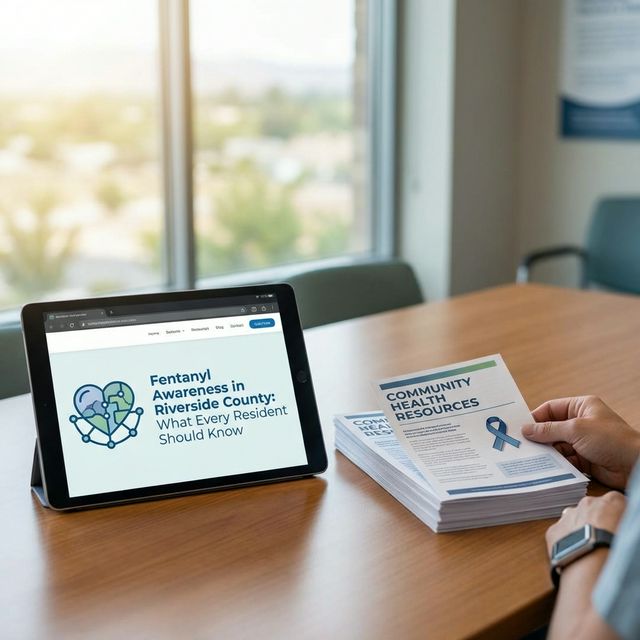
Community education campaigns focused on fentanyl awareness have become increasingly important as the synthetic opioid infiltrates the illicit drug supply. These campaigns target both youth populations and adult users, emphasizing that pills purchased outside of a pharmacy may contain lethal doses of fentanyl and that overdose can occur with a single exposure.
Schools in Riverside County have adopted substance abuse prevention curricula that educate students about the risks of opioid use and other substances. These programs are most effective when they combine factual education with skills-based training in decision-making, peer pressure resistance, and stress management.
Getting Help for Opioid Addiction
If you or someone you love is struggling with opioid addiction, effective treatment is available and recovery is possible. The first step is reaching out to a treatment provider who can conduct a clinical assessment and recommend an appropriate level of care. For many individuals, this begins with medical detox followed by residential or outpatient treatment that includes medication-assisted treatment.
Trust SoCal in Fountain Valley provides comprehensive opioid addiction treatment in a JCAHO-accredited setting. Their medical team has extensive experience managing opioid withdrawal and initiating medication-assisted treatment, and their clinical program addresses the psychological and social factors that contribute to ongoing substance use. Riverside County residents can reach Trust SoCal's admissions team at (949) 280-8360 for a confidential assessment.
Addiction thrives in isolation and secrecy. Breaking the silence, asking for help, and connecting with treatment professionals are acts of courage that can save your life or the life of someone you love. The opioid crisis in Riverside County is a public health emergency, but it is one that can be addressed through accessible, evidence-based treatment and compassionate community support.

Rachel Handa, Clinical Director
Clinical Director & Therapist