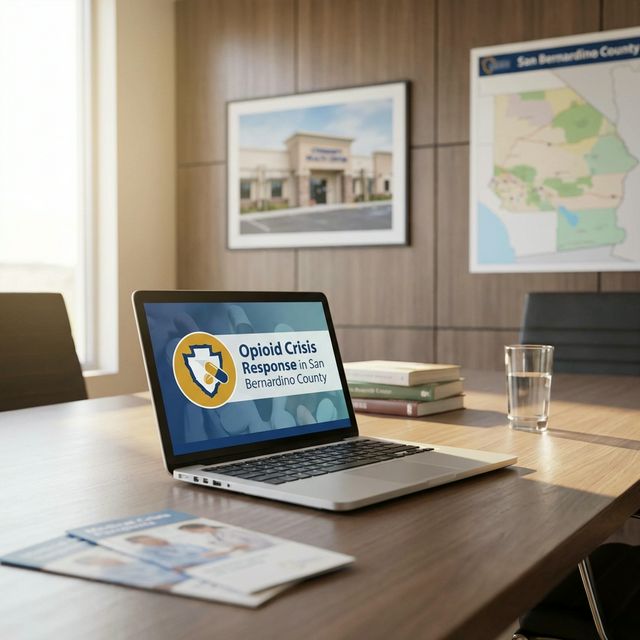
Key Takeaways
- Fentanyl has become the leading cause of overdose death in San Bernardino County, surpassing both heroin and prescription opioids.
- Overdose deaths in the county have more than doubled since 2019, reflecting a national trend intensified by illicit fentanyl.
- Medication-assisted treatment with buprenorphine, methadone, or naltrexone remains the most effective approach for opioid use disorder.
- Naloxone is available without a prescription at many pharmacies in San Bernardino County and can reverse opioid overdoses.
- Comprehensive treatment programs like Trust SoCal provide integrated care that addresses the full scope of opioid addiction.
The Scope of the Opioid Crisis in San Bernardino County
San Bernardino County has experienced a devastating surge in opioid-related overdose deaths, driven primarily by the proliferation of illicitly manufactured fentanyl. The county reported over 900 drug overdose deaths in 2023, more than double the figure from 2019. Fentanyl, which is 50 to 100 times more potent than morphine, has been found in counterfeit pills, heroin, methamphetamine, and even cocaine, making every instance of illicit drug use potentially lethal.
The crisis affects every demographic and geographic area within the county. Urban centers like San Bernardino and Fontana, suburban communities like Rancho Cucamonga and Upland, and rural areas in the High Desert have all experienced sharp increases in opioid-related emergency department visits, hospitalizations, and deaths.
The human cost extends far beyond the statistics. Each overdose death leaves behind families, friends, and communities struggling with grief, trauma, and the lingering stigma that continues to surround addiction. Understanding the crisis as a public health emergency rather than a moral failing is essential for mobilizing effective responses.
Illicit fentanyl is being pressed into counterfeit pills that resemble legitimate prescription medications like oxycodone, Xanax, and Adderall. A single pill can contain a lethal dose. Never take a pill that was not dispensed by a licensed pharmacy.
How the Opioid Epidemic Evolved in the Inland Empire
The opioid crisis in San Bernardino County mirrors the three-wave pattern seen nationally. The first wave, beginning in the late 1990s, was driven by widespread prescribing of opioid pain medications. Pharmaceutical marketing campaigns minimized addiction risks, leading physicians to prescribe opioids at unprecedented rates for chronic pain conditions.
The second wave emerged around 2010 as individuals who had developed dependence on prescription opioids transitioned to heroin, which was cheaper and more readily available. Heroin overdose deaths in the county climbed steadily throughout this period.
The third and most deadly wave began around 2013 with the introduction of illicitly manufactured fentanyl into the drug supply. By 2020, fentanyl had become the dominant driver of overdose deaths in San Bernardino County, present in a majority of fatal overdoses whether used intentionally or unknowingly mixed with other substances.
Treatment Options for Opioid Use Disorder
Medication-assisted treatment represents the gold standard for opioid use disorder and is widely available in San Bernardino County. Three FDA-approved medications, buprenorphine, methadone, and naltrexone, reduce cravings, prevent withdrawal, and significantly lower the risk of overdose and death when combined with counseling and behavioral therapies.
San Bernardino County's Department of Behavioral Health coordinates access to medication-assisted treatment through its network of contracted providers. Methadone is available through licensed opioid treatment programs, while buprenorphine can be prescribed by qualified physicians in office-based settings, expanding access for individuals who may not want to attend a methadone clinic.
Comprehensive treatment that combines medication with individual therapy, group counseling, and aftercare planning produces the best outcomes. Trust SoCal in Fountain Valley offers integrated opioid addiction treatment that includes medical detox, medication-assisted treatment, residential care, and step-down programming, all within a JCAHO-accredited facility.
- Buprenorphine (Suboxone): Office-based prescribing, reduces cravings and withdrawal symptoms
- Methadone: Available at licensed opioid treatment programs, daily dosing under supervision
- Naltrexone (Vivitrol): Monthly injection that blocks opioid effects and reduces cravings
- Behavioral therapies: CBT, contingency management, and motivational interviewing complement medications
Harm Reduction Strategies
Harm reduction is a pragmatic approach that aims to reduce the negative consequences of drug use for individuals who are not yet ready or able to stop using. In San Bernardino County, harm reduction programs distribute naloxone, provide fentanyl test strips, and offer syringe exchange services that reduce the spread of blood-borne infections.
Naloxone, commonly known by the brand name Narcan, is an opioid antagonist that can rapidly reverse an opioid overdose. It is available without a prescription at many pharmacies in San Bernardino County, and community organizations distribute it free of charge at outreach events, health fairs, and through county programs.
Fentanyl test strips allow individuals to check their drug supply for the presence of fentanyl before use. While controversial, public health officials increasingly recognize test strips as a life-saving tool that can prevent unintentional fentanyl exposure in individuals using other substances.
Keep naloxone accessible in your home, vehicle, or bag if you or someone you know is at risk of opioid overdose. It is safe, legal, and can save a life in the minutes before emergency responders arrive.
Community and Family Impact
The opioid crisis has placed enormous strain on families throughout San Bernardino County. Parents, spouses, siblings, and children of individuals with opioid use disorder often experience secondary trauma, financial hardship, and the chronic stress of living with uncertainty about their loved one's safety.
Family support programs, including Al-Anon, Nar-Anon, and family therapy offered through treatment centers, provide essential resources for those affected by a loved one's addiction. Learning to set boundaries, practice self-care, and understand addiction as a medical condition rather than a personal choice can dramatically improve family dynamics and support the recovery process.
Community coalitions across the Inland Empire are working to reduce stigma, increase treatment access, and advocate for evidence-based policies. These grassroots efforts complement clinical treatment and help create environments where individuals feel safe seeking help.
Getting Help for Opioid Addiction
If you or someone you know is struggling with opioid addiction in San Bernardino County, multiple pathways to treatment exist. The county's behavioral health access line at (888) 743-1478 can connect you with local medication-assisted treatment providers, counseling services, and crisis support.
For comprehensive, JCAHO-accredited treatment that addresses the full spectrum of opioid addiction, Trust SoCal in Fountain Valley provides medical detox, residential treatment, and outpatient programming within an integrated care model. The facility's experienced medical team specializes in opioid withdrawal management and medication-assisted treatment.
Call Trust SoCal at (949) 280-8360 for a free, confidential assessment and insurance verification. The admissions team is available around the clock to help Inland Empire residents begin the recovery process.
Madeline Villarreal, Counselor
Counselor