Key Takeaways
- Oklahoma has 77+ drug courts across state providing treatment-focused criminal justice response
- Drug court participants receive treatment instead of incarceration for non-violent drug offenses
- Treatment combined with judicial monitoring, drug testing, and community support improves outcomes
- Drug court participants have lower recidivism rates than incarcerated individuals
- Treatment within criminal justice system addresses underlying addiction preventing future offenses
Oklahoma's Drug Court System
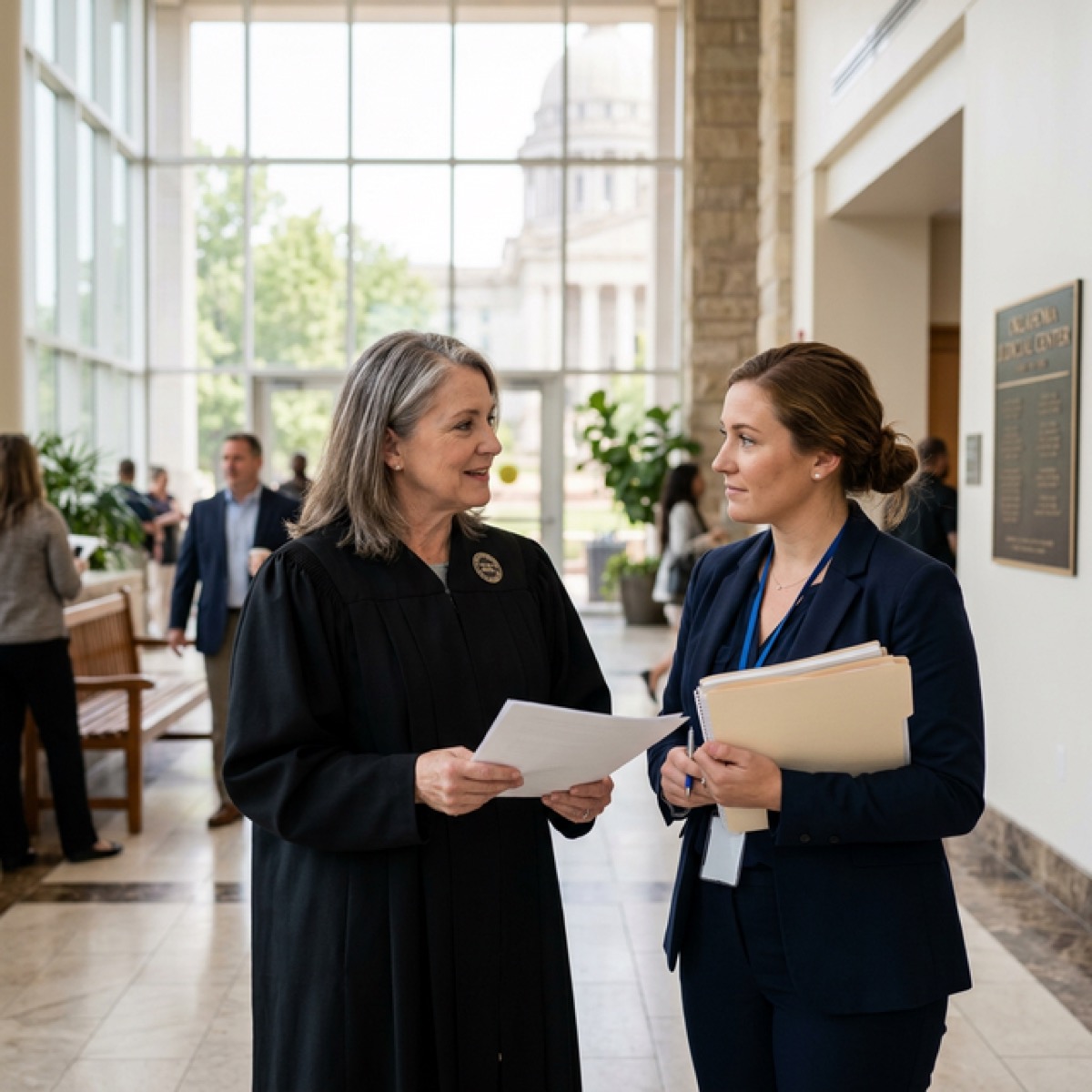
Oklahoma has extensive drug court infrastructure with 77+ drug courts across state providing treatment-focused criminal justice response to non-violent drug offenses. Drug courts operate through three levels: felony, misdemeanor, and juvenile drug courts. Participants enter drug court through diversion or post-conviction, receiving treatment instead of incarceration. Treatment is combined with judicial monitoring, frequent drug testing, and community sanctions creating accountability structure.
Oklahoma's drug court system has served 30,000+ participants since establishment in 1994. Research documents significant success: drug court participants have 35-80% lower recidivism rates than incarcerated counterparts. Drug court significantly reduces criminal justice system costs while addressing root cause of crime through addiction treatment.
Oklahoma drug court participants have 35-80% lower recidivism rates than similarly situated incarcerated individuals, saving state millions in criminal justice costs.
Drug Court Treatment Process
Drug court participants complete 12-24 month programs combining intensive treatment phases, judicial monitoring, frequent drug testing, and community supervision. Program phases typically last 3-6 months each: intensive treatment (4-5 days weekly), moderate treatment (2-3 days weekly), and maintenance phases (decreasing treatment frequency). Throughout program, participants appear before judge monthly (intensive phase) to bi-monthly (maintenance phase) for progress reviews.
Positive progress results in sanctions such as additional community service, increased drug testing, or temporary custody restriction. However, consistent progress earns privileges and recognition from judge. Successful program completion results in charges dismissed or sentences reduced, allowing individuals to move forward without criminal records.
Typical Drug Court Phases
Drug court programs progress through treatment phases with decreasing intensity as participants demonstrate recovery stability.
- Phase 1 (Intensive): 2-6 months of 4-5 day/weekly treatment, weekly judge appearances
- Phase 2 (Moderate): 3-6 months of 2-3 day/weekly treatment, bi-weekly judge appearances
- Phase 3 (Maintenance): 3-6 months of 1-2 day/weekly treatment, monthly judge appearances
- Phase 4 (Aftercare): 3-6 months of monthly appearances, reduced treatment, community employment focus
Barriers to Drug Court Success
While Oklahoma drug courts are effective, some participants face barriers to completion. Limited access to residential treatment means many participants remain in home environments with substance-using peers and family enabling. Inadequate mental health services create barriers for participants with co-occurring psychiatric conditions. Transportation challenges, childcare needs, and employment barriers complicate program participation.
Some participants require intensive residential treatment beyond outpatient drug court capacity to achieve stabilization. Trust SoCal provides intensive residential treatment for individuals in drug court systems requiring treatment exceeding outpatient capacity. Court coordination allows intensive treatment to count toward drug court program requirements, maintaining judicial continuity.
Drug court participants with severe mental illness, polysubstance addiction, or unsafe home environments may require intensive residential treatment for program success.
Public Safety and Community Benefits
Drug court demonstrates that treatment is more effective than incarceration for reducing crime. Drug court participants committed crimes primarily due to substance addiction, not violent or predatory tendencies. Treatment addressing addiction prevents future crime more effectively than incarceration, which disrupts lives and increases recidivism.
Drug court also provides significant cost savings: each drug court participant saves approximately $27,000 in criminal justice costs compared to incarceration, with additional savings from reduced future crime. Oklahoma benefits from both public safety and economic savings through drug court treatment investment.
Drug courts reduce recidivism, save criminal justice costs, and address root cause of crime through treatment—a successful public health approach to substance abuse.
Intensive Treatment Within Drug Court Framework
Some drug court participants require intensive residential treatment exceeding outpatient capacity to achieve stabilization and program success. Trust SoCal can provide this intensive treatment while maintaining drug court judicial oversight and program requirements. Our treatment is coordinated with drug court judges and probation officers, ensuring treatment counts toward drug court participation requirements.
Intensive residential treatment within drug court framework allows participants to address severe addiction, mental health, and trauma components preventing outpatient success. After intensive treatment, participants return to drug court for continued supervision and aftercare, combining intensive treatment with judicial accountability structure.
Coordination Between Treatment and Drug Court
Intensive treatment can be coordinated with drug court requirements.
- Treatment provider communicates progress to drug court judge
- Intensive treatment counts toward drug court program requirements
- Participant continues drug court timeline while in intensive treatment
- Judicial oversight maintains accountability alongside treatment
- Seamless transition from intensive treatment to continued drug court phases

Trust SoCal Editorial Team, Clinical Review Board
Editorial & Clinical Review