Key Takeaways
- Norman University of Oklahoma community experiences distinctive substance use patterns including student substance use, pressures, and recovery challenges
- OU University of Oklahoma Student Health and Counseling Center provides assessment, brief intervention, and referral services to enrolled students
- Norman Medicaid coverage and multiple treatment facilities ensure accessible options for non-student residents and families
- College recovery environments, including OU Sooner Recovery and peer-support communities, provide structure for student recovery
- Young adults completing intensive treatment benefit from college-integrated recovery support and academic continuation planning
Norman College Community and Substance Use Context
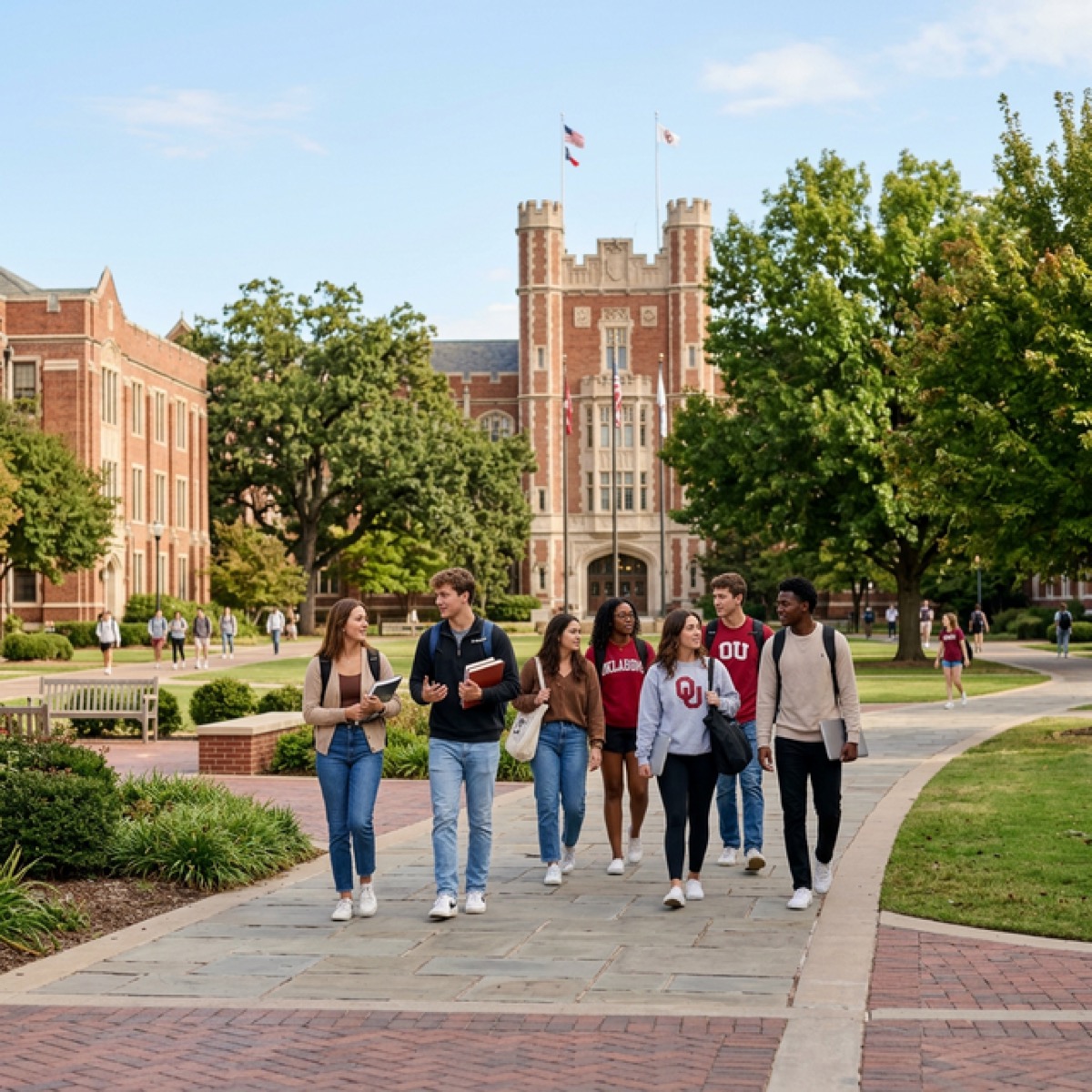
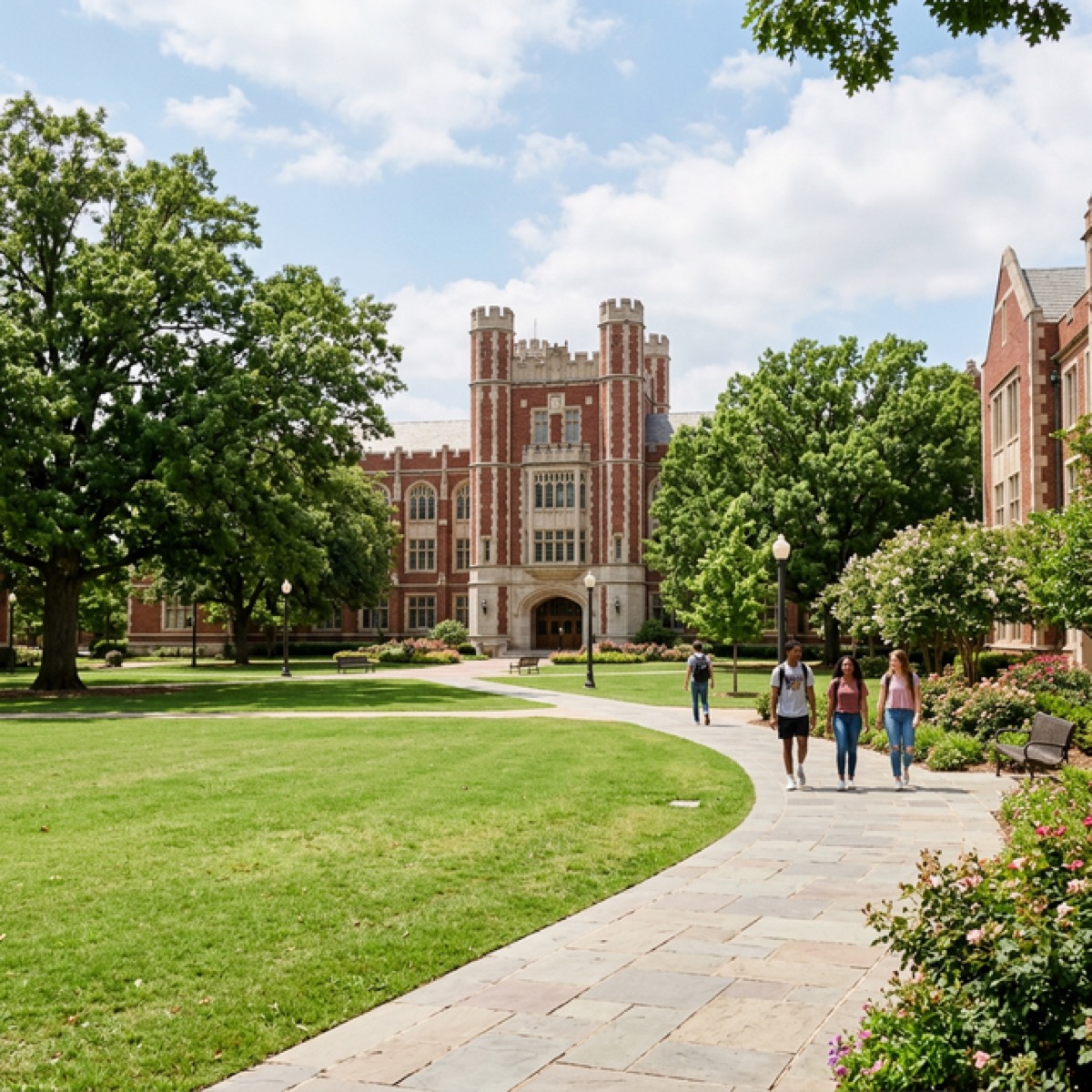
Norman, Oklahoma, home to the University of Oklahoma (enrollment approximately 30,000), is a college town with distinctive substance use patterns. Young adults aged 18-24 show elevated substance use prevalence compared to general population: college students frequently use alcohol, cannabis, prescription opioids, and stimulants (Adderall, methamphetamine). Substance use may begin or escalate in college due to academic pressure, social influence, availability, and developmental factors including emerging adulthood independence. Norman communities outside the university also include families, working professionals, and older adults with varying addiction treatment needs.
OU students experience particular pressures: academic competition, social expectations (drinking culture), anxiety and depression, identity exploration, and transition stress. Students from out-of-state (OU enrolls nationally) may feel isolated, lacking family support systems. Substance use for some begins as recreational experimentation in college social contexts; for others, college years reveal underlying mental health conditions (depression, anxiety, ADHD) self-medicated through substance use. Effective Norman treatment addresses both the unique college context and underlying conditions.
College substance use prevention research identifies early identification and brief intervention during freshman and sophomore years as critical intervention timing—before substance use becomes entrenched.
OU Student Health Services and Campus Resources
The University of Oklahoma Student Health and Counseling Center provides medical assessment, counseling, and treatment referral for enrolled students. Services include substance use screening, brief intervention for at-risk drinkers/users, psychiatric evaluation, and medication management. The Counseling Center offers individual therapy, group support, and psychiatric services. While OU doesn't operate intensive residential treatment, student health serves important early-identification and low-intensity intervention function. Students identifying substance use concerns should contact OU Student Health and Counseling at 405-325-2911.
OU Sooner Recovery represents a recovery-support program for OU students, providing peer support, structured activities, and integration with campus life. Students in recovery can connect with peers, access academic support, and participate in recovery-oriented campus activities. Dean of Students office provides additional resources addressing student substance use, academic performance impacts, and conduct concerns. Student resources alone often prove insufficient for students with moderate-to-severe substance use disorders requiring intensive treatment; however, campus resources provide foundation for early intervention and referral.
Campus and Norman Resources for OU Students
OU and Norman offer multiple resources for students addressing substance use.
- OU Student Health and Counseling Center: assessment, brief intervention, referral services
- Sooner Recovery: peer-support program for OU students in recovery
- Dean of Students office: addressing conduct concerns and student welfare
- Norman community mental health centers: treatment services for students
- Peer-support organizations: NA, AA meetings in Norman
- Intensive programs: nearby OKC and Tulsa facilities for referred students
Norman Treatment Facilities and Services
Norman and surrounding Cleveland County host multiple addiction treatment options. Providers include outpatient counseling practices, community mental health centers accepting SoonerCare and private insurance, and connections to OKC-area intensive programs. Norman residential treatment capacity is limited, requiring many residents to travel to OKC (approximately 20 miles) for inpatient detoxification or residential care. However, outpatient treatment, counseling, psychiatric services, and peer support are readily available within Norman. Most Norman treatment providers accept Oklahoma Medicaid (SoonerCare), private insurance, and offer sliding-scale fees.
Norman treatment programs increasingly understand college-community context, recognizing how OU enrollment affects community dynamics. Some programs offer treatment schedules accommodating student schedules or working adults. Psychiatric services address dual-diagnosis (substance use plus mental health conditions) prevalent in college populations. Treatment programs should be able to coordinate with OU Student Health when appropriate (with student consent) ensuring continuity of care. For Norman residents requiring intensive residential treatment, OKC programs 20 miles away are readily accessible without requiring relocation.
Norman residents needing intensive treatment can access OKC facilities easily (20-minute drive). Arranging transportation through treatment programs or SoonerCare transportation assistance supports access.
Young Adult and College-Specific Treatment Approaches
Effective college-age addiction treatment adapts to young adult developmental stage: identity formation, increasing independence, future planning including education and career. College-focused treatment programs recognize academic/occupational consequences, peer influence importance, and still-developing decision-making capacity. Motivational approaches work better than confrontation with young adults; clinicians meet individuals where they are rather than demanding acceptance of "alcoholic" or "addict" labels. Family involvement (with student consent) can support motivation and provide historical context.
Young adult peer support is often more effective than intergenerational groups: age-matched individuals with shared college/post-college experiences provide relatable role models. Collegiate Recovery Programs (CRPs) at universities nationwide provide peer-led recovery support specifically designed for students. Norman participants might benefit from investigating similar programs or advocating for program expansion at OU. For intensive treatment needed, young adult-focused programs (like Trust SoCal's integrated approach) provide optimal developmental fit.
In recovery, I found I wasn't the only OU student struggling. Having age-matched peers who understood college pressure made recovery feel achievable.
— OU Student in Recovery
Family Involvement and Intergenerational Recovery Dynamics
Norman includes families with multiple generations navigating substance use and recovery. Some OU students have family histories of addiction; others introduce substance use to families previously unaffected. Family therapy addressing addiction impacts benefits systems understanding how one member's substance use affects entire family. Family members sometimes enable substance use through finances, housing, or minimization of consequences; family counseling addresses these patterns. Parents seeking help often benefit from organizations like Al-Anon (for families of alcoholics) and Nar-Anon (for families of narcotic users), available in Norman.
Young adults in recovery benefit from family involvement (if relationships are safe): having parents and siblings understand addiction as medical condition rather than moral failing, communicate boundaries, and support recovery goals. Conversely, some individuals' primary family systems contain active substance use; recovery may require establishing boundaries, finding chosen family in peer-support communities, or temporarily distancing. Family context varies; effective treatment addresses individual family dynamics rather than imposing universal family involvement.
Educational and Occupational Continuity in Recovery
Young adults in treatment often face decisions about academic continuation. Some benefit from taking temporary leave while addressing acute recovery needs; others continue academic work while engaging treatment. Treatment programs should support reasonable academic engagement for motivated students, recognizing education as recovery protective factor. Some intensive programs offer academic support, allowing continued online learning during treatment. OU provides academic policies addressing medical leaves and treatment-related accommodations; coordination between treatment programs and OU ensures students understand academic options.
For Norman residents post-treatment, continuing education or vocational training strengthens recovery outcomes. Employment or productive engagement provides structure, purpose, income, and identity beyond addiction. Treatment discharge planning should address occupational/educational continuation: Whether to return to school, timing, support structures needed. For young adults who relocated to California for intensive treatment, returning with clear educational/occupational plans and peer support improves reintegration success.

Trust SoCal Editorial Team, Clinical Review Board
Editorial & Clinical Review