
Key Takeaways
- Native Hawaiian individuals face disproportionately high rates of substance abuse related to historical trauma, cultural displacement, and ongoing systemic inequities stemming from colonialism.
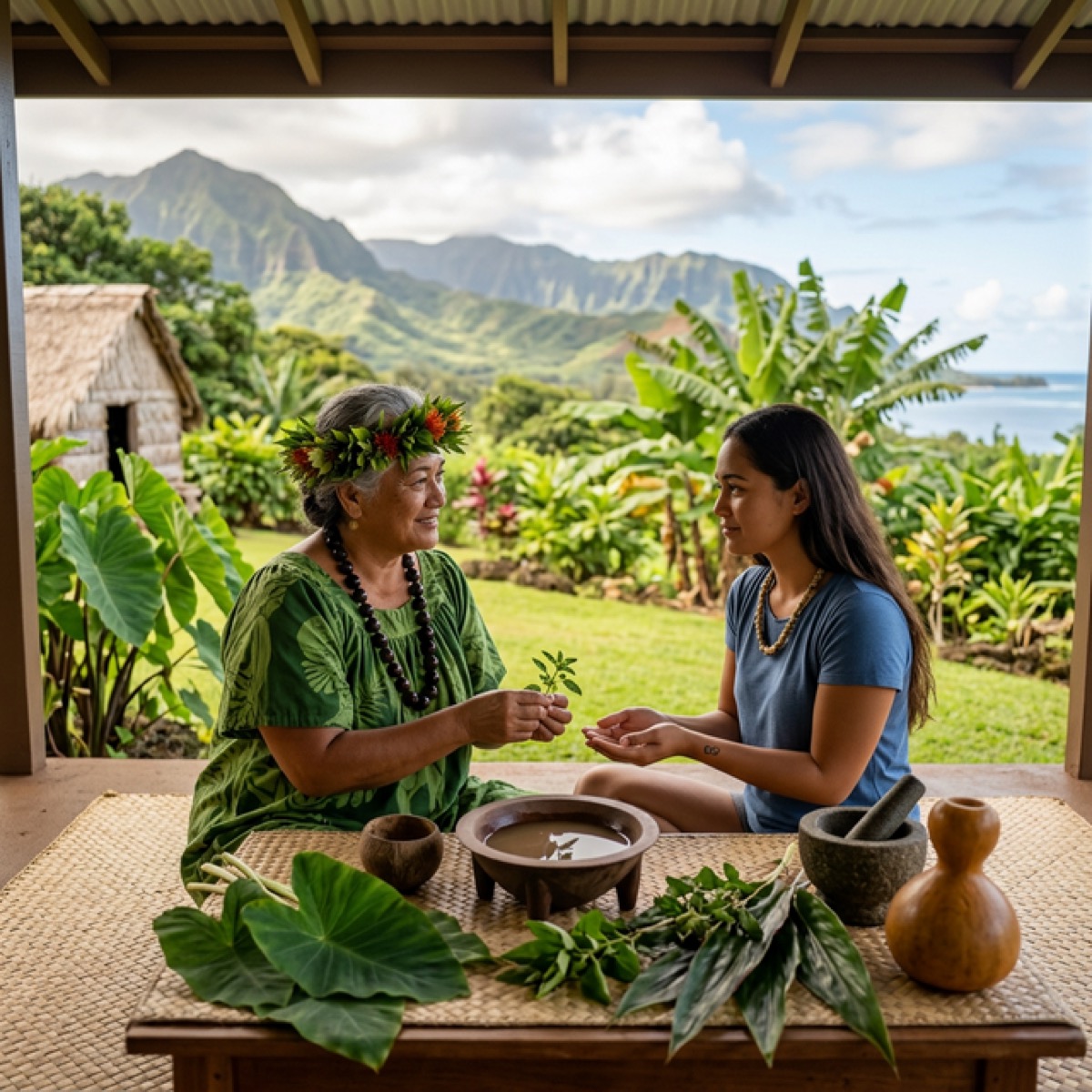
- Ho'oponopono, a traditional Hawaiian practice of family conflict resolution and healing, provides a culturally grounded framework for addressing family damage caused by addiction and facilitating relational healing.
- Connection to 'aina (land and natural environment) is central to Native Hawaiian identity and wellness, and nature-based therapeutic approaches honoring this connection support recovery.
- Hawaiian spiritual practices, including oli (chanting), traditional prayers, and ancestor acknowledgment, provide spiritual grounding and meaning-making that supports recovery when incorporated into treatment.
- Historical trauma—the cumulative effects of colonization, cultural suppression, and ongoing systemic discrimination—contributes to substance abuse vulnerability and must be addressed in effective treatment.
- Culturally competent treatment requires more than adding cultural elements to mainstream approaches; it requires fundamental restructuring centered on Hawaiian values, history, and worldviews.
Cultural Disconnection and Vulnerability to Addiction
Native Hawaiian individuals face disproportionately high rates of substance abuse that cannot be understood apart from the historical trauma, cultural displacement, and ongoing colonialism that characterizes the Hawaiian experience. The deliberate suppression of Hawaiian language, cultural practices, and traditional ways of living during the colonial period created intergenerational trauma and cultural disconnection that contribute to vulnerability to addiction. For many Native Hawaiian individuals, substance abuse represents an attempt to numb the pain of cultural loss, historical injustice, and the ongoing marginalization of Hawaiian people within their own homeland. Understanding this context is essential for developing treatment approaches that can authentically serve Native Hawaiian populations.
The epidemiologic data is stark: Native Hawaiians die from substance abuse-related causes at rates multiple times higher than other ethnic groups in the state. This disparity is not attributable to cultural characteristics or individual weakness but reflects structural inequities, systemic racism, and the lasting consequences of colonialism. Treatment that ignores this context and applies mainland-developed approaches without cultural adaptation is unlikely to effectively engage Native Hawaiian clients or produce sustained recovery outcomes. Treatment providers serving Native Hawaiian populations must understand this historical and contemporary context and be willing to fundamentally restructure their approaches to honor Native Hawaiian culture, values, and ways of healing.
The path to recovery for many Native Hawaiian individuals involves not just abstinence from substance use but reconnection with Hawaiian culture, language, and identity. This cultural reconnection itself has healing power and can provide the meaning, purpose, and community belonging that individuals may have lost through addiction. Treatment programs that recognize and facilitate this cultural healing process as a core component of addiction treatment—rather than treating culture as an optional addition to mainstream treatment—demonstrate significantly better outcomes with Native Hawaiian clients.
Ho'oponopono: Traditional Hawaiian Conflict Resolution and Healing
Ho'oponopono is a traditional Hawaiian practice of family conflict resolution and relationship healing that predates Western psychology and continues to have powerful relevance for contemporary addiction treatment. The practice involves bringing together family members, or in extended practice, community members, with the purpose of addressing harm, restoring relationships, and healing from ruptures created by conflict or wrongdoing. In the addiction context, ho'oponopono can facilitate the family healing that is often desperately needed after years of addiction have damaged relationships, destroyed trust, and fractured family bonds. The structured nature of ho'oponopono—with its emphasis on speaking truth, listening with openness, and moving toward forgiveness and healing—provides a culturally grounded framework for family therapy that resonates deeply with Native Hawaiian clients.
The power of ho'oponopono lies in its recognition that healing is fundamentally relational and communal, not individual. Addiction is understood not as an individual problem but as a family and community problem that requires family and community healing. The practice involves structured communication where each person has the opportunity to express how they have been affected, to listen to how others have been affected, and to engage in the difficult work of forgiveness and reconciliation. For Native Hawaiian individuals, the application of ho'oponopono in treatment honors their cultural values while addressing the profound relational damage that addiction has created. Treatment programs incorporating ho'oponopono report stronger family engagement, faster healing of family relationships, and improved treatment outcomes compared to conventional family therapy approaches.
Structure and Process
Ho'oponopono typically involves a trained facilitator (often a family elder or respected community member) bringing together those affected by the conflict or harm. Each person shares their perspective and how they have been harmed. The process moves toward acknowledgment of wrongdoing, sincere apology, forgiveness, and commitment to changed behavior. The spiritual dimension of the practice—the acknowledgment of connection to the divine and to ancestors—provides spiritual grounding that Western therapy approaches often lack. For Native Hawaiian clients, this spiritual integration is not tangential but central to healing.
Connection to 'Aina: Land, Place, and Recovery
The Hawaiian concept of 'aina—typically translated as "land" but encompassing the relationship to the natural world, sense of belonging, and spiritual connection—is central to Native Hawaiian identity and wellness. The displacement of Native Hawaiians from their lands, the appropriation and commodification of Hawaiian lands for tourism and development, and the ongoing threats to Native Hawaiian sacred sites and environmental resources create ongoing trauma and disconnection from 'aina. For individuals in recovery, reconnection to the land—whether through time in nature, participation in cultural practices tied to specific places, or engagement with land-based community projects—can be profoundly healing.
Treatment programs serving Native Hawaiian populations increasingly incorporate outdoor therapeutic activities, connection to natural environments, and opportunities for clients to engage with land-based practices that honor Hawaiian values. These might include participation in lo'i kalo (taro patches), fishing practices, gathering of traditional plants, or simply spending structured time in natural environments with therapeutic support. The research on nature-based therapy supports the healing power of outdoor experience, and for Native Hawaiian clients, the additional cultural significance of land connection amplifies these benefits. Trust SoCal can discuss treatment approaches that honor this connection to 'aina, whether you pursue care on the islands or the mainland. Call (949) 280-8360 to learn about culturally competent options.
Hawaiian Spiritual Practices in Recovery
Native Hawaiian spiritual practices and beliefs have been suppressed, delegitimized, and nearly lost during the colonial period, yet they are experiencing revival as Native Hawaiian communities reclaim their cultural heritage. Prayer, spiritual practices honoring the ancestors, and connection to the divine are important aspects of wellness for many Native Hawaiians, and treatment that honors these practices while maintaining respect for individual diversity of belief is more aligned with Native Hawaiian values than secular treatment approaches.
Many treatment programs serving Native Hawaiian populations have incorporated Hawaiian spiritual practices including oli (chanting), traditional prayers, acknowledgment of ancestors, and spiritual teachings. These practices provide spiritual grounding, connection to community and heritage, and meaning-making that secular approaches may not address. Research on the effectiveness of spiritually integrated treatment supports better outcomes compared to secular approaches alone, and this is particularly true for populations with strong cultural and spiritual traditions. Treatment that recognizes spirituality as a central component of recovery and creates space for spiritual expression and exploration is more likely to engage Native Hawaiian clients authentically and support their long-term recovery.
Culturally informed treatment for Native Hawaiian clients recognizes that recovery involves reconnection with Hawaiian cultural identity, spiritual practices, and community belonging as core therapeutic elements, not as optional additions to treatment.
Addressing Historical Trauma in Recovery
The concept of historical trauma—the cumulative emotional and psychological effects of traumatic events experienced by groups and transmitted across generations—is essential to understanding addiction in Native Hawaiian populations. The historical trauma includes the colonization of Hawaii, the overthrow of the Hawaiian Kingdom, the suppression of language and culture, the forced displacement from lands, and the ongoing systemic discrimination and marginalization experienced by Native Hawaiians. This trauma does not affect individuals in isolation but is carried within families and communities and transmitted to subsequent generations. Individuals struggling with substance abuse in the present are often attempting to numb the pain of historical trauma that they have inherited through their families and communities.
Trauma-informed addiction treatment must acknowledge and address historical trauma as a central factor in substance abuse vulnerability. Treatment that only addresses individual-level factors—personal coping skills, family of origin experiences, individual trauma history—while ignoring the collective historical trauma and ongoing systemic inequities is likely to be insufficient. Treatment providers serving Native Hawaiian populations must have knowledge of Hawaiian history, understanding of historical trauma, and commitment to addressing these systemic factors alongside individual healing work. This might involve education about Hawaiian history, discussion of ongoing colonialism and systemic racism, advocacy for social justice, and support for community healing initiatives.
Building Culturally Competent Treatment Services
Culturally competent addiction treatment for Native Hawaiian populations requires more than simply employing Native Hawaiian staff or adding cultural practices to existing treatment models. It requires fundamental commitment to understanding Hawaiian values, history, and worldviews, and willingness to allow these understandings to shape every aspect of treatment including assessment, goal-setting, therapeutic approach, and success metrics. Cultural competence is an ongoing process of learning, self-reflection, and accountability rather than a static achievement.
Treatment programs serving Native Hawaiian populations benefit from strong community partnerships, involvement of Native Hawaiian elders and spiritual leaders, governance structures that center Native Hawaiian voices, and commitment to continuous learning and improvement in cultural competence. The programs that are most respected within Native Hawaiian communities are those that demonstrate authentic respect for Hawaiian culture and values, employ Native Hawaiian staff, and participate actively in community beyond the walls of the treatment facility. These programs often achieve outcomes that exceed national averages and demonstrate that culturally grounded treatment is not just ethically superior but clinically superior to culturally disconnected approaches.

Rachel Handa, Clinical Director
Clinical Director & Therapist

