Key Takeaways
- Missouri ranks among the highest in opioid-related overdose deaths per capita in the United States
- Fentanyl and heroin have become dominant substances in Missouri's drug supply
- Prescription opioid overprescription in the 1990s and 2000s created the foundation for today's addiction crisis
- Local MAT programs and recovery communities exist but face capacity challenges
- Trust SoCal provides comprehensive care for Missouri residents seeking out-of-state treatment at (949) 280-8360
Understanding Missouri's Opioid Crisis
Missouri has become one of the nation's opioid hotspots, with overdose deaths climbing steadily over the past two decades. The crisis, which began with prescription opioid overprescription, has transformed into a deadly epidemic fueled by illicit fentanyl and heroin. The Missouri Department of Health and Senior Services reports thousands of opioid-related overdose deaths annually, with rates climbing particularly sharply in rural areas across the state. Understanding the scope of this crisis is essential for individuals and families seeking recovery.
The progression of Missouri's addiction crisis mirrors patterns seen nationwide but with particular regional characteristics. Initial exposure often came through legitimate prescriptions for pain management, particularly in rural and working-class communities where workplace injuries are common. Over time, stricter prescription controls drove many individuals toward heroin and, increasingly, illicitly manufactured fentanyl. Today, Missouri's drug supply is dominated by fentanyl-laced products that are orders of magnitude more potent than the heroin of previous decades.
Missouri reported over 2,000 opioid-related overdose deaths in recent years. The state ranks in the top ten nationally for opioid-related mortality per capita.
The Evolution from Prescription Opioids to Illicit Fentanyl
Between the 1990s and early 2000s, pharmaceutical companies aggressively marketed prescription opioids while downplaying addiction risks. Medications like OxyContin became widely prescribed for both acute and chronic pain management. Rural Missouri communities, where workplace injuries in agriculture, mining, and manufacturing were common, saw particularly high rates of opioid prescribing. Millions of doses entered Missouri communities during this period, creating the foundation for today's addiction crisis.
- Opioid prescribing peaked in the early 2010s before regulatory controls began limiting supply
- Illicit fentanyl emerged as heroin users sought to replicate increasingly potent street supplies
- Fentanyl is approximately 50 to 100 times more potent than morphine, creating extreme overdose risk
- Counterfeit pills laced with fentanyl have increased the unpredictability and danger of street drugs
- The shift to illicit opioids occurred as prescription access tightened, deepening addiction and criminal justice involvement
Regional Variations Across Missouri
Addiction affects all regions of Missouri but manifests differently depending on economic conditions, available treatment infrastructure, and drug distribution patterns. Urban centers like Kansas City and St. Louis have organized treatment resources but also concentrated poverty and open-air drug markets. Rural Missouri counties, while generally having lower visible drug activity, often lack treatment resources entirely, forcing residents to travel long distances for care.
- St. Louis metropolitan area accounts for a disproportionate share of Missouri overdose deaths
- Kansas City faces challenges similar to other Midwest metropolitan areas with large addiction populations
- Rural counties like Barry, Dade, and Cedar report high opioid overdose rates relative to population
- Access to medications like buprenorphine varies dramatically between urban and rural Missouri
- Transportation barriers prevent many rural residents from accessing consistent addiction treatment
The St. Louis Heroin Epidemic and Urban Addiction Crisis
St. Louis has emerged as one of America's most visible heroin markets. The city's location on the Mississippi River, its major highway corridors, and its population density have made it a major drug distribution hub. Open-air heroin markets flourish in several north city neighborhoods, where addiction, poverty, and lack of treatment resources create a perfect storm. For many St. Louis residents, the visible presence of addiction in their communities is a daily reality that shapes decisions about seeking treatment.
The Gateway City's addiction crisis is intimately connected to systemic poverty, disinvestment, and limited economic opportunity. Neighborhoods that experienced deindustrialization now face high unemployment, poor housing conditions, and concentrated poverty that serve as risk factors for substance abuse. However, St. Louis also has some of the region's most robust treatment infrastructure, with programs operating through city health departments, nonprofits, and private providers. Despite these resources, demand often exceeds capacity.
St. Louis's downtown and north city areas have seen expansion of supervised consumption and harm reduction services aimed at reducing overdose deaths while connecting people to treatment.
Treatment Options in the St. Louis Region
The St. Louis area offers a range of addiction treatment options for residents. Major hospital systems including Barnes-Jewish Hospital and Saint Louis University Hospital operate addiction medicine programs. Community mental health centers provide sliding-scale services. Medication-assisted treatment is available through multiple providers, though accessibility varies. Despite these resources, wait times can be substantial, and many individuals struggle to navigate the system while in acute distress.
- Missouri Department of Health operates a treatment finder service for St. Louis residents
- The Saint Louis University addiction medicine fellowship trains specialists serving the region
- Methadone clinics operate in north city neighborhoods with multiple daily dosing windows
- Community health centers provide low-cost screening and referral services
- Trust SoCal offers a streamlined pathway for St. Louis residents seeking out-of-state treatment at (949) 280-8360
Kansas City Addiction Treatment Resources and the Metropolitan Challenge
Kansas City, straddling the Missouri-Kansas border, faces addiction challenges similar to other major Midwest metropolitan areas. The city has a visible street-level drug culture in certain neighborhoods while also serving as a major drug distribution hub for the region. Jackson County, where Kansas City is located, reports significant opioid and methamphetamine addiction. The city's treatment infrastructure includes programs through the city health department, hospital systems, and private providers, but capacity constraints remain a persistent challenge.
The Kansas City metropolitan area includes communities on both sides of the state line, creating complexity in resource navigation. Missouri-based programs operate under Missouri regulations, while Kansas programs follow different requirements. For Kansas City residents seeking seamless access to comprehensive treatment without navigating state-line complexities, out-of-state options like Trust SoCal may offer advantages including unified care management and clear treatment pathways.
Kansas City residents can call Trust SoCal at (949) 280-8360 for free insurance verification and consultation about treatment options that may be covered by their Missouri or Kansas insurance.
Local Resources and Barriers to Care
Kansas City offers multiple treatment entry points including hospital emergency departments, community health centers, and standalone addiction treatment programs. Saint Luke's Health System operates several facilities providing addiction services. The city's health department maintains resources and referral information. However, wait lists for residential treatment can extend several weeks, and outpatient capacity is often fully booked, limiting the ability of the system to respond rapidly when individuals reach out for help.
- Saint Luke's operates multiple addiction treatment programs across Kansas City locations
- Truman Medical Centers provides treatment through the city's public hospital system
- Community Health Centers provide integrated primary care and addiction screening
- Medication-assisted treatment is available through multiple prescribers across the metro
- Many Kansas City residents travel to rural treatment programs or out-of-state options due to local capacity constraints
Springfield Substance Abuse and Central Missouri Recovery
Springfield, Missouri's third-largest city, has experienced its own version of the addiction crisis. Located in Greene County, Springfield faces methamphetamine as a dominant substance alongside opioids. The city serves as a regional hub with treatment resources that draw patients from surrounding rural areas. Springfield's treatment infrastructure includes programs operated through city and county health departments, hospital systems, and private providers, making it a resource center for central Missouri.
Central Missouri's rural character means that many individuals living in surrounding counties must travel to Springfield for treatment access. This geographic reality creates barriers for those without transportation or financial resources to relocate temporarily during treatment. For individuals in central Missouri seeking alternatives to traveling within the state, California-based treatment centers offer the advantage of comprehensive care in a single location without the logistical challenges of navigating multiple local providers.
Springfield is home to several MAT programs and intensive outpatient services, but many rural Missouri residents report preferring out-of-state treatment to avoid local stigma.
Methamphetamine Epidemic in Springfield
Methamphetamine production, distribution, and addiction represent a significant challenge in Springfield and surrounding areas. The drug is cheaper than opioids, highly addictive, and produces intense psychosis and paranoia that complicate treatment. Springfield law enforcement has dismantled numerous clandestine methamphetamine labs, indicating active production in the region. Treatment programs must be equipped to address the unique neurological and psychological challenges of methamphetamine addiction, including extended detoxification periods and intensive cognitive behavioral therapy.
- Methamphetamine arrests consistently exceed opioid-related charges in Springfield area law enforcement data
- Clandestine drug lab discoveries indicate active methamphetamine manufacturing in central Missouri
- Treatment programs in Springfield increasingly specialize in stimulant addiction management
- The psychological effects of methamphetamine require extended residential treatment programs
- Recovery from methamphetamine addiction often requires 60 to 90 days of residential care for optimal outcomes
Missouri Medicaid Coverage for Addiction Treatment
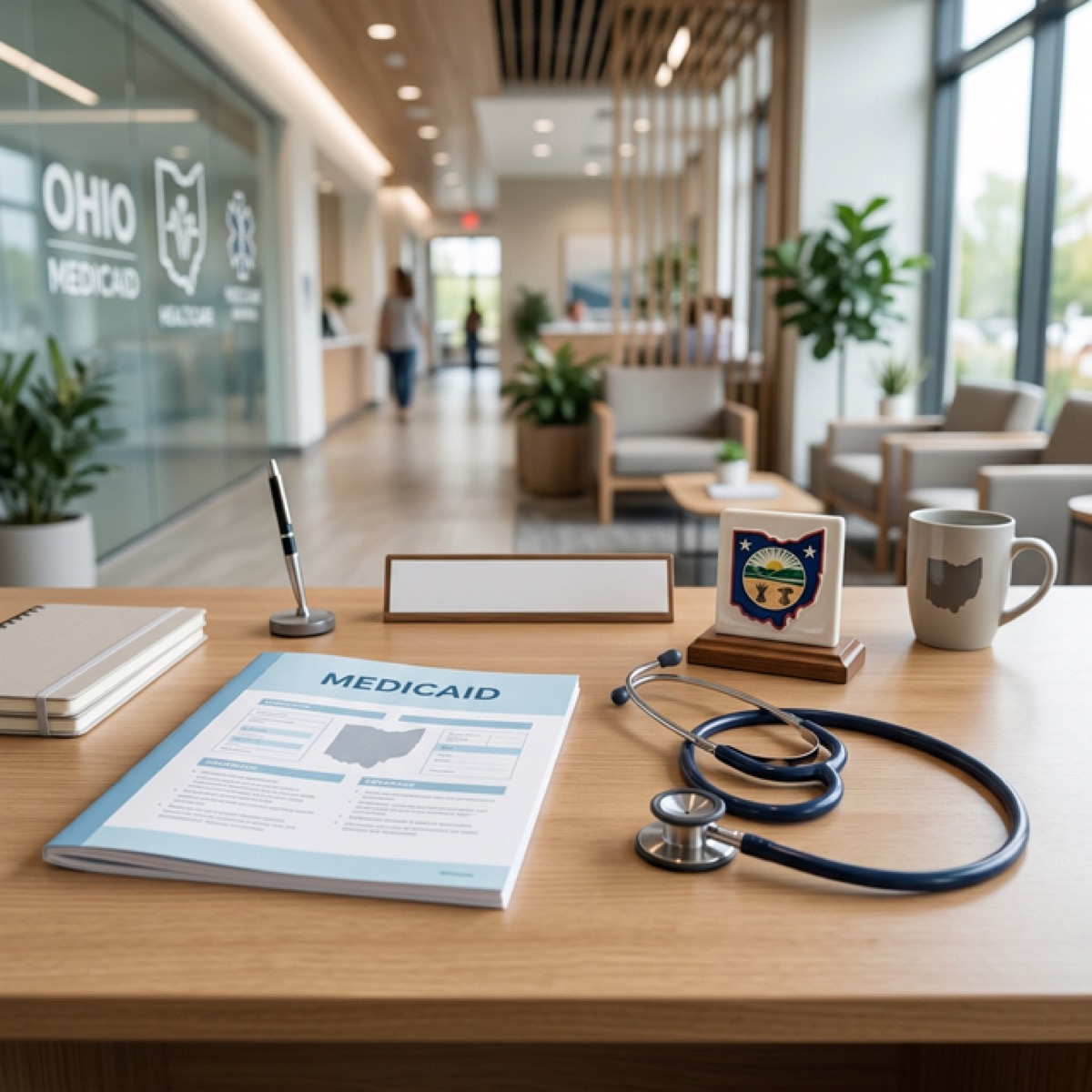
Missouri, known as MO HealthNet, provides coverage for addiction treatment services for eligible residents. The program covers medical detoxification, residential treatment, outpatient counseling, and medication-assisted treatment. Coverage is available for both in-state and out-of-state programs when medically necessary. Understanding MO HealthNet benefits is essential for low-income and disabled Missouri residents seeking treatment.
MO HealthNet has expanded coverage significantly in recent years, reflecting recognition of addiction as a medical condition. Eligible residents can access comprehensive treatment without facing insurmountable financial barriers. Out-of-network benefits may be available for out-of-state treatment, particularly when in-state programs have inadequate capacity. Trust SoCal's admissions team specializes in verifying MO HealthNet benefits for Missouri residents, providing free, detailed insurance verification.
MO HealthNet documentation requirements for out-of-state treatment typically include medical necessity justification. Trust SoCal guides clients through this process at (949) 280-8360.
Coverage Scope and Limitations
MO HealthNet Standard covers a comprehensive range of addiction treatment services including medical detox, inpatient residential treatment, partial hospitalization, intensive outpatient programs, individual and group counseling, and all FDA-approved medications for addiction. However, eligibility and coverage limits vary based on the client's specific MO HealthNet plan type.
- Inpatient detoxification is covered when medically necessary to manage withdrawal symptoms
- Residential treatment is covered for varying durations depending on clinical need and plan type
- Outpatient services including individual counseling and group therapy are covered
- Medication-assisted treatment including buprenorphine, methadone, and naltrexone is covered
- Prior authorization may be required for certain treatment modalities or facilities
Drug Court Programs and Criminal Justice Pathways in Missouri
Missouri operates drug court programs designed to divert individuals with substance use disorders away from incarceration and toward treatment. These programs are available in multiple counties and offer a pathway for individuals facing drug-related charges. Drug courts impose requirements including regular court appearances, treatment participation, drug testing, and behavioral monitoring, but offer the incentive of dismissed charges upon successful completion.
Participation in drug court can be transformative for individuals eager to address their addiction while avoiding the collateral consequences of criminal conviction. However, drug court participants must meet strict program requirements and cannot typically leave the state without court permission. Understanding the relationship between drug court participation and treatment location is essential for Missouri residents considering out-of-state options.
Missouri drug courts have success rates comparable to or exceeding national averages. Participants who complete drug court are significantly less likely to be re-arrested than those pursuing incarceration alone.
How Drug Court Works and Treatment Integration
Drug court programs combine judicial oversight, mandatory treatment participation, frequent drug testing, and behavioral incentives. Individuals accepted into drug court agree to participate in designated treatment programs while undergoing regular court monitoring. Treatment may occur in outpatient or residential settings, depending on individual needs. Successful completion results in dismissal of charges, a significant benefit compared to criminal conviction.
- Drug court participation typically lasts 12 to 18 months with regular court hearings
- Treatment providers are coordinated with the drug court team to ensure consistent messaging
- Regular drug testing ensures accountability and allows early detection of relapse
- Court appearances provide structure and external motivation during critical recovery phases
- Successful completion results in charge dismissal or significant sentence reductions
Why Missouri Residents Choose California Treatment
An increasing number of Missouri residents are traveling to California for addiction treatment, choosing the geographic distance and fresh environment that California-based programs offer. This decision is not a reflection of inadequate local care but rather recognition that a fundamental change in environment can support recovery when combined with evidence-based clinical treatment.
Trust SoCal in Fountain Valley, Orange County, California, offers Missouri residents comprehensive care in a setting completely removed from the triggers, social pressures, and environmental cues that often drive continued substance use. Southern California's recovery-friendly climate, outdoor activity opportunities, and specialized programming create an ideal foundation for lasting recovery. For Missouri residents seeking a clean break and dedicated treatment, the investment in California care often yields remarkable returns in sustained sobriety.
Missouri residents can fly from major hubs including St. Louis or Kansas City to Southern California in under 4 hours. Trust SoCal assists with travel coordination and airport pickup for seamless admission.
The Environmental Cure and Recovery Sustainability
When individuals remove themselves from the environments where substance use occurred, they interrupt powerful conditioned neurological responses. The combination of geographic distance, fresh peer groups, structured programming, and clinical support creates conditions for sustained recovery that staying local often cannot provide. Trust SoCal leverages this principle by offering immersive treatment in Southern California's supportive recovery environment.
- Environmental cues associated with substance use diminish dramatically with geographic distance
- Travel from Missouri to California reduces access to old social networks and substance-using peers
- Southern California's year-round outdoor activity culture supports physical and mental health in recovery
- Trust SoCal's peer-rich environment connects Missouri residents with a strong recovery community
- The investment in travel is often offset by higher treatment completion rates and sustained sobriety
Missouri to Orange County: A Viable Recovery Pathway
Flying from Missouri to Southern California is straightforward, with direct flights from St. Louis or Kansas City to Orange County's John Wayne Airport or Los Angeles International Airport taking approximately 4 to 5 hours. Trust SoCal handles logistical coordination including airport transportation, initial intake, and insurance verification, removing barriers and stress from the admission process.
- Direct flights connect major Missouri cities to Southern California in under 5 hours
- Trust SoCal provides airport pickup and seamless facility orientation
- Weather in Southern California allows year-round outdoor recovery activities
- Orange County location provides access to Santa Ana, Irvine, and Long Beach activities
- Trust SoCal coordinates with family members and supports long-distance family participation

Trust SoCal Editorial Team, Clinical Review Board
Editorial & Clinical Review