
Key Takeaways
- More than half of individuals with a substance use disorder also have a co-occurring mental health condition.
- Dual diagnosis treatment addresses both conditions simultaneously for better outcomes.
- Orange County offers extensive mental health resources including crisis hotlines, community clinics, and private practitioners.
- Trust SoCal specializes in integrated dual diagnosis treatment at our Fountain Valley location.
Why Mental Health Matters in Addiction Recovery
Mental health services in Orange County are essential for people in addiction recovery because substance use disorders and mental health conditions frequently co-occur. The Substance Abuse and Mental Health Services Administration reports that approximately 9.2 million adults in the United States experience both a mental health disorder and a substance use disorder simultaneously. Treating one without addressing the other significantly increases the risk of relapse.
Common co-occurring conditions include depression, anxiety disorders, post-traumatic stress disorder, bipolar disorder, and attention deficit hyperactivity disorder. Many individuals initially turn to drugs or alcohol as a way to self-medicate untreated mental health symptoms. Without addressing the underlying condition, the drive to use substances persists even after detox and rehabilitation.
Orange County is fortunate to have an extensive network of mental health providers who understand the unique needs of people in recovery. From specialized dual diagnosis treatment centers to community mental health clinics, the county offers resources for individuals at every stage of their recovery journey and across all income levels.
Understanding Dual Diagnosis Treatment
Dual diagnosis treatment, also called integrated treatment, addresses substance use disorders and mental health conditions simultaneously within a single, coordinated treatment plan. This approach is considered the standard of care because treating both conditions together produces significantly better outcomes than treating them separately or sequentially.
In a dual diagnosis program, a multidisciplinary team of psychiatrists, psychologists, licensed therapists, and addiction counselors collaborates to create a comprehensive treatment plan. Psychiatric medications may be used to stabilize mood disorders, anxiety, or psychotic symptoms while evidence-based therapies address addiction behaviors and underlying trauma.
Research shows that integrated dual diagnosis treatment reduces hospitalization rates by up to 50 percent and significantly improves long-term recovery outcomes compared to treating addiction and mental health conditions separately.
Evidence-Based Therapies for Co-Occurring Disorders
Cognitive behavioral therapy is one of the most widely used and well-researched treatments for co-occurring disorders. CBT helps individuals identify negative thought patterns that contribute to both substance use and mental health symptoms, then develop healthier coping strategies. Orange County providers frequently use CBT in both individual and group therapy settings.
Dialectical behavior therapy, originally developed for borderline personality disorder, has proven effective for individuals with co-occurring conditions. DBT teaches emotional regulation, distress tolerance, interpersonal effectiveness, and mindfulness skills. EMDR, or eye movement desensitization and reprocessing, is commonly used to address trauma that underlies both addiction and PTSD.
Psychiatric Medication Management
Many people in recovery benefit from psychiatric medications to manage conditions like depression, anxiety, or bipolar disorder. A board-certified psychiatrist with experience in addiction medicine can prescribe medications that are both effective for the mental health condition and safe for someone in recovery. Non-addictive options are prioritized whenever possible.
Regular medication management appointments ensure that dosages are optimized and side effects are monitored. In Orange County, psychiatric services are available through treatment centers, community clinics, and private practices. Trust SoCal integrates psychiatric care into all of our treatment programs to ensure seamless coordination of care.
Finding Mental Health Providers in Orange County
Orange County offers a wide range of mental health providers to serve people in recovery. The key is finding a provider who understands the intersection of addiction and mental health and can deliver treatment that supports both areas of healing. Here are the primary options available throughout the county.
Community Mental Health Centers
The Orange County Health Care Agency Behavioral Health Services division operates community mental health centers throughout the county. These centers provide psychiatric evaluations, individual and group therapy, medication management, and crisis intervention services. Clinics are located in Santa Ana, Anaheim, Westminster, and other cities, and services are available on a sliding-scale fee basis.
For individuals enrolled in Medi-Cal, the county mental health system provides comprehensive services at no cost. CalOptima, Orange County managed Medi-Cal plan, maintains a network of behavioral health providers. The CalOptima behavioral health access line can help you find a provider near you in Fountain Valley, Irvine, or wherever you reside in the county.
Private Therapists and Psychiatrists
Orange County has a robust private practice community of licensed therapists, psychologists, and psychiatrists. Many specialize in addiction recovery and dual diagnosis. Psychology Today online directory allows you to search for providers in specific Orange County cities and filter by specialty, insurance accepted, and treatment approach.
When choosing a private provider, ask specifically about their experience treating clients in recovery from substance use disorders. Not all mental health providers are trained in addiction, and working with someone who understands the recovery process is important. Look for credentials such as CADC, LMFT, LCSW, or LPCC with stated addiction specializations.
Crisis Resources and Emergency Support
Mental health crises can occur at any point during recovery, and knowing where to turn for immediate help can be lifesaving. Orange County provides multiple crisis intervention resources available around the clock. If you or someone you know is in immediate danger, always call 911 first.
The 988 Suicide and Crisis Lifeline is available 24 hours a day by calling or texting 988. The Orange County Crisis Assessment Team provides mobile response for mental health emergencies and can be reached through the OC Links information line. The Didi Hirsch Crisis Center operates a crisis hotline specifically for individuals experiencing suicidal thoughts.
The Orange County Global Medical Center in Santa Ana and several other hospitals maintain psychiatric emergency departments for individuals requiring immediate psychiatric stabilization. If you are in recovery and experiencing a mental health crisis, inform the emergency team about your substance use history so they can provide appropriate care.
- 988 Suicide and Crisis Lifeline: call or text 988
- OC Links information and referral line for behavioral health services
- Orange County Crisis Assessment Team for mobile crisis response
- Local emergency departments with psychiatric services in Santa Ana, Anaheim, and Orange
- Trust SoCal crisis support for current and former clients: (949) 280-8360
A mental health crisis is a medical emergency. If you or someone you know is experiencing suicidal thoughts, self-harm, psychosis, or severe emotional distress, seek help immediately by calling 988 or 911.
Affordable Mental Health Options
Cost should not be a barrier to accessing mental health services in Orange County. Multiple pathways exist for individuals who need affordable or free care while in recovery. Understanding your options can help you access the support you need without financial strain.
Medi-Cal covers comprehensive behavioral health services at no cost to enrollees. If you are uninsured, the Orange County Health Care Agency provides services on a sliding-scale basis. Many private therapists offer reduced-fee slots for clients in financial hardship, and university training clinics at Chapman University, Vanguard University, and others provide low-cost therapy from supervised graduate students.
Open Path Psychotherapy Collective is an online platform that connects individuals with therapists who offer sessions between 30 and 80 dollars. Community clinics operated by organizations like the Korean Community Services and the Vietnamese Community of Orange County provide culturally responsive mental health care in multiple languages.
Dual Diagnosis Treatment at Trust SoCal
Trust SoCal provides integrated dual diagnosis treatment at our facility located at 16537 Elm Cir, Fountain Valley, CA 92708. Our clinical team includes licensed therapists, a board-certified psychiatrist, and certified addiction counselors who work together to address the full spectrum of each client needs. We understand that lasting recovery requires treating the whole person.
Our programs include comprehensive psychiatric assessments, individual therapy using CBT and DBT, group therapy focused on co-occurring disorders, medication management, and holistic therapies that support emotional regulation. We offer residential, partial hospitalization, and intensive outpatient levels of care for dual diagnosis clients.
Insurance typically covers dual diagnosis treatment, and our admissions team provides free verification of benefits. Call (949) 280-8360 to discuss your mental health and addiction treatment needs with a compassionate admissions counselor. We serve clients from across Orange County including Fountain Valley, Huntington Beach, Costa Mesa, Irvine, and beyond.
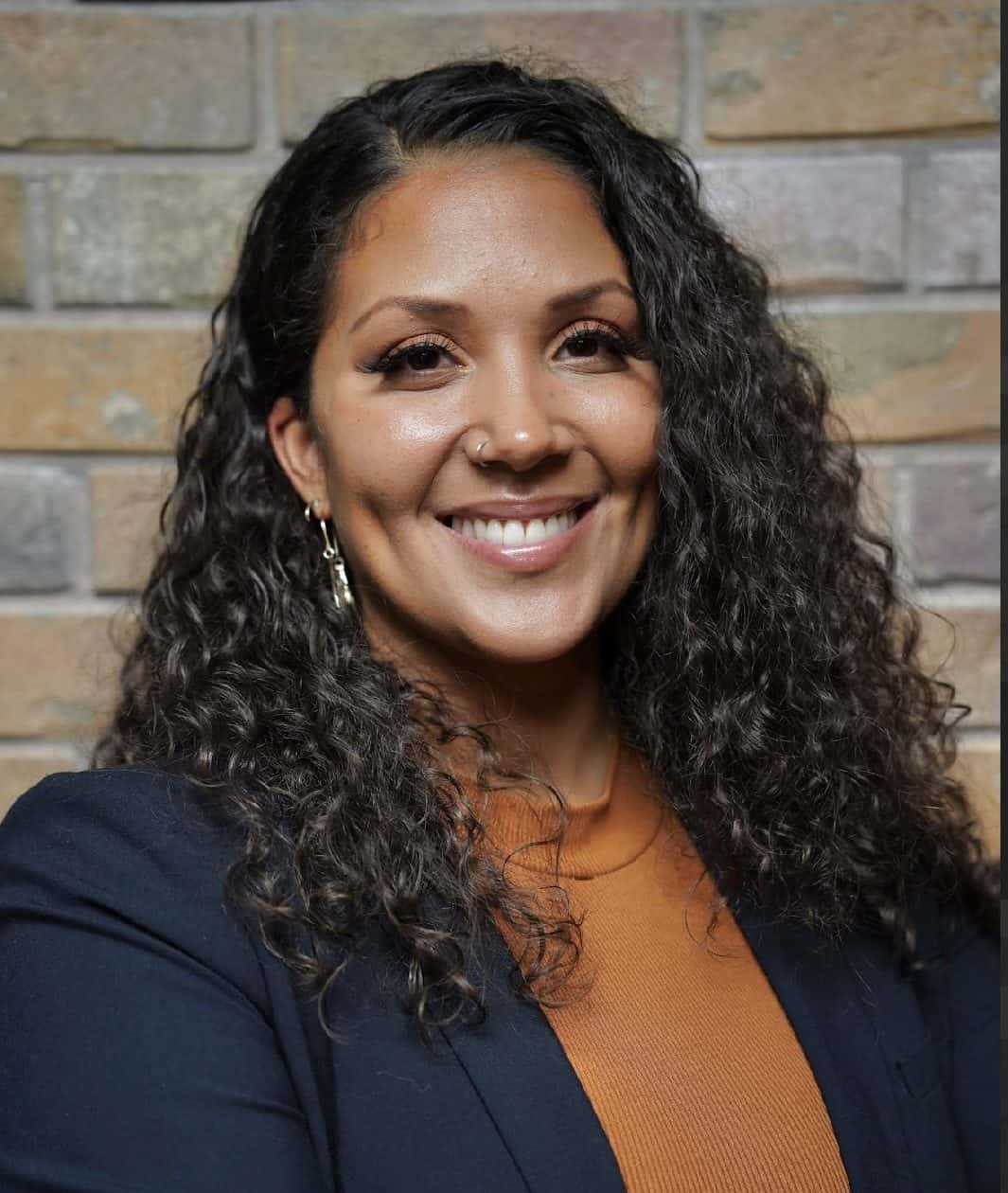
Courtney Rolle, CMHC
Clinical Mental Health Counselor