Key Takeaways
- MAT is the evidence-based gold standard for opioid use disorder treatment
- FDA-approved medications reduce cravings, prevent withdrawal, and lower overdose risk
- MAT combined with behavioral therapy produces better outcomes than either approach alone
- Common myths about MAT prevent many people from accessing lifesaving treatment
- Trust SoCal integrates MAT into comprehensive addiction treatment programs
What Is Medication-Assisted Treatment?
Medication-assisted treatment (MAT) is an evidence-based approach to addiction treatment that combines FDA-approved medications with behavioral counseling and support services. For Oxnard residents struggling with opioid or alcohol addiction, MAT represents one of the most effective treatment strategies available, with decades of research supporting its efficacy.
The World Health Organization, the Substance Abuse and Mental Health Services Administration, the National Institute on Drug Abuse, and virtually every major medical organization endorses MAT as a first-line treatment for opioid use disorder. Despite this overwhelming scientific consensus, myths and misconceptions about MAT continue to prevent many individuals from accessing treatment that could save their lives.
Trust SoCal incorporates MAT into our comprehensive treatment programs, providing Oxnard residents with access to board-certified addiction medicine physicians who specialize in medication management for substance use disorders.
FDA-Approved Medications for Opioid Use Disorder
Three FDA-approved medications are used in the treatment of opioid use disorder. Each works through a different mechanism, and the choice of medication depends on individual clinical factors, patient preference, and treatment goals.
Buprenorphine (Suboxone, Sublocade)
Buprenorphine is a partial opioid agonist that activates opioid receptors in the brain at a much lower level than full agonists like heroin or fentanyl. It reduces cravings and withdrawal symptoms without producing significant euphoria. Available as sublingual films (Suboxone) or monthly injections (Sublocade), buprenorphine can be prescribed in outpatient settings, making it the most accessible MAT option for Oxnard residents.
Methadone
Methadone is a full opioid agonist administered daily at licensed opioid treatment programs (OTPs). It effectively eliminates withdrawal symptoms and cravings when dosed properly. Methadone has the longest track record of any MAT medication, with research dating back to the 1960s demonstrating its effectiveness. Methadone must be dispensed at a licensed clinic, which may require daily visits initially.
Naltrexone (Vivitrol)
Naltrexone is an opioid antagonist that completely blocks the effects of opioids. Available as a monthly injection (Vivitrol), it eliminates the possibility of opioid intoxication and removes the daily decision point of whether to take medication. Patients must be fully detoxed from opioids for 7 to 14 days before starting naltrexone to avoid precipitated withdrawal.
MAT for Alcohol Use Disorder
MAT is not limited to opioid addiction. Three FDA-approved medications also exist for alcohol use disorder, and their use remains underutilized despite strong evidence of effectiveness.
- Naltrexone (oral or Vivitrol injection): Reduces alcohol cravings and the rewarding effects of drinking
- Acamprosate (Campral): Helps restore brain chemistry altered by chronic alcohol use and reduces post-acute withdrawal symptoms
- Disulfiram (Antabuse): Creates an unpleasant physical reaction when alcohol is consumed, serving as a deterrent to drinking
Only about 1 in 6 people who could benefit from MAT for alcohol use disorder actually receive it. If you or a loved one struggles with alcohol, ask your treatment provider about medication options.
Debunking Common MAT Myths
Stigma and misinformation about MAT remain significant barriers to treatment. Addressing these myths is essential for helping Oxnard residents make informed decisions about their recovery.
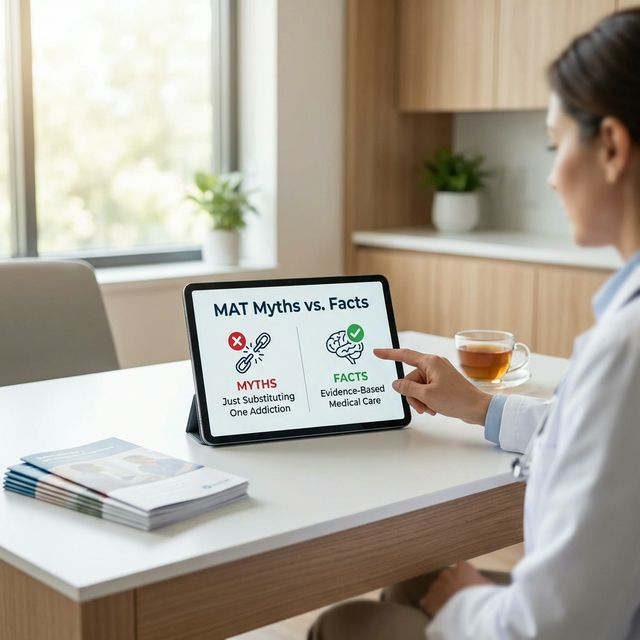
- 1Myth: MAT is just replacing one drug with another. Reality: MAT medications are prescribed at therapeutic doses that do not produce intoxication. They stabilize brain chemistry and allow individuals to function normally.
- 2Myth: You are not truly sober if you take MAT medications. Reality: Recovery is about restored functioning, health, and quality of life. MAT medications support these goals, just as insulin supports a diabetic's health.
- 3Myth: MAT is a crutch that prevents real recovery. Reality: MAT reduces overdose death risk by over 50 percent and significantly improves treatment retention. It enables recovery by stabilizing the brain.
- 4Myth: MAT should only be short-term. Reality: Clinical guidelines recommend MAT for as long as it is clinically beneficial, which may be indefinitely for some individuals. Premature discontinuation increases relapse risk.
Accessing MAT Through Trust SoCal
Trust SoCal's board-certified addiction medicine physicians evaluate each client's appropriateness for MAT during the intake process. For clients who are good candidates, medication is initiated during medical detox and can be continued throughout residential treatment, PHP, IOP, and into aftercare. Our team coordinates with outpatient providers in the Oxnard area to ensure seamless medication management after discharge.
Do not let myths about medication-assisted treatment prevent you or a loved one from accessing lifesaving care. Call Trust SoCal at (949) 280-8360 to learn how MAT can be part of your comprehensive recovery plan.

Rachel Handa, Clinical Director
Clinical Director & Therapist