Key Takeaways
- Madison offers robust addiction treatment infrastructure through UW Health, community health centers, and specialized programs focused on university populations and broader Dane County residents.
- UW-Madison's Substance Abuse and Mental Health Services provides support for students, while community-based providers serve non-students and the broader Dane County population.
- Madison's progressive culture and advocacy-oriented community provide strong recovery support networks and LGBTQ+-affirming treatment programs.
- Young adult and college-focused addiction treatment is particularly well-developed in Madison due to the university presence.
- Wisconsin Medicaid and most private insurance covers comprehensive addiction treatment in Madison through multiple providers.
- Madison residents considering out-of-state treatment can access Southern California programs through Trust SoCal at (949) 280-8360.
Substance Use in the University City Context
Madison, home to the University of Wisconsin and Wisconsin's seat of state government, presents a unique addiction landscape shaped by young adult prevalence, college culture normalizing alcohol and drug use, and the particular stressors of academic competition and career uncertainty. UW-Madison's 45,000+ students, spread across a city of approximately 260,000, create a demographic bulge of young adults in their peak years of addiction vulnerability. The university's progressive culture, while fostering openness about mental health and substance use issues, can paradoxically normalize substance use and delay intervention in students who view experimenting with drugs and alcohol as a normative part of college life.
Beyond the university, Madison and Dane County residents experience the same opioid, alcohol, and methamphetamine epidemics affecting the broader Midwest. The state capital brings government workers, many under significant stress, who may turn to substances as coping mechanisms. The city's relatively strong economy and lower unemployment rates compared to other Midwest cities may mask substance use that crosses socioeconomic lines. Madison's reputation as a "progressive paradise" can create cognitive dissonance for residents struggling with addiction, who internalize messages that substance use problems should not occur in an educated, politically engaged community.
The intersectionality of addiction in Madison is complex. Young adults navigate developmental transitions complicated by substance use. LGBTQ+ individuals, who represent a higher proportion of Madison's population than many other Midwest cities, may use substances as coping mechanisms for minority stress despite living in a relatively affirming community. First-generation and low-income college students, who face unique academic and social pressures, may be particularly vulnerable to substance use. International students, isolated from support networks, may use substances to manage homesickness and acculturation stress.
UW-Madison students can access substance abuse services through University Health Services and the Substance Abuse and Mental Health Services office. Non-students and community members can access Glenbeigh (a major Madison treatment provider), community health centers, and Dane County services. For all residents, the Wisconsin SAMHIC at 1-800-892-2925 provides referrals.
University-Based Treatment and Support Services
The University of Wisconsin-Madison recognizes that substance use disorders are health issues affecting significant proportions of its student population. University Health Services operates a Substance Abuse and Mental Health Services program specifically designed for university students. These services are typically free or low-cost for enrolled students with UW health insurance. Early intervention programs identify at-risk students through academic performance monitoring and conduct brief interventions. Residential treatment referrals are available for students needing more intensive care, with coordination between university services and community-based treatment providers.
UW-Madison's approach emphasizes the integration of substance use assessment and treatment into primary care, recognizing that many students will first disclose substance use concerns to primary care providers rather than mental health specialists. The university also operates peer education and prevention programs, though these programs' effectiveness in reducing substance use among students remains debated. For UW-Madison students, the advantage of university-based services is their understanding of the unique pressures and dynamics of student life, their integration into campus mental health systems, and their knowledge of how substance use intersects with academic performance and student development.
UW-Madison Resources for Students
The University of Wisconsin-Madison offers several resources for students struggling with substance use, integrated within the broader student health and mental health services infrastructure.
- Substance Abuse and Mental Health Services providing screening, brief intervention, and referral to treatment for UW-Madison students
- University Health Services primary care clinics conducting substance use screening and brief intervention during routine medical visits
- Peer support and recovery communities including student-led recovery groups and connections to campus-based recovery housing
- Referral pathways to community-based treatment providers for students needing residential or intensive outpatient care beyond campus-based services
Community-Based Treatment in Madison and Dane County
For non-students and community members in Dane County, Madison offers robust community-based addiction treatment through multiple providers. Glenbeigh, a major Wisconsin treatment organization, operates facilities in Madison providing detoxification, residential, outpatient, and recovery home services. Dane County Mental Health Services provides publicly funded treatment through a network of providers serving Dane County residents regardless of insurance status. Community health centers including SSM Health offer behavioral health services integrated with primary care. Several private outpatient practices provide addiction counseling and some offer buprenorphine treatment.
Madison's relatively strong healthcare infrastructure, driven in part by the presence of UW Health and other academic medical centers, provides advantages in terms of treatment quality and availability. Providers in Madison are more likely to be trained in evidence-based addiction medicine than providers in smaller Wisconsin communities. Medication-assisted treatment is available through multiple providers. Residential treatment capacity, while sometimes limited by demand, is more robust in Madison than in smaller cities.
Dane County residents can access the Wisconsin SAMHIC at 1-800-892-2925 for free, confidential referrals to treatment programs with current availability. Private insurance holders should verify coverage by calling their insurance provider's behavioral health line.
Recovery Community and Support Networks in Madison
Madison has one of the most active and diverse recovery communities in Wisconsin. Alcoholics Anonymous meetings are held throughout the city and Dane County. Narcotics Anonymous meetings serve opioid and stimulant users. SMART Recovery offers an evidence-based self-empowerment alternative to 12-step programs. Refuge Recovery, with Buddhist-inspired philosophy, appeals to individuals seeking spiritual but non-religious recovery frameworks. Recovery meetings for specific populations including LGBTQ+ individuals, young adults, and professionals meet regularly. The recovery community in Madison benefits from the city's progressivism, which reduces stigma around attending recovery meetings and being publicly identified as someone in recovery.
Madison's nonprofit ecosystem includes advocacy organizations, recovery organizations, and peer support programs. Recovery centers offer sober social activities, employment support, and housing assistance for individuals in early recovery. The presence of UW-Madison and the city's cultural institutions including theaters, museums, and outdoor recreation opportunities provides abundant sober social activities. Peer support networks, both in-person and online, connect individuals in recovery across Dane County and beyond. The city's bike culture and emphasis on outdoor recreation creates natural outlets for physical activity and stress relief that support recovery.
Madison Recovery Resources
Madison and Dane County residents have access to diverse recovery support organizations and meeting communities. These resources provide ongoing connection and support essential for sustained sobriety.
- Madison Intergroup providing AA and NA meeting schedules, sponsorship connections, and 12-step community support throughout Dane County
- SMART Recovery and Refuge Recovery meetings offering non-12-step recovery frameworks with active Madison chapters
- Recovery community organizations providing peer support, employment assistance, and housing support for individuals in recovery
- NAMI Madison offering support groups and education for individuals and families navigating co-occurring mental health and substance use conditions
- Online recovery communities and telehealth-based support supplementing in-person local networks
Specialized Programming in Madison
Madison offers specialized addiction treatment programming for specific populations. Young adult and college-focused programs address the particular developmental needs and challenges of 18-25-year-olds. LGBTQ+-affirming treatment programs in Madison recognize that sexual and gender minorities often experience elevated rates of substance use driven by minority stress and discrimination. Gender-specific programming for women addresses trauma, parenting challenges, and reproductive health concerns. Professionals and executives have access to specialized programs addressing workplace stressors and the particular shame and professional consequences associated with addiction in high-status positions.
Pregnant women and mothers can access integrated obstetric and addiction care, essential for supporting women in this particularly vulnerable population. Individuals with co-occurring mental health conditions including depression, anxiety, and bipolar disorder can access integrated dual-diagnosis treatment from providers trained in both psychiatric and addiction medicine. Veterans can access VA health services through the William S. Middleton Memorial Veterans Hospital in Madison.
As a UW-Madison student, I thought my substance use was just normal college behavior. But when I started missing classes and my grades collapsed, I finally reached out. University Health Services took me seriously, provided treatment, and helped me understand that I had a real problem that deserved real help. That intervention changed my life.
— UW-Madison alumnus in long-term recovery
Insurance and Financial Considerations
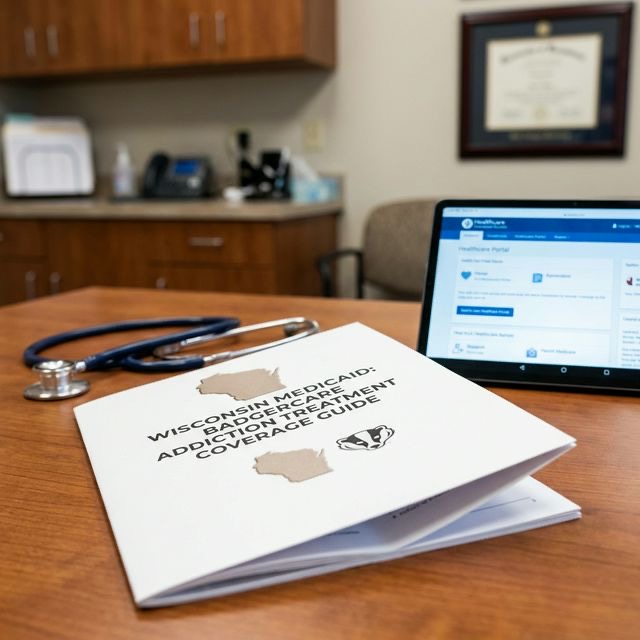
Dane County residents have multiple pathways to accessing insurance coverage for addiction treatment. Wisconsin Medicaid, covering low-income and disabled individuals, provides comprehensive substance use disorder benefits. UW-Madison students have access to university health insurance. Private insurance holders should verify coverage through their insurance carrier. For uninsured or underinsured individuals, Dane County Mental Health Services and community health centers provide sliding-scale or free services. The Mental Health Parity and Addiction Equity Act requires insurance plans to cover substance use disorder treatment at levels comparable to medical and surgical benefits.
Madison residents considering out-of-state treatment should verify insurance coverage before admission. Trust SoCal at (949) 280-8360 can assist with insurance verification for Dane County residents seeking treatment in Southern California. Some insurance plans have broader out-of-network coverage for out-of-state treatment than for in-state services, creating opportunities for coverage of specialized programs unavailable locally.
The Role of Madison's Progressive Culture in Recovery
Madison's reputation as a progressive, politically engaged community creates both advantages and complications for addiction recovery. The advantages include strong advocacy for mental health and addiction services, LGBTQ+-affirming institutions and providers, and reduced stigma around mental health and substance use issues compared to more conservative communities. The disadvantages include the risk that progressive culture can normalize substance use as an acceptable aspect of youthful exploration, and the cognitive dissonance that educated, progressive individuals sometimes experience when confronted with their own addiction.
The city's extensive recovery community, fed in part by its progressive values and strong nonprofit ecosystem, provides robust peer support networks. Advocacy organizations including the Madison-Dane County Recovery Alliance work toward systemic improvements in treatment access and recovery support. Peer leaders in Madison's recovery community are often vocal advocates for policy change and community investment in treatment and recovery services.

Rachel Handa, Clinical Director
Clinical Director & Therapist