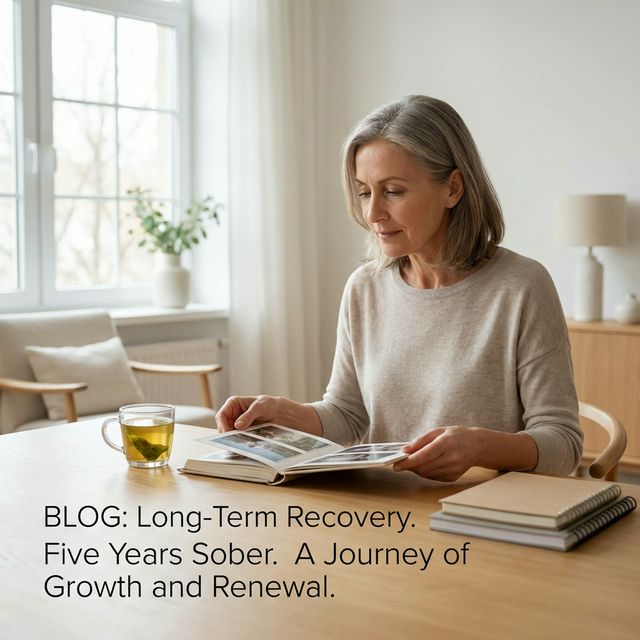
Key Takeaways
- Long-term recovery is characterized by continued growth, deepening self-awareness, and an expanding capacity for joy and connection.
- The risk of relapse decreases but never reaches zero, making ongoing vigilance and recovery practice important even after years of sobriety.
- Many people in long-term recovery describe their lives as richer and more meaningful than anything they experienced before addiction.
- Giving back through mentorship, sponsorship, and community involvement becomes a central source of purpose in long-term recovery.
- Complacency is the primary threat in long-term recovery, as the urgency of early sobriety naturally fades over time.
The Reality of Long-Term Recovery
When you are in the early days of recovery, five years of sobriety seems impossibly distant. The daily effort of not using, the intensity of cravings, the upheaval of rebuilding your life, all of it makes long-term recovery feel like an abstract concept rather than a achievable reality. But thousands of people reach this milestone and beyond, and their experiences reveal a rich, nuanced picture of what sustained sobriety actually looks like.
Long-term recovery is not a state of arrival. There is no moment where you have made it and can stop doing the work. Instead, it is a continuously evolving process of growth, challenge, and deepening self-understanding. The nature of the work changes; you are no longer fighting daily cravings or learning basic coping skills. Instead, you are refining your emotional intelligence, deepening your relationships, pursuing meaningful goals, and contributing to the recovery of others.
At Trust SoCal, we have the privilege of walking with clients from their first day of treatment through years of sustained recovery. Our alumni community includes individuals with five, ten, and twenty or more years of sobriety, and their stories consistently reveal that long-term recovery is not merely the absence of substance use. It is the presence of a life that is fully, authentically lived.
What Changes After Five Years
By the five-year mark, most people in recovery have undergone a profound transformation that extends far beyond sobriety. The frantic energy of early recovery, the constant self-monitoring, the intense emotional swings, have settled into something calmer and more sustainable. You know yourself better than you ever have. You have developed a set of coping skills that work reliably under stress. Your relationships are healthier and more authentic. You have a sense of identity that is no longer defined by addiction.
Emotional Maturity
Five years of recovery produces a level of emotional maturity that many people did not develop during their years of active addiction, when substances were used to bypass difficult emotions rather than process them. By this point, you have sat with grief, anger, anxiety, and disappointment repeatedly without using substances, and each experience has deepened your capacity to handle the next one. You have learned that emotions are temporary states, not permanent conditions, and that discomfort is not dangerous.
This emotional growth extends into every area of your life. You communicate more effectively. You resolve conflict more constructively. You experience joy more deeply because you also experience pain more deeply. The emotional flatness of early recovery is long gone, replaced by a full spectrum of human feeling that is both richer and more manageable than anything you experienced during active addiction.
Relationships and Connection
Long-term recovery often produces the most meaningful relationships of your life. Five years of consistently showing up, being honest, maintaining boundaries, and treating others with respect creates a track record that builds deep trust. Relationships that were damaged by addiction may have healed significantly. New relationships built in sobriety are founded on authenticity and mutual respect rather than shared dysfunction.
Many people in long-term recovery describe their friendships, particularly those within the recovery community, as the most genuine connections they have ever experienced. These relationships were forged in vulnerability and sustained through honesty, creating a bond that is qualitatively different from the superficial connections that characterized active addiction.
Career and Purpose
By five years, many people in recovery have made significant professional progress. The reliability, discipline, and interpersonal skills developed through recovery translate directly into career success. Some people have advanced in existing careers. Others have changed careers entirely, sometimes moving into the addiction treatment field itself, driven by a desire to use their experience to help others.
Purpose and meaning have typically expanded beyond personal sobriety to encompass broader contributions. Sponsoring newcomers, volunteering in the recovery community, supporting family members of people with addiction, or engaging in advocacy and education are common ways that people in long-term recovery channel their experience into service.
Challenges That Persist in Long-Term Recovery
Long-term recovery is not a challenge-free existence. Life continues to present difficulties, and the skills you developed in recovery must be maintained and refined to meet them. Understanding the specific challenges that persist or emerge in long-term recovery helps you prepare for them rather than being caught off guard.
Complacency
Complacency is widely regarded as the greatest threat to long-term recovery. As years pass without a craving or close call, it is natural to conclude that you have conquered addiction and no longer need the practices that sustain your sobriety. Meeting attendance decreases. Therapy ends. The relapse prevention plan gathers dust. Contact with your sponsor becomes sporadic. This gradual erosion of recovery infrastructure creates vulnerability that may not become apparent until a significant life stressor exposes it.
Guarding against complacency requires intentional effort. Continue attending meetings, even if less frequently than in early recovery. Maintain your relationship with your sponsor or mentor. Stay connected to the recovery community. Regularly review your relapse prevention plan. The practices that keep you sober at five years are the same practices that got you sober in the first year; only the intensity and frequency may change.
Major Life Transitions
Life does not stop presenting challenges because you are in recovery. Divorce, job loss, death of a loved one, serious illness, financial setbacks, and other major stressors can shake even the most solid recovery. The difference at five years is that you have a proven track record of navigating difficulty without substances and a set of tools and supports you can deploy when crisis arrives. However, these resources only work if you use them.
When facing a major life transition, temporarily increase your recovery activities. Return to daily meeting attendance if needed. Resume or increase therapy sessions. Reach out to your sponsor and support network proactively. Acknowledge that you are in a high-risk period and respond accordingly. Long-term sobriety does not make you immune to relapse; it makes you well-equipped to prevent it.
The Gifts of Long-Term Recovery
For all its challenges, long-term recovery offers gifts that are difficult to convey to someone who has not experienced them. The freedom from obsessive thinking about substances. The ability to be fully present for life moments, from your child first steps to a sunset over the Pacific. The deep satisfaction of helping another person find their way into recovery. The quiet confidence that comes from knowing you have faced the hardest thing in your life and chosen a different path.
Many people in long-term recovery describe a gratitude that permeates their daily experience. Not the forced gratitude of early recovery, where you list things to be grateful for because your therapist told you to, but an organic, spontaneous appreciation for experiences that addiction nearly took from you. This gratitude is not constant; bad days still happen. But it is the background rhythm of a life lived with intention and integrity.
Trust SoCal celebrates every milestone of recovery, from the first 24 hours to decades of sustained sobriety. If you are early in your journey, know that the life waiting for you beyond five years is worth every difficult moment between here and there. If you are ready to take the first step or if you need support continuing the journey you have already begun, call us at (949) 280-8360.
At five years sober, I realized that recovery did not give me my old life back. It gave me a completely new one that I never could have imagined while I was using. The life I have today is bigger, richer, and more real than anything I knew before.
— Trust SoCal Alumni
Advice from People in Long-Term Recovery
People who have maintained sobriety for five years or more consistently offer several pieces of advice to those earlier in the journey. First, never take your sobriety for granted. The moment you believe you cannot relapse is the moment you become most vulnerable. Second, stay connected to the recovery community. Isolation remains dangerous at any stage of recovery. Third, continue to grow. Recovery is not about maintaining a static state; it is about continuous personal development.
Fourth, give back. Helping others in recovery is not just altruism; it is one of the most powerful tools for maintaining your own sobriety. Fifth, be patient with yourself. Recovery is not linear, and difficult periods do not mean you are failing. Sixth, seek help when you need it. Long-term recovery does not mean you should be able to handle everything alone. Asking for help, whether from a therapist, sponsor, or treatment program, is a sign of strength at any stage.
- Never stop going to meetings entirely, even if you reduce frequency
- Maintain a relationship with a sponsor or mentor who will challenge you
- Review and update your relapse prevention plan annually
- Continue therapy, especially during stressful life transitions
- Invest in new areas of personal growth: education, creativity, physical challenges, spiritual exploration
- Give back through sponsorship, mentorship, or service in the recovery community
- Protect your recovery as your highest priority, always

Rachel Handa, Clinical Director
Clinical Director & Therapist