

Key Takeaways
- Clackamas County (Lake Oswego, Tigard, Tualatin) has grown significantly, with corresponding expansion of community health and addiction treatment services.
- South metro programs emphasize family involvement, recognizing that many clients are parents balancing treatment with family responsibilities.
- Access to MAX Orange Line improves connectivity for south metro residents to downtown Portland treatment resources.
- Community health centers in suburban locations often have shorter wait times and more flexible scheduling than downtown Portland programs.
- For south metro residents preferring residential treatment, both Portland and California options are accessible.
South Metro Growth and Treatment Development
The southern Portland metro area, encompassing Clackamas County cities including Lake Oswego, Tigard, Tualatin, Oregon City, and Milwaukie, represents one of the fastest-growing regions in Oregon. Affluent communities like Lake Oswego and Tigard have attracted families, professionals, and retirees, driving rapid development of services including healthcare and behavioral health.
Addiction and mental health challenges affect south metro residents across socioeconomic levels, though visible homelessness and substance use are less prominent than in downtown Portland. Many south metro residents with addiction seek treatment discreetly through community health centers and private providers rather than publicly funded programs. This demographic creates an opportunity for suburban-based treatment specializing in employed, insured, and family-focused clients.
Access improvements through the MAX Orange Line, which opened in 2015 connecting Milwaukie to downtown Portland, improved connectivity between south metro residents and the broader Portland treatment network. Simultaneously, local program expansion has created options for individuals seeking treatment near their homes and families.
South metro has excellent suburban treatment options. For help navigating Lake Oswego, Tigard, or broader metro options, call Trust SoCal at (949) 280-8360.
South Metro Communities and Demographics
The south metro encompasses diverse communities with varying characteristics and treatment needs.
- Lake Oswego: Affluent suburban community, approximately 40,000 population.
- Tigard: Larger suburban city, approximately 60,000 population.
- Tualatin: Growing suburban community, approximately 27,000 population.
- Milwaukie: Urban city in Clackamas County, approximately 20,000 population.
- Oregon City: County seat, approximately 37,000 population.
- Demographics: Mix of affluent suburbs and working-class communities.
South Metro Outpatient and Community Health Programs
Outpatient addiction treatment in the south metro is provided primarily through community health centers and private providers. Clackamas County operates a behavioral health division overseeing publicly funded services. Many community health centers accept Oregon Health Plan, commercial insurance, and provide sliding-scale fees for uninsured individuals.
The quality of outpatient programs in the south metro is high, with many clinicians holding advanced credentials and specializing in dual diagnosis treatment. Evening and weekend hours accommodate working individuals. Virtual session options expand accessibility further. For individuals not requiring residential treatment, south metro outpatient options are often convenient and clinically excellent.
Specific advantages of south metro programs include smaller caseloads compared to downtown Portland, shorter wait times for appointments, suburban setting reducing triggers associated with downtown areas, and family-focused programming addressing the reality that many clients are parents.
South metro outpatient programs offer excellent care with shorter wait times than downtown Portland. For residential treatment, you have options on the south side or in downtown Portland and beyond.
Residential Treatment and Family-Inclusive Care
Residential treatment options in the south metro are more limited than in downtown Portland, but several programs operate in the region. Some programs specifically serve parents in treatment, offering on-site childcare, flexible visitation policies, and family therapy. Others specialize in women-specific treatment addressing trauma, parenting, and substance use.
For south metro residents requiring residential treatment, local options provide convenience and family connection. For those whose clinical presentation suggests benefit from geographic separation or access to more specialized programming, Portland and California options are accessible. The MAX Orange Line provides reliable transportation for family visits and outpatient follow-up appointments.
Family-Inclusive Residential Programs
South metro programs increasingly offer family-focused residential options recognizing that parents in treatment need options that maintain family connection.
- Programs allowing children on-site or nearby foster care arrangements.
- Flexible family visitation policies supporting parent-child relationships.
- Family therapy integrated into residential treatment.
- Parenting education and trauma-informed approaches for mothers and fathers.
- Coordination with child protective services when mandated involvement exists.
MAX Orange Line and South Metro Connectivity
The MAX Orange Line connects Milwaukie directly to downtown Portland, enabling south metro residents to access downtown programs without personal transportation. The line runs every 15 minutes during peak hours and every 30 minutes off-peak, providing reliable access to the metro's full treatment network. For families supporting a loved one in treatment, MAX connectivity facilitates frequent visits and participation in family sessions.
Understanding MAX schedules and which treatment facilities are MAX-accessible helps south metro residents coordinate treatment and family participation. Treatment coordinators can identify MAX-friendly programs or help arrange family transportation for appointments.
MAX Orange Line connects south metro to downtown Portland treatment resources. If treatment is downtown, you can use MAX to support family visits and treatment engagement.
Affluent Communities and Addiction Treatment Barriers
Affluent south metro communities like Lake Oswego face unique barriers to addiction treatment. Stigma is often higher in communities where substance use is less visible. Fear of community discovery may delay treatment-seeking. Denial of illness is sometimes enabled by affluence: individuals in denial may delay treatment because they believe financial resources will provide alternative solutions. Families may go to great lengths to hide addiction rather than seeking treatment.
Ironically, affluent communities have significant addiction and mental health burden, though often hidden. Private treatment providers in the south metro cater specifically to this population, offering confidentiality, discreet locations, and treatment approaches appropriate for employed professionals and their families.
Trust SoCal's recognition that addiction does not respect socioeconomic status means we treat clients from affluent and working-class backgrounds with equal clinical excellence and appropriate respect for their individual circumstances.
In Lake Oswego, people pretend addiction doesn't happen. When it did happen to me, I needed treatment far from my community where nobody knew me. California treatment gave me privacy and fresh start.
— Lake Oswego resident in recovery
Teen and Young Adult Substance Use in South Metro
Affluent south metro suburbs have seen increases in youth and young adult substance use, particularly involving prescription opioids, benzodiazepines, and fentanyl. Young people in these communities often have access to significant money and cars, creating opportunities for substance acquisition. The academic pressure environment and competitive culture of south metro schools may contribute to stress-related substance use and mental health challenges.
Young adult-specific treatment programs serve this population effectively. Programs combining structure, accountability, education support, and family involvement show good outcomes. Many south metro families choose out-of-state treatment for young adults to provide geographic separation and specialized young adult programming.
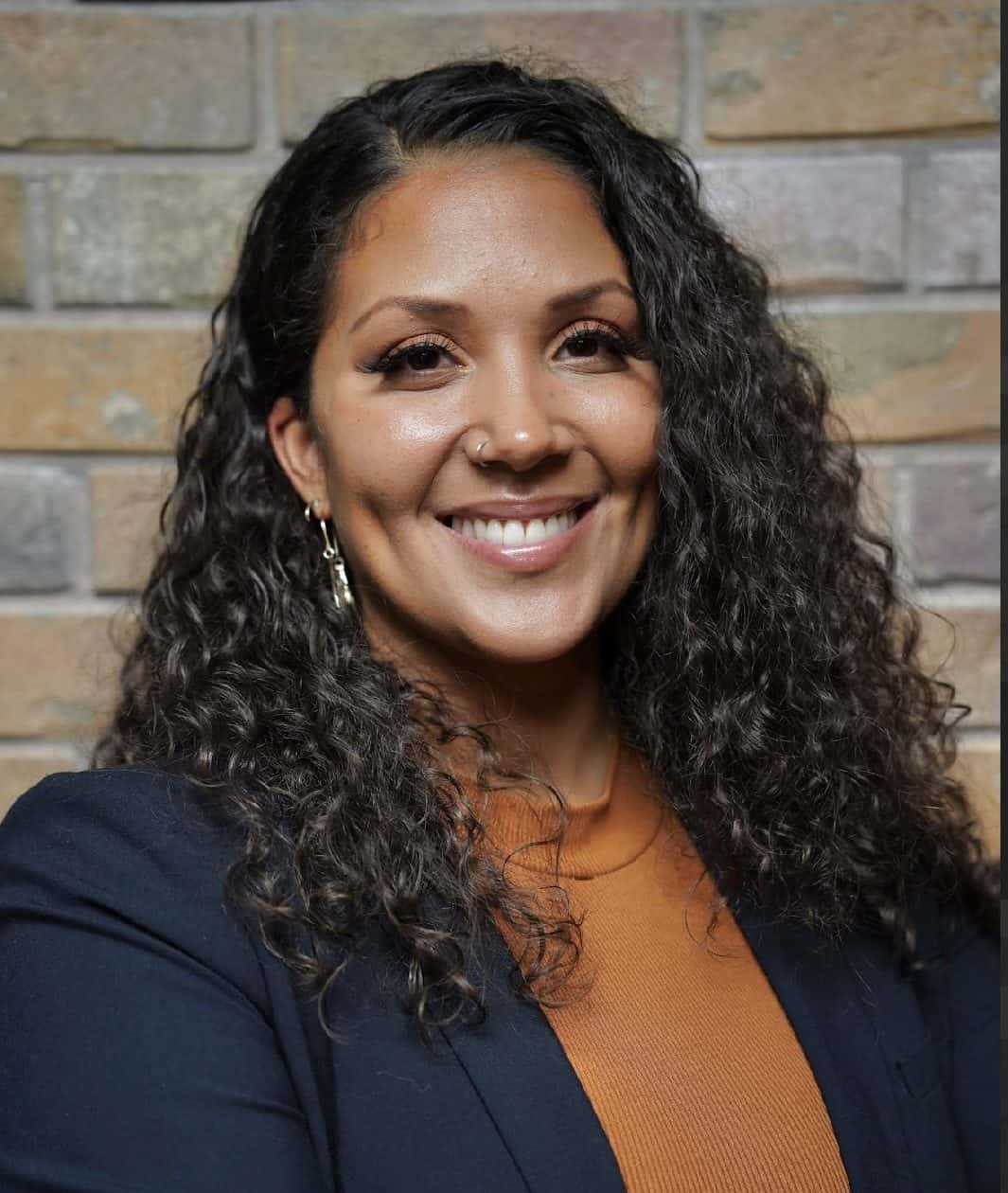
Courtney Rolle, CMHC
Clinical Mental Health Counselor