Key Takeaways
- Fentanyl is 50-100 times more potent than heroin and now dominates Kentucky's illicit opioid supply.
- Fentanyl-involved overdose deaths have increased dramatically across Kentucky, with the drug involved in the majority of opioid deaths.
- Counterfeit pills containing fentanyl are commonly sold as legitimate medications, increasing overdose risk.
- Naloxone (Narcan) distribution has expanded across Kentucky, but awareness and access remain inconsistent.
- Kentucky's Good Samaritan laws protect individuals who call 911 for overdose emergencies.
- Medication-assisted treatment combined with behavioral therapy offers the most effective approach to fentanyl addiction.
Fentanyl's Emergence in Kentucky Drug Markets
Fentanyl, a synthetic opioid 50-100 times more potent than morphine, has revolutionized Kentucky's illicit drug markets. Beginning around 2013-2014, fentanyl started appearing in heroin supplies, mixed inconsistently and often unknown to users. By the late 2010s, fentanyl had become dominant, appearing not only in heroin but in counterfeit pills.
The shift to fentanyl was driven by economics: it's more potent than heroin, so smaller quantities transport and sell more profitably. For users, it represents dramatically increased overdose risk. A dose the size of a few grains of salt can be lethal, and users cannot detect fentanyl before consumption.
This transformation has made overdose prevention and treatment urgently critical. Kentucky residents using opioids now face unprecedented overdose risk, making naloxone access and treatment essential.
Fentanyl-contaminated drugs are extremely dangerous. Always carry naloxone (Narcan) if you use opioids and consider using in the presence of others. Call 911 immediately for suspected overdose.
Overdose Prevention and Naloxone Access
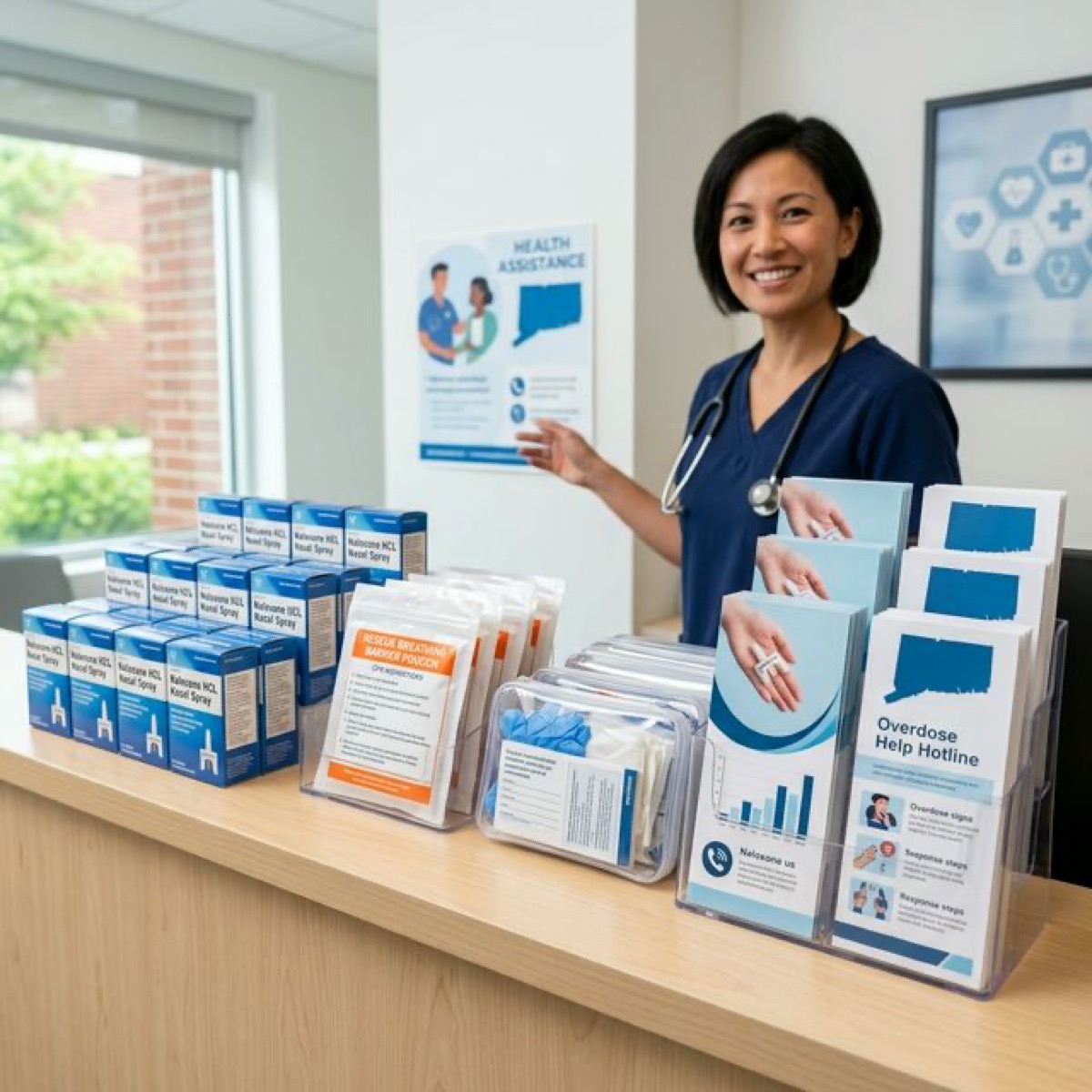
Naloxone (Narcan) is a medication that rapidly reverses opioid overdoses by blocking opioid receptors and restoring normal breathing. Naloxone has no psychoactive effects and cannot be abused, making it safe for overdose reversal. Kentucky has expanded naloxone distribution through community programs, harm reduction organizations, and pharmacies.
Overdose response with naloxone is straightforward: inject or spray according to package directions, call 911 immediately, and stay with the person until emergency services arrive. Multiple doses may be necessary with fentanyl overdoses.
Kentucky's Good Samaritan law protects individuals who call 911 for overdoses, meaning you cannot be prosecuted for possession if calling for help. This legal protection is essential for ensuring people call for help rather than leaving someone to die for fear of prosecution.
Fentanyl test strips can indicate the presence of fentanyl before consumption, providing crucial information to reduce overdose risk. Strips are available through harm reduction programs and some pharmacies throughout Kentucky.
Treatment for Fentanyl Addiction
Fentanyl addiction requires comprehensive treatment combining medication, behavioral therapy, and long-term support. Medication-assisted treatment with buprenorphine or methadone is the gold standard, as these medications prevent withdrawal and cravings without producing fentanyl's euphoria.
Buprenorphine, a partial opioid agonist, can be prescribed in office-based settings by waivered providers. The medication has lower overdose risk than full agonists. Many Kentucky providers now offer buprenorphine with good insurance coverage.
Methadone remains highly effective for severe fentanyl addiction through licensed opioid treatment programs (OTPs). Once-daily dosing prevents withdrawal for 24+ hours.
The combination of medication-assisted treatment with therapy, counseling, psychiatric care, and community support produces the best long-term outcomes. Treatment in comprehensive programs, whether in Kentucky or California, provides the integrated approach most likely to result in sustained recovery from fentanyl addiction.

Trust SoCal Editorial Team, Clinical Review Board
Editorial & Clinical Review