Key Takeaways
- Nampa offers diverse treatment options from outpatient programs to residential facilities
- Local support groups meet daily providing free peer support and accountability
- Community organizations and nonprofits provide additional recovery resources and advocacy
- Nampa's growing treatment infrastructure reduces barriers to accessing quality care
- Integration of local healthcare systems improves access to medication-assisted treatment
Understanding Addiction in Nampa and Canyon County
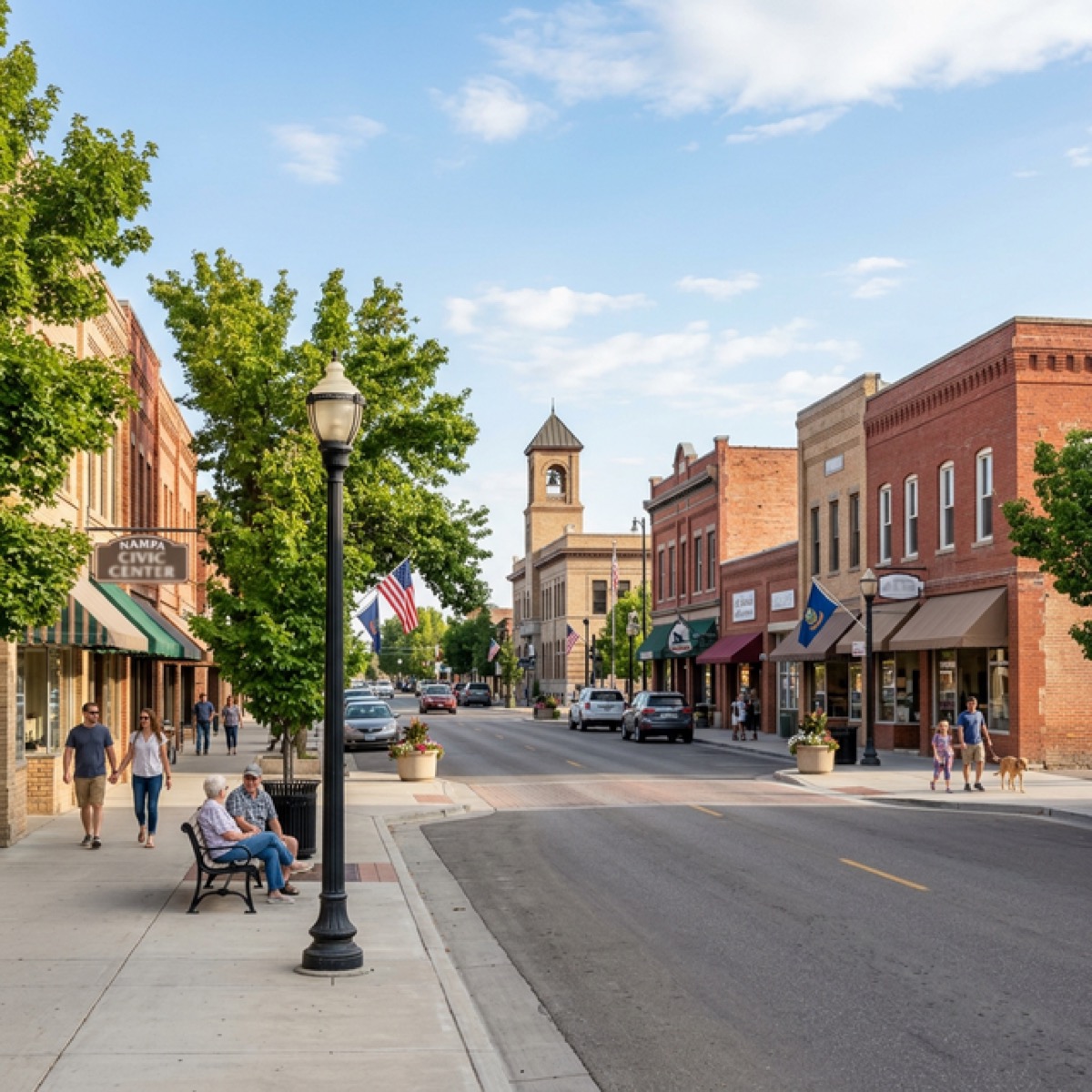
Nampa, Idaho's second-largest city, faces substance abuse challenges mirroring national trends. Methamphetamine, opioids, and alcohol addiction affect residents across all demographics. Canyon County has invested in treatment infrastructure recognizing addiction's impact on community health and safety.
As Nampa grows, so does treatment capacity. Local healthcare providers now offer evidence-based treatment, medication assistance, and integrated mental health services. Unlike many small Idaho towns, Nampa residents access professional addiction medicine specialists and trained counselors.
For guidance on treatment options in Nampa, contact Trust SoCal at (949) 280-8360. We can help you navigate local resources and find the best fit for recovery needs.
Local Addiction Statistics and Trends
Methamphetamine production in surrounding regions makes meth addiction prevalent in Nampa. Opioid prescriptions and overdoses continue rising. Alcohol addiction remains widespread across age groups.
- Methamphetamine is the primary drug of concern in Canyon County
- Opioid-related overdoses increasing 15-20% annually
- Alcohol addiction affects working-age adults predominantly
- Youth substance use involves vaping and prescription misuse
Why Nampa Residents Delay Treatment
Cost, stigma, and limited perceived options prevent many Nampa residents from seeking help. Some believe treatment doesn't work or that they must "hit bottom" before changing. Awareness of available treatment options removes these barriers.
- Many treatment facilities offer low-cost or sliding-scale options
- Evidence shows early intervention produces better outcomes than waiting
- Recovery is possible regardless of "bottom" reached
- Professional treatment works when person is ready to change
Treatment Programs Available in Nampa
Nampa has expanded treatment options in recent years. Outpatient programs, intensive day programs, and residential treatment all serve local residents. Merle West Medical Center and other healthcare providers offer integrated addiction treatment alongside general medical care.
Treatment programs in Nampa employ licensed counselors, social workers, and some include physicians specializing in addiction medicine. This growth means Nampa residents no longer must travel to Boise for professional help.
When choosing a treatment program, verify licensing, accreditation, and insurance acceptance. Ask about staff credentials and treatment approaches used.
Outpatient and Intensive Outpatient Programs
Nampa outpatient programs serve people maintaining employment and family responsibilities. Intensive outpatient programs (IOP) provide 9-20 hours weekly treatment while allowing normal daily functioning.
- Standard outpatient: weekly therapy appointments
- Intensive outpatient: 9-20 hours weekly group and individual therapy
- Flexible scheduling accommodates work and family commitments
- Lower cost than residential programs
Residential and Inpatient Programs
Nampa and surrounding areas have residential treatment facilities providing 28-90 day immersive care. These programs remove patients from triggering environments providing intensive therapy and structure.
- 24/7 medical supervision and support
- Comprehensive detoxification if needed
- Individual and group therapy daily
- Relapse prevention and life skills training
Support Groups and Peer Recovery in Nampa
Nampa has strong peer recovery communities with meetings daily throughout the city. AA, NA, and alternative support programs provide free community and accountability. Attending meetings early in recovery significantly improves long-term outcomes.
The peer recovery community in Nampa is welcoming and inclusive. Newcomers to recovery find support, practical guidance, and relationships with others pursuing sobriety. Many people credit support group participation with their ongoing recovery success.
Try multiple support groups to find communities where you feel comfortable. Different meetings have different personalities and atmospheres.
Twelve-Step Meetings in Nampa
AA and NA meetings occur daily in Nampa. These free, peer-led meetings provide community and accountability supporting sustained recovery.
- Multiple meetings daily in various neighborhoods
- Meetings for different groups: men, women, young adults, professionals
- Free with no membership fees
- Sponsor relationships provide one-on-one support
Alternative Support Models
SMART Recovery, LifeRing, and Refuge Recovery offer alternatives to traditional 12-step approaches. These programs emphasize personal empowerment and science-based recovery.
- SMART Recovery: self-directed recovery with specific tools
- LifeRing: emphasis on community and mutual support
- Refuge Recovery: meditation-based recovery work
- All free or low-cost
Mental Health Integration and Dual Diagnosis Care
Many Nampa residents with substance use disorders also experience anxiety, depression, or PTSD. Integrated treatment addressing both addiction and mental health produces better outcomes. Some Nampa providers now offer dual-diagnosis treatment.
Finding providers trained in dual-diagnosis care in Nampa requires asking specifically. Look for programs with psychiatrists on staff and therapists trained in treating co-occurring conditions.
Untreated mental health conditions drive 60-70% of relapses. Ensure your chosen treatment program addresses any depression, anxiety, or trauma alongside addiction.
Depression and Anxiety Treatment
Selective serotonin reuptake inhibitors (SSRIs) and other antidepressants help stabilize mood supporting recovery. Behavioral therapy teaches coping skills for anxiety and depression.
- Psychiatric medication evaluation determines appropriate treatment
- SSRIs reduce anxiety and depression 60-80%
- Cognitive-behavioral therapy teaches coping strategies
- Regular monitoring prevents medication-related complications
Trauma and PTSD-Focused Treatment
Many people with addiction histories experienced significant trauma. Nampa providers increasingly offer trauma-informed care and specialized PTSD treatment.
- EMDR and trauma-focused CBT show 70%+ effectiveness
- Trauma-informed approach reduces re-traumatization risk
- Safety and trust-building are essential first steps
- Healing from trauma supports addiction recovery
Community Organizations and Recovery Advocacy
Beyond formal treatment and peer support, Nampa has community organizations advocating for people with addiction and recovery. These organizations provide education, harm reduction services, and community connection.
Organizations like NAMI Nampa provide education to families and mental health support. Other nonprofits offer peer mentoring, recovery housing, and reintegration services helping people rebuild lives after treatment.
Recovery happens in community. We need treatment, peer support, family education, and community commitment to create lasting change.
— Nampa Recovery Community Advocate
Education and Prevention Organizations
Organizations in Nampa provide substance abuse education and prevention programming in schools and community settings. Family education programs help loved ones understand addiction and support recovery.
- Community education reduces stigma and increases understanding
- Family education prevents enabling behaviors
- Youth prevention programs address early substance use
- Overdose response training and naloxone distribution
Recovery Housing and Reintegration Services
Some Nampa organizations offer recovery housing and reintegration services helping people transition from treatment to independent living. Structured housing with peer support improves long-term outcomes.
- Recovery housing provides safe environment with peer support
- Structured environment preventing early relapse
- Life skills and employment assistance
- Gradual transition to independence
Building Your Personal Recovery Plan in Nampa
Successful recovery involves multiple components: treatment, peer support, mental health care, family involvement, and ongoing personal growth. Nampa residents have access to all these elements. Creating a personalized recovery plan matching individual needs and preferences increases success.
Your recovery plan might include residential treatment followed by intensive outpatient care, weekly therapy, daily support group attendance, medication-assisted treatment, and community involvement. The specific combination depends on your unique situation.
For help developing a personalized recovery plan addressing your specific needs and circumstances, call Trust SoCal at (949) 280-8360.
Choosing the Right Treatment Level
Treatment intensity should match addiction severity and circumstances. Mild addiction with strong social support might succeed in outpatient treatment, while severe addiction or unstable housing requires residential treatment.
- Assess addiction severity and withdrawal risk
- Consider home environment and social support
- Evaluate employment and family commitments
- Discuss treatment matching with healthcare provider
Long-Term Maintenance and Relapse Prevention
Recovery success requires ongoing engagement with support systems. Initial treatment provides foundation; continuing care maintains recovery. Regular peer support, therapy as needed, and community involvement prevent relapse.
- Ongoing support significantly improves long-term outcomes
- Regular check-ins with therapist or counselor
- Consistent participation in peer support groups
- Development of healthy lifestyle and meaningful relationships

Trust SoCal Editorial Team, Clinical Review Board
Editorial & Clinical Review