Key Takeaways
- Holidays are a high-risk period for relapse due to stress, emotional triggers, proximity to substances, and disrupted routines.
- Open communication before gatherings about expectations, boundaries, and exit strategies helps everyone feel prepared and safe.
- Hosts can support recovery by offering a range of non-alcoholic beverages, planning activities that do not center on drinking, and being mindful of environmental triggers.
- The person in recovery should have a clear relapse prevention plan for the holiday period, including access to their sponsor, therapist, or support meetings.
- Creating new family traditions that celebrate togetherness without substances can transform holidays from a source of anxiety into a source of genuine joy.
Why Holidays Are High-Risk for Recovery
The holiday season, which many people associate with warmth and celebration, can be a period of intense vulnerability for people in recovery from addiction. Multiple factors converge to create a high-risk environment: the stress of family dynamics, the emotional weight of memories associated with past holidays, the ubiquitous presence of alcohol at gatherings, and the disruption of daily routines that support sobriety.
For many people in recovery, holidays are also associated with specific memories of past substance use — the Thanksgiving they got drunk and ruined dinner, the Christmas they spent getting high alone, the New Year's Eve that spiraled out of control. These memories can trigger powerful cravings even in people who have maintained sobriety for extended periods.
Understanding why holidays are risky is the first step toward mitigating that risk. Families who acknowledge the challenges openly and plan proactively create an environment where recovery can be supported and holidays can be genuinely enjoyed.
The National Institute on Alcohol Abuse and Alcoholism reports that alcohol-related emergency room visits spike by over 40 percent during the holiday season, underscoring the elevated risk this period poses for people with substance use disorders.
Planning Ahead: Communication Is Key
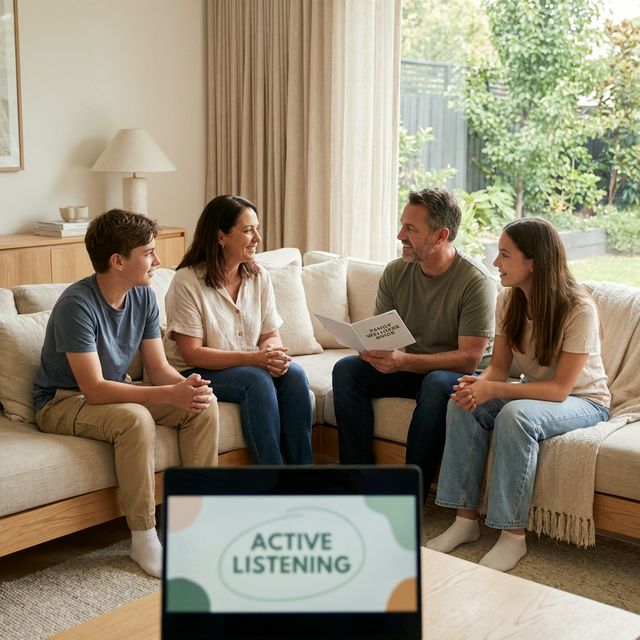
Successful holiday navigation begins well before the event itself. If you are hosting a gathering where a family member in recovery will attend, have a private conversation with them beforehand. Ask what would make the gathering feel safe and supportive. Discuss whether alcohol will be present, what non-alcoholic options will be available, and whether there are specific people or situations they want to avoid.
If you are the person in recovery, communicate your needs clearly to your family. Let them know your boundaries, identify a support person you can turn to during the gathering, and have an exit strategy if the situation becomes too triggering. There is no shame in leaving early if your sobriety is at stake — and a family that truly supports your recovery will understand.
For extended family members who may not be aware of the situation, the person in recovery should decide how much information to share and with whom. Some people prefer that family be informed so they do not unknowingly offer drinks or make insensitive comments. Others prefer to keep their recovery private. Either approach is valid, and the decision belongs to the person in recovery.
Creating a Recovery-Supportive Environment
Hosts can make significant accommodations that support recovery without dramatically altering the celebration. The most impactful step is offering a robust selection of non-alcoholic beverages that are as appealing and varied as the alcoholic options. Sparkling water with garnishes, specialty mocktails, craft non-alcoholic beers, and festive punches give the person in recovery something interesting to drink and reduce the sense of being different.
Planning activities that do not center on drinking also helps. Game nights, outdoor activities, cooking together, watching holiday movies, or starting new family traditions create engagement and connection that do not depend on alcohol. When the focus of the gathering shifts from drinking to doing, everyone — not just the person in recovery — tends to have a better time.
Be mindful of environmental triggers. If alcohol is present, keep it in a designated area rather than spread throughout the entire space. Avoid pressuring anyone to drink, and shut down comments like "one drink won't hurt" or "it's the holidays, lighten up." These seemingly harmless remarks can be deeply triggering for someone working hard to maintain their sobriety.
- Offer an appealing variety of non-alcoholic beverages prominently displayed
- Plan activities and entertainment that do not center on drinking
- Keep alcohol in a designated area rather than throughout the space
- Brief other family members to avoid offering drinks or making comments about not drinking
- Avoid games or traditions that involve drinking, like toasts or drinking games
- Ensure there are quiet spaces where the person in recovery can decompress if needed
The Person in Recovery: Your Holiday Toolkit
If you are in recovery and approaching the holiday season, preparation is your greatest asset. Start by discussing your holiday plans with your therapist, sponsor, or support group well in advance. Identify your triggers and develop specific strategies for managing each one. Having a plan reduces anxiety and increases your confidence heading into potentially challenging situations.
Maintain your recovery routine as much as possible during the holiday period. Attend meetings, keep therapy appointments, exercise, get adequate sleep, and practice your coping skills. The routine that supports your sobriety during ordinary weeks is even more important during high-stress periods.
Identify a recovery buddy — your sponsor, a sober friend, or a supportive family member — who you can call or text during gatherings if you feel triggered. Simply knowing that support is available can reduce anxiety. Some people attend a recovery meeting before or after holiday gatherings to bookend the experience with support.
Prepare a brief, comfortable response for when someone offers you a drink or asks why you are not drinking. Something simple like "I am not drinking tonight" or "I am on medication" is usually sufficient and redirects the conversation.
Addressing Family Tension and Old Wounds
Holidays have a way of resurfacing old wounds and family tensions, especially in families affected by addiction. Extended family members who were hurt by the addiction may use the gathering as an opportunity to express grievances, ask intrusive questions, or test the person in recovery. These interactions, even when well-intentioned, can be destabilizing.
If you anticipate specific family members will be challenging, plan your approach in advance. You might decide to keep interactions brief and surface-level, have a prepared response for difficult questions, or arrange to have a supportive person nearby during interactions with that family member.
For family members who are still processing their own hurt, the holidays are not the ideal time for deep conversations about the past. Those discussions are better suited for family therapy or private conversations. During gatherings, focus on being present, creating positive new memories, and demonstrating through your actions that things have changed.
Building New Holiday Traditions
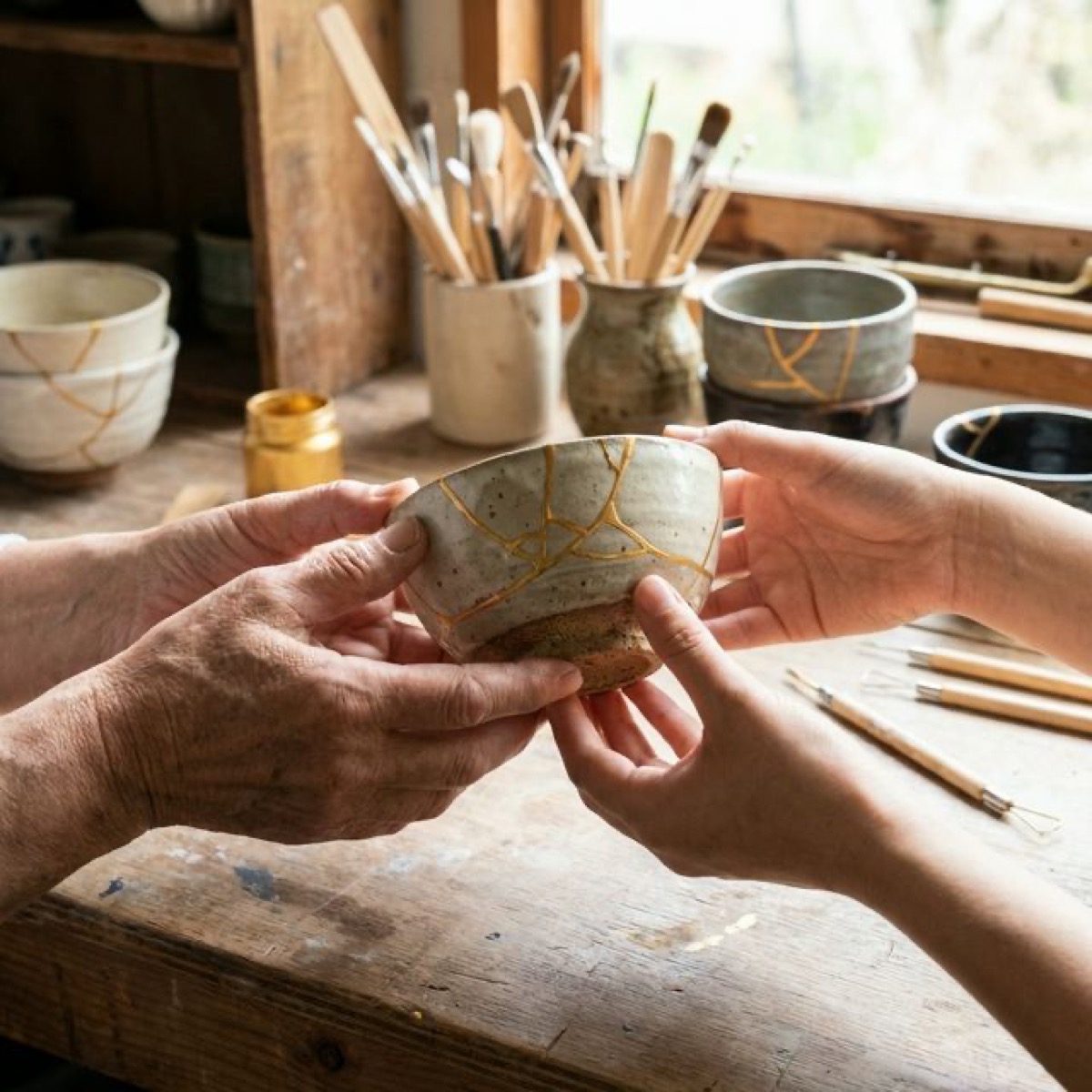
One of the most powerful things a family in recovery can do is create new traditions that are not associated with past substance use. These new traditions build a library of positive sober memories that gradually replace the painful ones. They also give the family something to look forward to that is inherently recovery-supportive.
New traditions might include a family volunteer activity, a special meal that everyone helps prepare, a game tournament, a holiday movie marathon, an outdoor adventure like a hike or beach day, or a gratitude practice where each family member shares what they are thankful for. The specific activity matters less than the fact that it is shared, substance-free, and meaningful.
If you are looking for support during the holiday season or want to discuss strategies for navigating family gatherings in recovery, Trust SoCal is here to help. Our aftercare program provides ongoing support for individuals and families, including holiday-specific planning and coping strategies. Contact us at (949) 280-8360.

Madeline Villarreal, Counselor
Counselor