Key Takeaways
- Approximately 90 percent of the body's serotonin is produced in the gastrointestinal tract by enterochromaffin cells and gut bacteria, making gut health a direct determinant of the mood stability and emotional regulation critical to sustaining addiction recovery.
- Chronic alcohol use increases intestinal permeability by 40 to 60 percent through disruption of tight junction proteins, allowing bacterial endotoxins to enter the bloodstream and trigger neuroinflammation that intensifies cravings and depressive symptoms.
- Gut microbiome diversity is reduced by 30 to 50 percent in individuals with substance use disorders compared to healthy controls, with particular depletion of Lactobacillus and Bifidobacterium species that produce anti-inflammatory short-chain fatty acids.
- Prebiotic fiber intake of 25 to 35 grams daily from whole food sources increases beneficial bacterial populations within two to four weeks, measurably improving gut barrier integrity and reducing systemic inflammation markers relevant to recovery.
- Probiotic supplementation with multi-strain formulations containing 10 to 50 billion CFU has shown preliminary efficacy in reducing anxiety, depression, and alcohol craving scores in randomized controlled trials of individuals with alcohol use disorder.
- Restoring gut-brain axis function through targeted nutritional intervention represents an emerging frontier in addiction medicine that complements traditional treatment approaches at facilities like Trust SoCal in Orange County.
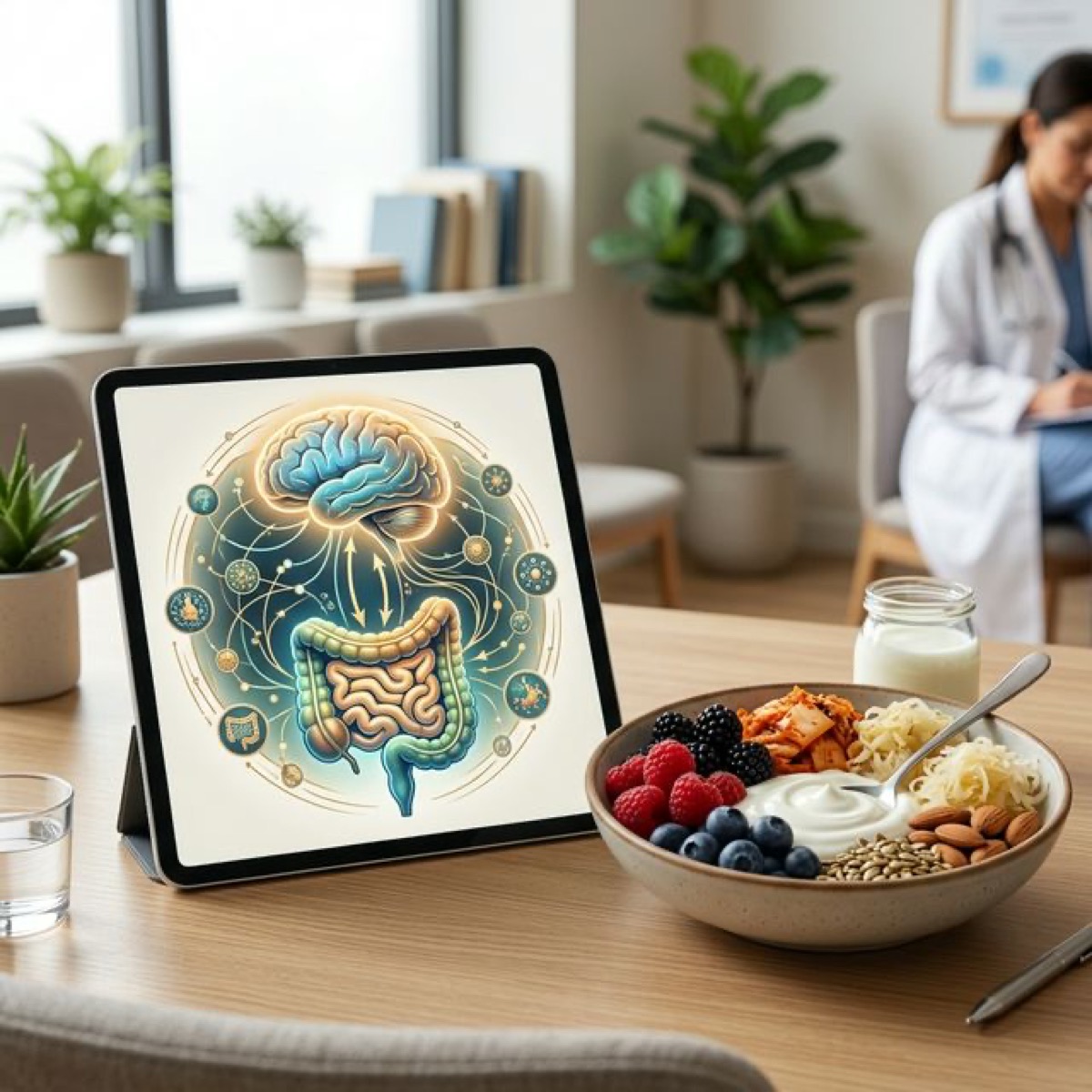
Understanding the Gut-Brain Axis: Architecture of a Bidirectional Highway
The gut-brain axis is a sophisticated bidirectional communication network connecting the enteric nervous system of the gastrointestinal tract with the central nervous system of the brain through neural, hormonal, immune, and metabolic signaling pathways. The vagus nerve serves as the primary neural conduit, carrying sensory information from approximately 500 million neurons in the gut to the brainstem and limbic system, where it influences mood, stress responses, and cognitive function. This vagal signaling is not merely incidental: up to 80 percent of vagal nerve fibers are afferent, meaning they carry information from the gut to the brain rather than the other direction, underscoring the profound influence that gastrointestinal health exerts over central nervous system function.
The gut microbiome, comprising approximately 100 trillion microorganisms representing over 1,000 bacterial species, functions as a virtual endocrine organ that produces neuroactive compounds with direct effects on brain chemistry. Gut bacteria synthesize neurotransmitters including serotonin, dopamine, GABA, and norepinephrine, produce short-chain fatty acids that cross the blood-brain barrier and modulate neuroinflammation, and generate metabolites that influence the hypothalamic-pituitary-adrenal stress axis. Research published in Nature Reviews Neuroscience has established that the composition and diversity of the gut microbiome directly influences anxiety-like behavior, depressive symptoms, stress reactivity, and social behavior in both animal models and human clinical studies.
The immune system provides a third critical communication pathway within the gut-brain axis. The gastrointestinal tract houses approximately 70 percent of the body's immune cells, and the gut microbiome plays a central role in educating and regulating immune function. When the intestinal barrier is compromised, as occurs routinely with chronic substance abuse, bacterial products including lipopolysaccharide endotoxin translocate into the bloodstream and activate systemic inflammatory cascades that produce neuroinflammation. This neuroinflammation disrupts neurotransmitter metabolism, impairs prefrontal cortex function, and activates the brain's stress circuitry in ways that directly increase vulnerability to relapse. Understanding these interconnected pathways reveals why gut health is not merely a wellness concern but a clinical priority in addiction treatment.
The gut contains approximately 500 million neurons and produces about 90 percent of the body's serotonin. Up to 80 percent of vagus nerve fibers carry information from the gut to the brain, making gastrointestinal health a direct determinant of mood, stress resilience, and cognitive function during addiction recovery.
How Substance Abuse Devastates the Gut Microbiome
Chronic substance abuse produces a characteristic pattern of gut microbiome disruption known as dysbiosis, characterized by reduced bacterial diversity, overgrowth of pathogenic species, depletion of beneficial commensal organisms, and compromised intestinal barrier function. Alcohol is the most extensively studied substance in this context: ethanol and its primary metabolite acetaldehyde directly damage intestinal epithelial cells, disrupt tight junction proteins that maintain barrier integrity, and selectively suppress the growth of beneficial bacteria while promoting the expansion of gram-negative species that produce inflammatory endotoxin. A landmark study published in the Proceedings of the National Academy of Sciences demonstrated that just one week of heavy alcohol consumption produced measurable increases in intestinal permeability and plasma endotoxin levels in healthy volunteers, effects that are dramatically amplified in chronic heavy drinkers.
Opioid-induced dysbiosis follows a distinct pattern driven primarily by the profound reduction in gastrointestinal motility that is a hallmark of opioid pharmacology. The resulting constipation creates a stagnant intestinal environment that favors anaerobic bacterial overgrowth, reduces the transit of prebiotic substrates that feed beneficial bacteria, and allows accumulation of toxic metabolites that damage the intestinal mucosa. Research published in the journal Gut Microbes found that chronic opioid use reduced populations of Bacteroides and Roseburia species by over 50 percent while increasing Clostridium and Enterococcus populations, a shift that favors inflammation and reduces the production of the short-chain fatty acid butyrate that is essential for maintaining intestinal barrier integrity.
Stimulant drugs affect the gut microbiome through a combination of direct sympathetic nervous system activation that alters gastrointestinal blood flow and motility, profound dietary changes during binge use (including prolonged fasting followed by high-sugar, high-fat binge eating), and stress-mediated immune activation that disrupts the intestinal mucosal immune system. Methamphetamine has been shown to directly alter gut microbial composition in animal models, reducing Lactobacillus populations and increasing pro-inflammatory Proteobacteria. The cumulative effect across all substances of abuse is a gut environment characterized by reduced diversity, increased permeability, heightened inflammation, and impaired production of the neuroactive metabolites that support mood regulation and craving resistance.
Substance-Specific Microbiome Damage
Each class of substance produces distinct patterns of microbiome disruption that inform targeted restoration strategies.
- Alcohol: direct epithelial cell damage, tight junction protein disruption, 40 to 60 percent increase in intestinal permeability, selective depletion of Lactobacillus and Bifidobacterium species, endotoxin translocation triggering systemic inflammation
- Opioids: severe dysmotility and constipation creating stagnant intestinal environment, 50 percent reduction in butyrate-producing Bacteroides and Roseburia, overgrowth of inflammatory Clostridium and Enterococcus species
- Stimulants: altered gastrointestinal blood flow and motility, dietary disruption during binge cycles, stress-mediated mucosal immune activation, reduced Lactobacillus populations and increased Proteobacteria
- Cannabis: relatively milder direct effects but associated with increased consumption of processed, high-sugar foods that promote dysbiosis and reduce microbiome diversity over time
- Polysubstance use: cumulative dysbiosis from multiple mechanisms producing the most severe microbiome depletion and intestinal barrier compromise
Serotonin, Dopamine, and GABA: Gut-Produced Neurotransmitters in Recovery
The discovery that gut bacteria produce the same neurotransmitters that are central to addiction neuroscience has transformed our understanding of the biological basis of recovery. Approximately 90 percent of the body's serotonin is synthesized in the gastrointestinal tract, primarily by enterochromaffin cells in the intestinal epithelium whose function is modulated by the surrounding microbiome. Specific bacterial species including Lactobacillus, Bifidobacterium, Streptococcus, and Escherichia produce serotonin directly or stimulate its production by enterochromaffin cells through the metabolism of dietary tryptophan. While gut-derived serotonin does not cross the blood-brain barrier in significant quantities, it influences central serotonin signaling indirectly through vagal nerve activation, tryptophan availability modulation, and immune-mediated pathways that collectively affect mood, anxiety, and emotional regulation.
Gut bacteria also produce dopamine, the neurotransmitter most directly implicated in addiction reward circuitry. Bacillus and certain Lactobacillus species have been shown to synthesize dopamine from dietary tyrosine, and the gut microbiome influences central dopamine signaling through regulation of dopamine precursor availability and modulation of dopamine receptor expression via immune and vagal pathways. GABA, the primary inhibitory neurotransmitter whose function is profoundly disrupted by alcohol and benzodiazepine dependence, is produced by multiple bacterial species including Lactobacillus brevis and Bifidobacterium dentium. A 2019 study in Nature Microbiology demonstrated that individuals with depression had significantly lower populations of GABA-producing gut bacteria compared to healthy controls, establishing a direct link between gut microbial composition and the neurotransmitter systems most relevant to addiction and mental health.
The practical implication of these findings for addiction recovery is that restoring gut microbiome health is not merely about digestive wellness but about rebuilding the biological infrastructure that produces the neurotransmitters needed for mood stability, craving resistance, and emotional regulation. When beneficial gut bacteria are depleted by chronic substance abuse, the body loses a significant source of serotonin, dopamine, and GABA production, compounding the receptor downregulation and neurotransmitter depletion directly caused by the substances themselves. Nutritional interventions that restore microbial diversity and repopulate beneficial species therefore address a root cause of the neurochemical imbalances that drive relapse, representing a fundamentally different approach from simply managing symptoms at the brain level.
The gut microbiome is not merely a passive bystander in addiction but an active participant in the neurochemistry of craving, mood regulation, and recovery. Restoring microbial health may prove to be as important to long-term sobriety as any psychological or pharmacological intervention.
— Dr. John Cryan, University College Cork, leading gut-brain axis researcher
Intestinal Permeability, Endotoxemia, and Neuroinflammation
Increased intestinal permeability, commonly referred to as "leaky gut," represents one of the most clinically consequential effects of substance abuse on the gastrointestinal system and a major driver of the neuroinflammation that perpetuates addiction vulnerability. Under normal conditions, the intestinal epithelium forms a selective barrier maintained by tight junction proteins including occludin, claudins, and zonula occludens that allow nutrient absorption while preventing the passage of bacteria, toxins, and undigested food particles into the bloodstream. Chronic alcohol exposure disrupts these tight junctions through direct acetaldehyde-mediated damage, oxidative stress, and microbiome-mediated mechanisms, creating gaps in the barrier that allow bacterial endotoxin (lipopolysaccharide) to translocate into portal and systemic circulation.
The resulting endotoxemia triggers a cascade of inflammatory signaling that reaches the brain through both humoral and neural pathways. Circulating lipopolysaccharide activates toll-like receptor 4 on hepatic Kupffer cells and peripheral immune cells, stimulating the production of pro-inflammatory cytokines including TNF-alpha, IL-1beta, and IL-6. These cytokines cross the blood-brain barrier and activate microglial cells, the resident immune cells of the brain, producing neuroinflammation in regions critical to addiction including the prefrontal cortex, nucleus accumbens, and amygdala. Research published in Biological Psychiatry has demonstrated that individuals with alcohol use disorder have elevated blood levels of lipopolysaccharide and pro-inflammatory cytokines, and that these inflammatory markers correlate positively with craving intensity, depression severity, and relapse risk.
Breaking the cycle of intestinal permeability, endotoxemia, and neuroinflammation requires a comprehensive approach that addresses the root cause at the gut level rather than simply targeting brain inflammation with anti-inflammatory medications. Dietary interventions that support intestinal barrier repair include adequate zinc intake (which is required for tight junction protein synthesis and is commonly deficient in substance use disorders), L-glutamine supplementation (which serves as the primary fuel source for intestinal epithelial cells), and elimination of barrier-disrupting dietary components including excess alcohol, processed seed oils, and refined sugar. Polyphenol-rich foods including berries, green tea, turmeric, and dark chocolate also support barrier integrity through antioxidant protection of epithelial cells and promotion of beneficial bacterial growth.
Prebiotic and Probiotic Interventions for Microbiome Restoration
Prebiotic fibers represent the foundation of microbiome restoration in addiction recovery because they provide the substrate that beneficial gut bacteria require to proliferate and produce the short-chain fatty acids, neurotransmitters, and anti-inflammatory metabolites that support recovery. Prebiotics are non-digestible carbohydrates that pass through the upper gastrointestinal tract intact and are selectively fermented by beneficial bacteria in the colon, promoting their growth at the expense of pathogenic species. The most well-studied prebiotics include inulin and fructo-oligosaccharides found in onions, garlic, leeks, asparagus, and chicory root, as well as galacto-oligosaccharides found in legumes and beta-glucans found in oats and mushrooms. A daily prebiotic fiber intake of 25 to 35 grams from diverse whole food sources has been shown to measurably increase Bifidobacterium and Lactobacillus populations within two to four weeks.
Probiotic supplementation introduces specific beneficial bacterial strains directly into the gastrointestinal tract and has shown promising results in preliminary addiction recovery research. The most extensively studied probiotic strains for mental health applications, sometimes called "psychobiotics," include Lactobacillus rhamnosus, Lactobacillus helveticus, Bifidobacterium longum, and Bifidobacterium breve, all of which have demonstrated anxiolytic and antidepressant effects in randomized controlled trials. A 2021 pilot study in individuals with alcohol use disorder found that 12 weeks of supplementation with a multi-strain probiotic containing 50 billion CFU per dose significantly reduced anxiety scores, depression scores, and self-reported alcohol cravings compared to placebo, while also improving intestinal barrier markers and reducing circulating inflammatory cytokines.
The optimal approach to microbiome restoration combines prebiotic-rich dietary changes with targeted probiotic supplementation and the concurrent elimination of microbiome-disrupting factors including unnecessary antibiotics, excessive alcohol residue from mouthwash or cooking, artificial sweeteners that have been shown to alter microbial composition, and ultra-processed foods containing emulsifiers that damage the intestinal mucus layer. Fermented foods serve as a bridge between dietary and supplemental approaches, providing both live beneficial bacteria and the organic acids and bioactive compounds produced during fermentation. Trust SoCal at (949) 280-8360 integrates gut health assessment and microbiome restoration strategies into its comprehensive nutrition programming for individuals in addiction treatment.
Microbiome Restoration Protocol
A phased approach to gut health restoration during addiction recovery.
- Phase 1 (weeks 1 to 2): Begin multi-strain probiotic supplementation at 25 to 50 billion CFU daily, introduce easily digestible prebiotic foods including cooked onions, ripe bananas, and oatmeal, and eliminate artificial sweeteners and ultra-processed foods
- Phase 2 (weeks 3 to 6): Gradually increase dietary fiber to 25 to 35 grams daily from diverse sources, introduce fermented foods including yogurt, kefir, and sauerkraut, and add L-glutamine at 5 grams daily for intestinal barrier support
- Phase 3 (weeks 7 to 12): Expand dietary diversity to include 30 or more different plant foods per week for maximum prebiotic variety, continue probiotic supplementation, and incorporate polyphenol-rich foods including berries, green tea, and turmeric
- Ongoing: Maintain a fiber-rich, diverse whole foods diet, consider periodic probiotic supplementation during high-stress periods, and minimize exposure to microbiome-disrupting medications, food additives, and environmental toxins
The Vagus Nerve: Stimulating the Gut-Brain Connection
The vagus nerve, the longest cranial nerve in the body, serves as the primary communication highway between the gut and the brain and represents a therapeutic target for enhancing gut-brain axis function during addiction recovery. Vagal tone, measured by heart rate variability, reflects the capacity of the parasympathetic nervous system to promote calm, restorative states and has been found to be significantly reduced in individuals with substance use disorders. Low vagal tone is associated with increased inflammation, impaired emotional regulation, heightened stress reactivity, and reduced capacity for social engagement, all of which contribute to relapse vulnerability. Conversely, interventions that increase vagal tone have been shown to reduce inflammation, improve mood, and enhance the brain's ability to process and regulate emotional experiences.
Several non-invasive interventions can stimulate vagal nerve activity and improve gut-brain communication during addiction recovery. Deep diaphragmatic breathing, in which the exhalation is extended to twice the duration of the inhalation, directly activates the vagus nerve through mechanical stimulation of the diaphragm and changes in intrathoracic pressure. Cold water face immersion triggers the mammalian dive reflex, producing robust vagal activation that can rapidly reduce heart rate and anxiety. Gargling vigorously, humming, and singing all activate the vagal nerve through the pharyngeal muscles it innervates. These simple, cost-free techniques can be practiced multiple times daily and provide immediate parasympathetic activation that complements the longer-term benefits of dietary microbiome restoration.
Mind-body practices including yoga, meditation, and tai chi have been shown to increase vagal tone over time through their combined effects on breathing, movement, and attentional regulation. A 2020 study published in Frontiers in Psychiatry found that eight weeks of yoga practice increased heart rate variability by 15 percent and reduced salivary cortisol by 20 percent in individuals with substance use disorders, improvements that correlated with reduced craving intensity and improved emotional regulation. At Trust SoCal in Fountain Valley, CA, mind-body practices are integrated into treatment programming specifically for their vagal nerve stimulating effects, complementing nutritional interventions that restore gut health from the bottom up while vagal stimulation enhances communication from the top down.
Practice the "4-7-8 breathing technique" to stimulate your vagus nerve: inhale through the nose for 4 seconds, hold for 7 seconds, and exhale slowly through the mouth for 8 seconds. This extended exhalation directly activates parasympathetic pathways that reduce anxiety and support gut-brain communication. Repeat 4 cycles whenever cravings or stress arise.
Short-Chain Fatty Acids: The Metabolic Currency of Gut Health
Short-chain fatty acids, primarily acetate, propionate, and butyrate, are the metabolic products of bacterial fermentation of dietary fiber in the colon and serve as the primary currency through which the gut microbiome communicates health-promoting signals to the rest of the body and brain. Butyrate is the most extensively studied SCFA in the context of gut-brain communication: it serves as the preferred energy source for colonocytes (the cells lining the colon), maintains tight junction integrity, suppresses pro-inflammatory cytokine production, and crosses the blood-brain barrier where it exerts direct neuroprotective and anti-inflammatory effects. Research published in Neuropsychopharmacology has demonstrated that butyrate administration improves depressive-like behavior in animal models through mechanisms involving histone acetylation, brain-derived neurotrophic factor expression, and serotonin metabolism.
The production of short-chain fatty acids is directly dependent on the availability of fermentable dietary fiber and the presence of SCFA-producing bacterial species, both of which are severely compromised in individuals with substance use disorders. A 2019 study published in Gut found that individuals with alcohol use disorder had 60 percent lower fecal butyrate concentrations compared to healthy controls, and that this butyrate deficiency correlated with increased intestinal permeability, elevated inflammatory markers, and higher depression scores. Restoring SCFA production requires both the dietary substrate (prebiotic fiber from whole grains, legumes, fruits, and vegetables) and the bacterial machinery (butyrate-producing species including Faecalibacterium prausnitzii, Roseburia intestinalis, and Eubacterium rectale), creating a dual requirement that explains why neither fiber supplementation nor probiotic supplementation alone produces optimal results.
Practical strategies for maximizing SCFA production during addiction recovery center on dietary diversity, as different fiber types are fermented by different bacterial species and produce different SCFA profiles. Resistant starch found in cooked and cooled potatoes, rice, and legumes is particularly effective at promoting butyrate production. Beta-glucan from oats and mushrooms promotes propionate production, while pectin from apples, citrus, and berries promotes acetate production. Consuming a diverse array of at least 30 different plant foods per week, as recommended by the American Gut Project, provides the full spectrum of fermentable substrates needed to support a healthy, diverse microbiome capable of robust SCFA production.
Clinical Applications: Integrating Gut Health Into Addiction Treatment
The integration of gut-brain axis science into clinical addiction treatment represents an emerging paradigm that is beginning to reshape how treatment facilities approach nutritional programming, supplementation protocols, and holistic wellness interventions. Forward-thinking treatment programs are now incorporating microbiome assessment through stool analysis, targeted prebiotic and probiotic interventions, anti-inflammatory dietary protocols, and vagal nerve stimulation techniques into their standard treatment offerings. While the research base is still developing and no gut-targeted intervention should replace established addiction treatments, the convergence of evidence from gastroenterology, microbiology, immunology, and neuroscience creates a compelling case for addressing gut health as a foundational component of comprehensive recovery support.
Practical implementation of gut-brain axis interventions in treatment settings involves several key components that can be integrated into existing programming with minimal additional resources. Nutritional counseling that emphasizes whole foods, dietary fiber, fermented foods, and the elimination of gut-disrupting processed ingredients can be delivered within existing meal planning and dietary education frameworks. Probiotic supplementation can be added to existing vitamin and supplement protocols at modest cost. Vagal nerve stimulation through breathwork and mind-body practices can be incorporated into existing wellness programming. The key is presenting these interventions within an evidence-based framework that connects gut health to the neuroscience of addiction and recovery, giving patients a concrete understanding of why these seemingly simple interventions matter for their sobriety.
Trust SoCal, located at 16537 Elm Cir, Fountain Valley, CA 92708, is committed to integrating cutting-edge nutritional neuroscience into its evidence-based addiction treatment programs. Our clinical team recognizes that the gut-brain axis represents a therapeutic frontier with enormous potential to enhance recovery outcomes, and we incorporate gut health assessment, dietary optimization, and microbiome restoration strategies into our comprehensive treatment approach. Orange County residents seeking addiction treatment that addresses the whole person, from brain chemistry to gut biology, are encouraged to contact our team at (949) 280-8360 to learn how our integrated approach can support their recovery journey.
The gut-brain axis is not a fringe concept but an established area of neuroscience research with direct clinical relevance to addiction treatment. Major institutions including NIDA, NIH, and leading universities are actively funding research into microbiome-targeted interventions for substance use disorders, signaling that gut health will become an increasingly central component of evidence-based addiction treatment in the coming years.
Emerging Research and Future Directions
The field of gut-brain axis research in addiction medicine is advancing rapidly, with several promising lines of investigation that may transform treatment approaches within the next decade. Fecal microbiota transplantation, in which the gut microbiome from a healthy donor is transferred to an individual with dysbiosis, has shown dramatic results in treating Clostridioides difficile infection and is now being investigated as a potential intervention for alcohol use disorder. A 2020 pilot study published in Hepatology demonstrated that a single FMT from a healthy donor reduced alcohol cravings and improved cognitive function in individuals with alcohol-related cirrhosis and dysbiosis, providing proof-of-concept that direct microbiome manipulation can influence addictive behavior.
Precision nutrition based on individual microbiome profiling represents another frontier, with companies and research institutions developing algorithms that predict individual responses to specific foods and supplements based on gut microbial composition. This approach could enable clinicians to prescribe personalized dietary interventions optimized for each patient's unique microbiome signature, rather than relying on one-size-fits-all dietary guidelines. Additionally, the identification of specific "psychobiotic" bacterial strains with reproducible effects on neurotransmitter production, inflammation, and behavior may lead to the development of targeted probiotic formulations designed specifically for addiction recovery populations.
While these emerging technologies hold great promise, the foundational principles of gut health in addiction recovery remain accessible and actionable today: eat a diverse, fiber-rich whole foods diet, incorporate fermented foods regularly, consider evidence-based probiotic supplementation, practice vagal nerve stimulation through breathwork and mind-body practices, and minimize exposure to gut-disrupting substances and food additives. These simple but powerful interventions lay the groundwork for microbiome restoration that supports every other dimension of addiction treatment and recovery. As research continues to illuminate the gut-brain axis in addiction, facilities like Trust SoCal in Orange County are positioned to translate these discoveries into clinical practice that benefits patients in real time.

Rachel Handa, Clinical Director
Clinical Director & Therapist