

Key Takeaways
- Fremont, Hayward, and San Leandro have diverse treatment facilities including inpatient detoxification, residential programs, and intensive outpatient services
- South Alameda County treatment programs serve culturally diverse populations with specialized services addressing language and cultural needs
- Transportation and accessibility services help individuals reach treatment despite geographic and logistical barriers
- Community health centers and federally qualified health centers (FQHCs) provide affordable treatment with insurance coverage and sliding scale fees
- Discharge planning and aftercare coordination ensure continuity of care from treatment program back to community support
Treatment Options in Fremont, Hayward, and San Leandro
The tri-city area of Fremont, Hayward, and San Leandro in South Alameda County offers a range of addiction treatment options serving the culturally diverse population of the region. Treatment facilities in these communities include inpatient detoxification programs, residential treatment centers, intensive outpatient programs, and ongoing outpatient counseling. These facilities serve the approximately 1.2 million residents of the tri-city area and surrounding South Alameda County communities.
South Alameda County treatment programs have developed culturally responsive services addressing the unique needs of the region's diverse populations. Multilingual services, cultural competency training for staff, and community partnerships ensure that residents from all backgrounds receive quality, respectful treatment. Accessibility services including transportation support and childcare assistance remove barriers to treatment participation.
Treatment facilities in Fremont, Hayward, and San Leandro welcome all individuals and provide culturally respectful, compassionate care.
Inpatient Detoxification and Medical Stabilization
Inpatient detox programs in the tri-city area provide medical supervision for 5-10 day stays addressing acute withdrawal and establishing medical stability. Programs include around-the-clock nursing, physician oversight, and medications managing withdrawal symptoms.
- Medical assessment and vital sign monitoring 24/7
- Medications managing withdrawal symptoms and reducing cravings
- Initial mental health and substance abuse assessment
- Transition planning to ongoing treatment programming
Residential Treatment Programs
South Alameda County residential programs offer 28-90 day structured treatment with therapy, activities, and peer community. These programs serve individuals requiring intensive support and safe environments for recovery.
- Safe, structured environments with 24/7 peer and staff support
- Individual and group therapy addressing addiction and underlying issues
- Recreational and vocational activities and skill-building
- Aftercare planning and community transition support
Intensive Outpatient and Flexible Programming
Many Fremont, Hayward, and San Leandro residents access intensive outpatient programs allowing continued employment and family engagement. These programs typically meet 9-20 hours weekly with flexible scheduling.
- Individual counseling sessions addressing personal goals and challenges
- Group therapy with peers from the local community
- Flexible evening and weekend scheduling for working individuals
- Medication management and psychiatric care when indicated
Cultural Competency and Community-Responsive Services
The tri-city area includes diverse populations from Latin America, Southeast Asia, India, the Philippines, and other regions. Effective treatment programs provide multilingual services, cultural competency training for staff, and community partnerships addressing cultural values and family dynamics relevant to recovery.
Cultural competency in addiction treatment includes understanding how culture shapes substance use patterns, family roles, spiritual beliefs, and recovery pathways. South Alameda County treatment providers have developed expertise serving specific communities with respect for cultural values and beliefs about health, recovery, and family.
Culturally responsive treatment improves engagement and outcomes. Treatment programs in the tri-city area provide multilingual, culturally affirming services.
Multilingual Services and Communication Support
Treatment facilities in Fremont, Hayward, and San Leandro provide services in Spanish, Vietnamese, Cantonese, Tagalog, and other languages spoken by the community. Professional interpreters and bilingual staff ensure clear communication.
- Multilingual therapists and counselors in primary languages
- Professional interpreter services for medical and psychiatric care
- Written materials and consent documents in multiple languages
- Family services with interpretation for non-English-speaking families
Family-Centered and Community-Based Approaches
Many South Alameda County communities value family-centered approaches to health and healing. Treatment programs include family therapy, extended family involvement, and respect for community healing practices.
- Family therapy addressing family dynamics and support
- Extended family involvement in treatment and recovery
- Integration with community leaders and spiritual advisors
- Respect for traditional healing practices alongside evidence-based treatment
Immigration Status and Confidentiality Protections
Undocumented residents and mixed-status families in the tri-city area may fear deportation-related consequences from seeking care. Treatment providers maintain strict confidentiality and do not inquire about immigration status or report to authorities.
- Confidential treatment without immigration status inquiry
- Explicit protections against reporting to immigration authorities
- Service continuity and aftercare support regardless of status
- Advocacy and communication in multiple languages for families
Medication-Assisted Treatment in South Alameda County
Medication-assisted treatment (MAT) is increasingly available in Fremont, Hayward, and San Leandro. Community health centers, specialized MAT programs, and primary care offices provide buprenorphine, methadone, and naltrexone. These medications are essential for opioid addiction treatment and are compatible with ongoing work and family engagement.
South Alameda County treatment providers recognize opioid addiction as a medical condition requiring medical management. Office-based buprenorphine prescribing integrated with counseling allows individuals to maintain employment and housing while receiving treatment. This combination of medication and behavioral support is highly effective.
Medication-assisted treatment with counseling has 50-70% success rates and is the gold standard for opioid addiction.
Buprenorphine and Office-Based Treatment Models
Office-based buprenorphine programs in the tri-city area integrate opioid addiction treatment with primary healthcare. Individuals receive medication prescriptions and coordination with behavioral health counseling.
- Buprenorphine prescribing from trained physicians
- Behavioral health counseling addressing triggers and recovery
- Medical monitoring and medication adjustments
- Transition support and long-term maintenance planning
Methadone Maintenance Programs
Methadone clinics in the region provide daily medication dispensing with integrated counseling and medical care. Methadone maintenance allows individuals to stabilize and engage in productive lives.
- Daily medication dispensing with take-home privileges based on progress
- Individual and group counseling and therapy
- Comprehensive medical and mental health services
- Gradual dose adjustments based on individual needs
Long-Acting Injectable Medications
Extended-release naltrexone (Vivitrol) and long-acting buprenorphine (Sublocade) are monthly injections reducing daily medication burden and improving adherence. Select South Alameda County programs offer these newer medications.
- Monthly injections extending coverage and reducing cravings
- Improved adherence and convenience for working individuals
- Reduced risk of diversion compared to daily medications
- Flexible options for different treatment goals and circumstances
Accessibility, Transportation, and Support Services
Geographic distance and limited transportation can be barriers to treatment in the tri-city area. Treatment programs provide transportation assistance, flexible scheduling, and support services helping individuals access care. Childcare assistance, help-line referrals, and recovery coaching remove common barriers to engagement.
Community organizations in Fremont, Hayward, and San Leandro work to ensure transportation access through agency partnerships, mileage reimbursement, and transportation passes. Some programs offer van services for groups or provide taxi vouchers. These services recognize that removing practical barriers increases treatment access and participation rates.
Contact treatment facilities about transportation, childcare, and other support services available to remove barriers to treatment access.
Transportation Assistance and Programs
Treatment facilities in Fremont, Hayward, and San Leandro partner with transportation agencies and provide direct transportation assistance. Options include mileage reimbursement, transit passes, and direct van services.
- Reimbursement for personal vehicle mileage to treatment
- Public transit passes and vouchers provided at no cost
- Agency van services for group transportation
- Flexible scheduling accommodating public transportation times
Childcare and Family Support Services
Parents seeking treatment often cite childcare barriers. Programs provide on-site childcare, referrals to childcare assistance, and support services enabling parent participation.
- On-site childcare during therapy and treatment hours
- Referral to subsidized childcare and daycare assistance programs
- Family-based treatment including children when appropriate
- Flexible appointment scheduling around childcare times
Recovery Coaching and Care Coordination
Recovery coaches and care coordinators help individuals navigate treatment systems, coordinate between providers, and solve practical barriers. These services significantly improve treatment engagement and outcome.
- Individual recovery coaches providing motivation and goal-setting
- Care coordination between medical, mental health, and social services
- Problem-solving for practical barriers and life challenges
- Advocacy for individuals navigating complex systems
Insurance, Medi-Cal, and Affordable Care Options
Treatment accessibility in South Alameda County depends on addressing cost barriers. Most programs accept Medi-Cal and other insurance. Uninsured individuals can access treatment through federally qualified health centers (FQHCs), sliding scale fees, and financial assistance programs. Cost should never prevent access to treatment.
Community health centers in Fremont, Hayward, and San Leandro serve uninsured and underinsured populations with sliding scale fees based on income. These facilities provide comprehensive addiction treatment along with primary healthcare, creating integrated health services. FQHC status ensures funding support for uninsured and low-income care.
Call treatment facilities to discuss financial options. Medi-Cal, sliding scale fees, and financial assistance ensure treatment access regardless of insurance status.
Medi-Cal Coverage and No-Cost Treatment
Medi-Cal beneficiaries in the tri-city area have comprehensive addiction treatment coverage with minimal cost sharing. Managed care plans coordinate treatment and behavioral health services.
- Full coverage for medical detoxification and inpatient treatment
- Coverage for intensive and standard outpatient programs
- Medication-assisted treatment fully covered
- Minimal copays for office visits and medications
Community Health Centers and Sliding Scale Fees
Federally qualified health centers (FQHCs) throughout the tri-city area serve uninsured populations with sliding scale fees based on household income. These centers provide addiction treatment integrated with primary healthcare.
- Sliding scale fees based on income, with many services free or minimal cost
- Integrated primary healthcare alongside addiction treatment
- Comprehensive services including medical, mental health, and social services
- Advocacy for insurance enrollment and benefits access
Payment Plans and Financial Assistance
Treatment facilities work with individuals to create affordable payment plans. Many programs offer scholarships, grants, or financial aid to cover costs not covered by insurance.
- Monthly payment plans with manageable amounts
- Internal and external scholarships and grants
- Discounts for uninsured self-pay clients
- Financial assistance from nonprofit organizations and charities
Discharge Planning, Aftercare, and Continuity of Care
Successful treatment extends beyond the formal program completion. Treatment facilities in Fremont, Hayward, and San Leandro develop discharge plans identifying community resources, ongoing therapy, peer support, and recovery accommodations. Continuity of care from inpatient programs to outpatient services to peer support is essential for sustained recovery.
Discharge planning begins at treatment admission, with ongoing refinement as individuals progress. Plans include connection to community mental health services, primary healthcare, peer support meetings, employment assistance, and housing support. Warm handoffs to community providers ensure individuals are not lost between programs.
Structured aftercare and peer support double recovery success rates compared to treatment without ongoing support.
Transition Planning and Discharge Coordination
Treatment providers coordinate discharge to ensure smooth transition to community care. Providers contact outpatient therapists, peer support programs, and medical providers to facilitate connection.
- Scheduled outpatient appointments before treatment discharge
- Peer support group meetings identified and attended during treatment
- Medication continuation and prescription coordination
- Housing and employment support planning and connection
Peer Support and Community Recovery Resources
The tri-city area has active peer support communities with daily AA/NA meetings and recovery groups. Individuals are connected to peer communities while in treatment, enabling immediate integration.
- Daily AA/NA and recovery group meetings throughout the region
- SMART Recovery, LifeRing, and alternative peer support options
- Recovery community centers and peer support networks
- Sponsorship and mentoring relationships with individuals further along in recovery
Ongoing Outpatient Care and Mental Health Services
Individual and group therapy continues after treatment program discharge. Monthly or quarterly sessions provide ongoing professional support, medication management, and relapse prevention.
- Individual therapy addressing life transitions and recovery challenges
- Psychiatric care for medication management and mental health treatment
- Skills-based counseling for stress management and coping
- Life coaching addressing employment, housing, and family relationships
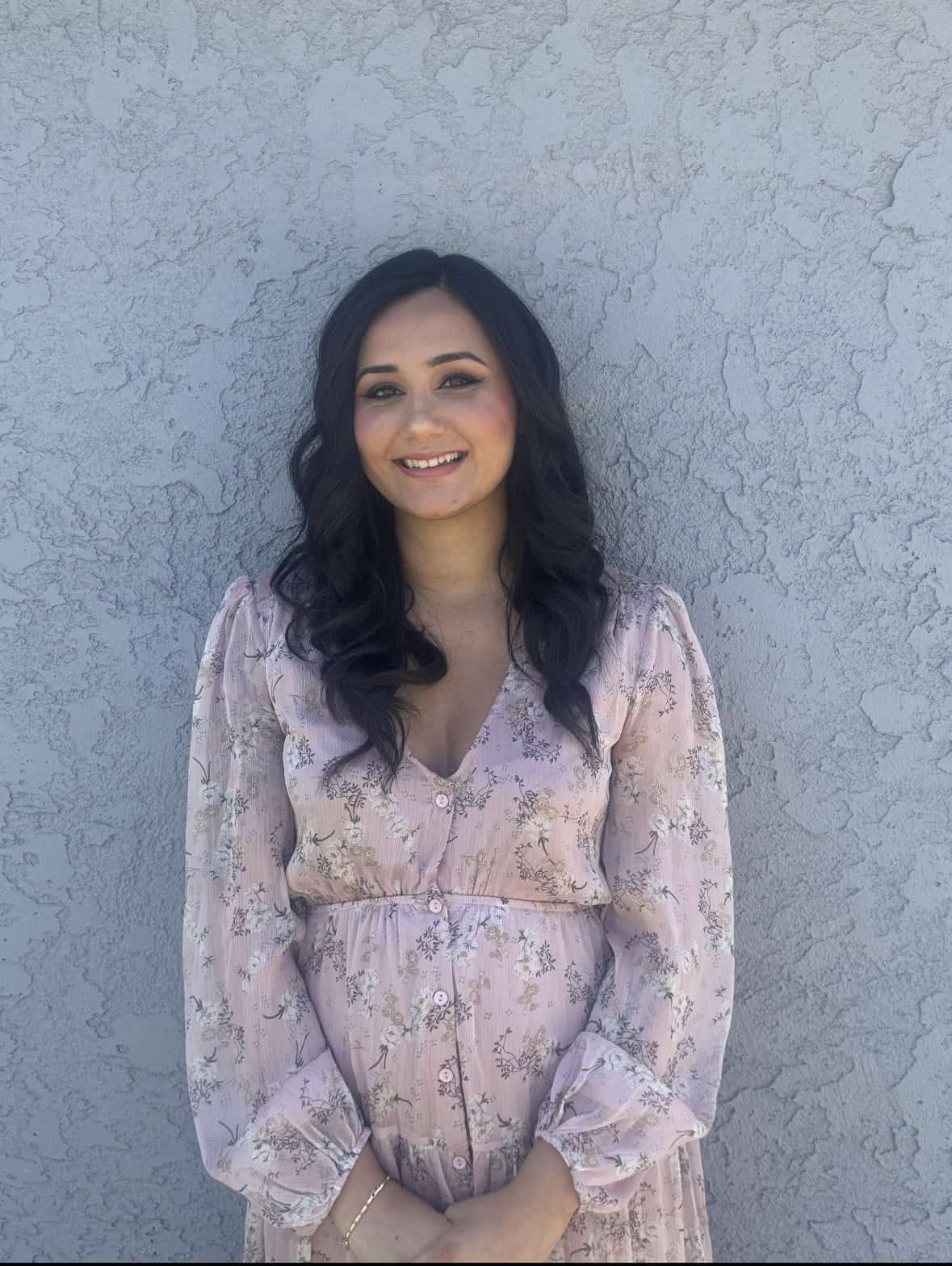
Rachel Handa, Clinical Director
Clinical Director & Therapist


