
Key Takeaways
- Addiction affects the entire family system, not just the individual using substances
- Family therapy helps repair damaged relationships and establish healthier dynamics
- Enabling behaviors and codependency are addressed through structured family sessions
- Trust SoCal integrates family therapy into all levels of addiction treatment
- Family involvement in treatment improves long-term recovery outcomes significantly
How Addiction Affects Moorpark Families
Moorpark, a close-knit community in eastern Ventura County, is home to many families grappling with the devastating effects of a loved one's addiction. Substance use disorder does not occur in isolation. It ripples through the entire family system, damaging trust, disrupting communication, creating financial stress, and leaving emotional wounds that can persist for years even after the individual achieves sobriety.
Children of parents with addiction are at higher risk for developing their own substance use issues, experiencing anxiety and depression, and struggling with attachment and relationship difficulties. Spouses and partners often develop codependent behaviors, sacrificing their own wellbeing in attempts to manage or control the addicted person's behavior. Elderly parents may deplete their retirement savings trying to help an adult child.
Family therapy addresses these systemic impacts head-on, helping each family member understand their role in the addiction dynamic and develop healthier patterns of interaction. At Trust SoCal, family therapy is not an optional add-on but a core component of our treatment philosophy.
Understanding Family Systems and Addiction
Family systems theory, developed by psychiatrist Murray Bowen, provides the framework for understanding how addiction functions within a family. According to this model, families are interconnected emotional units, and changes in one member affect all others. Addiction disrupts the family system by assigning unhealthy roles to different members.
- The Enabler: protects the addicted person from consequences, often a spouse or parent
- The Hero: overachieves to compensate for family dysfunction, typically the eldest child
- The Scapegoat: acts out to divert attention from the addiction, often a younger sibling
- The Lost Child: withdraws and becomes invisible to avoid family conflict
- The Mascot: uses humor to deflect from family pain and maintain a facade of normalcy
These family roles often develop unconsciously as survival mechanisms. Family therapy helps each member recognize their role and develop healthier ways of relating to one another.
What Family Therapy Looks Like at Trust SoCal
Trust SoCal's family therapy program is led by licensed marriage and family therapists (LMFTs) who specialize in addiction and family dynamics. Our approach combines multiple evidence-based modalities to address the unique needs of each family.
Family sessions typically begin during the second or third week of residential treatment, after the client has stabilized and begun engaging in individual therapy. Sessions may be conducted in person during scheduled visitation weekends or via secure video conferencing for families who cannot travel to our Fountain Valley facility regularly.
Psychoeducation Sessions
Family members learn about the neuroscience of addiction, the disease model, and why traditional approaches like punishment, ultimatums, and enabling behaviors are ineffective. Understanding addiction as a medical condition reduces blame and shame, creating space for genuine healing.
Communication Skills Training
Families learn structured communication techniques including active listening, nonviolent communication, and boundary setting. These skills help replace the destructive communication patterns that developed during active addiction with healthier, more productive interactions.
Boundary Establishment
Setting and maintaining healthy boundaries is one of the most important skills for family members of individuals in recovery. Therapists help families establish boundaries that support recovery without enabling, protect each member's wellbeing, and create clear expectations for behavior going forward.
Support for Family Members
Family members of individuals struggling with addiction need their own support and healing. Trust SoCal encourages family members to engage in their own recovery process, which may include attending Al-Anon or Nar-Anon meetings, seeking individual therapy, and participating in our family education programs.
Moorpark and the broader Ventura County area offer several family support resources, including local Al-Anon and Nar-Anon meetings, family counseling through Ventura County Behavioral Health, and faith-based support programs. These community resources complement the family therapy provided during treatment and support the entire family's ongoing recovery.
Starting the Family Healing Process
If addiction is tearing your Moorpark family apart, professional help is available. Trust SoCal's admissions team can discuss how our family therapy program can be part of your loved one's comprehensive treatment plan. Healing is possible for the entire family, and it begins with the decision to seek help.
Call Trust SoCal at (949) 280-8360 to learn more about our family therapy program and how it integrates with our addiction treatment services.
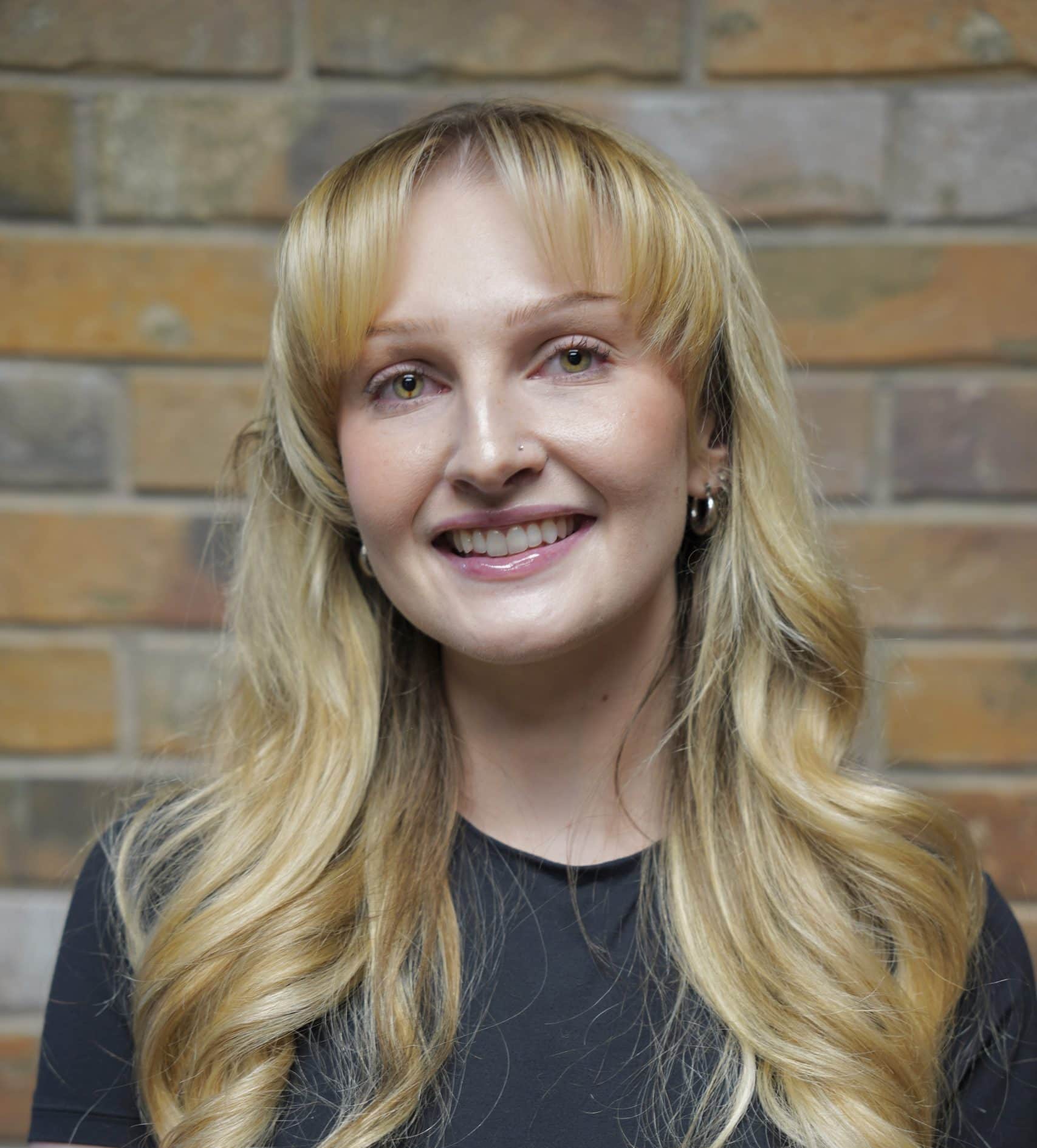
Amy Pride, MFTT
Marriage & Family Therapy Trainee