Key Takeaways
- Dextromethorphan (DXM), found in over 100 cough and cold products, is the most commonly abused over-the-counter medication, with approximately 1 in 30 teenagers reporting past-year misuse.
- At high doses, DXM produces dissociative, hallucinogenic, and euphoric effects through NMDA receptor antagonism and sigma receptor activation, effects qualitatively different from its cough-suppressing action at therapeutic doses.
- DXM abuse carries serious health risks including serotonin syndrome (when combined with antidepressants), seizures, respiratory depression, hyperthermia, and liver damage from acetaminophen co-formulated in many combination products.
- Other commonly abused OTC medications include loperamide (Imodium) used for opioid-like effects at massive doses, pseudoephedrine for stimulant effects, and diphenhydramine (Benadryl) for sedation and hallucinations at high doses.
- Many states have enacted age restrictions requiring purchasers of DXM-containing products to be 18 or older, but online purchasing and household access remain common pathways to the substance.
- The accessibility of OTC drugs makes them a common gateway substance for adolescents, and early intervention when OTC misuse is detected can prevent progression to more dangerous substances.
Understanding DXM Abuse: More Than a Cough Suppressant
Dextromethorphan (DXM) is a synthetic morphine analog that has been used as a cough suppressant in over-the-counter medications since the 1950s. At its recommended dose of 15 to 30 mg, DXM effectively suppresses the cough reflex through action on medullary cough centers with minimal psychoactive effects. However, at doses of 100 to 1,500 mg or more, DXM produces a range of psychoactive effects including dissociation, euphoria, visual and auditory hallucinations, altered perception of time, and out-of-body experiences that have made it a popular drug of abuse, particularly among adolescents and young adults.
The pharmacology underlying DXM's high-dose effects involves mechanisms entirely different from its cough-suppressing action. At supratherapeutic doses, DXM and its active metabolite dextrorphan act as NMDA receptor antagonists, producing dissociative effects similar to ketamine and PCP. Additionally, DXM activates sigma-1 receptors, contributing to its hallucinogenic and mood-altering properties. These combined mechanisms produce what users describe as "plateaus" of increasing intensity, from mild stimulation at lower abuse doses to full dissociation and hallucination at higher doses.
The practice of abusing DXM, colloquially known as "robotripping" (a reference to the Robitussin brand) or "skittling," has been documented since at least the 1960s. Despite this long history, DXM abuse remains under-recognized by many parents, educators, and healthcare providers. The substance's wide availability in pharmacies, supermarkets, and home medicine cabinets makes it one of the most accessible drugs of abuse in existence, requiring no prescription, no illicit market connections, and minimal cost to obtain.
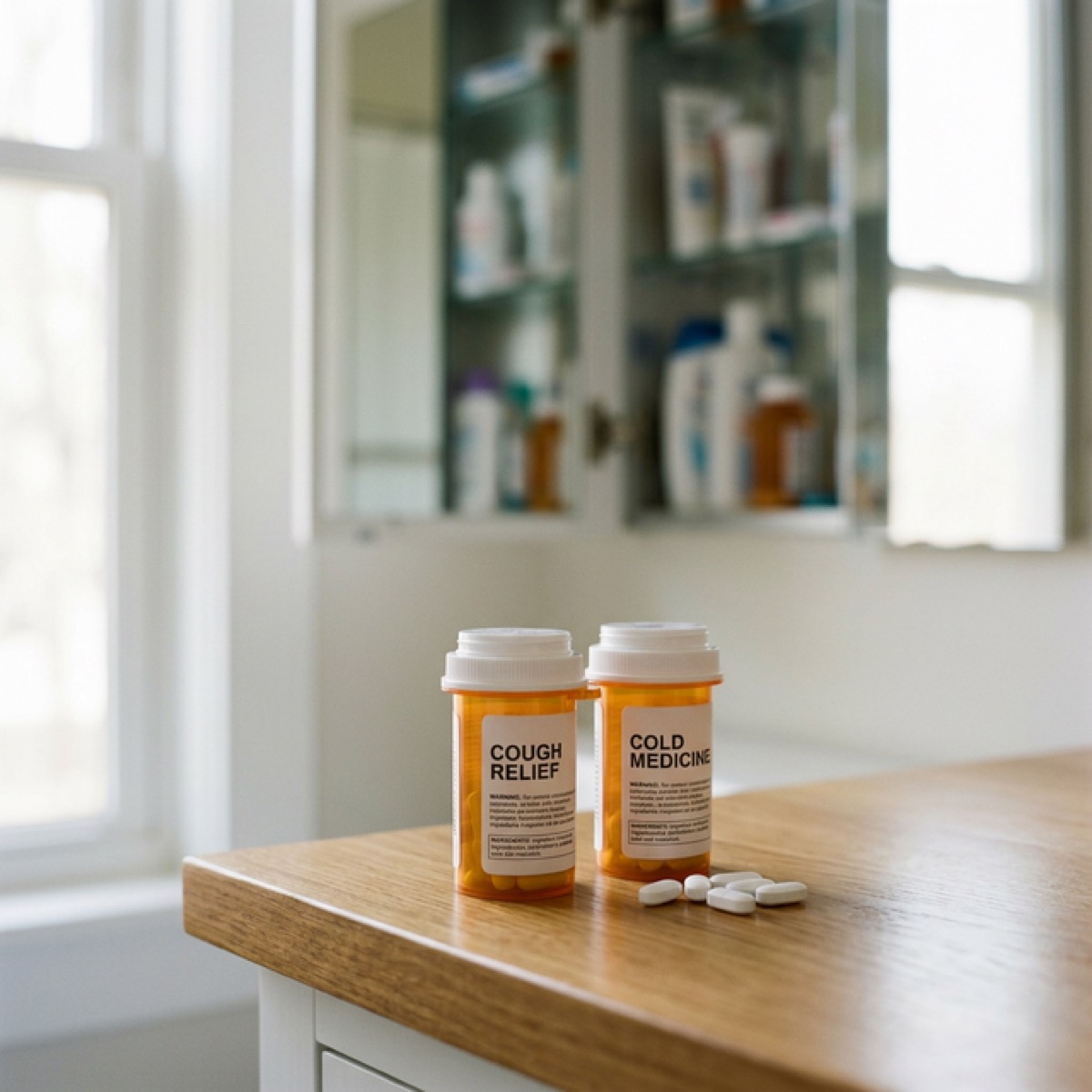
DXM is found in over 100 OTC products including NyQuil, Robitussin DM, Delsym, Coricidin HBP, Mucinex DM, and many store-brand cough and cold medicines. Always check ingredient labels and be aware of which products in your home contain DXM.
The Plateau System: How DXM Effects Change with Dose
DXM abuse is often described in terms of "plateaus," dose-dependent stages of intoxication that produce qualitatively different effects as the dose increases. This graduated effect profile is a key factor in DXM's appeal, as users can titrate their experience from mild mood elevation to profound dissociation depending on the amount consumed. Understanding these plateaus helps parents and healthcare providers recognize the level of abuse occurring.
The first plateau, reached at doses of approximately 100 to 200 mg, produces mild stimulation, increased energy, and mood elevation that users compare to low-dose alcohol intoxication. The second plateau, at 200 to 400 mg, adds mild euphoria, visual distortions, and impaired motor coordination. The third plateau, at 400 to 600 mg, produces significant dissociation, hallucinations, and altered perception of reality. The fourth plateau, at 600 to 1,500 mg or higher, produces complete dissociation from the body, intense hallucinations, loss of motor control, and a state users describe as near unconsciousness with vivid internal experiences.
Each ascending plateau carries progressively greater medical risk. At third and fourth plateau doses, DXM can produce seizures, respiratory depression, hyperthermia, tachycardia, hypertension, nystagmus, and loss of consciousness. The risk is compounded when DXM is consumed in formulations that also contain acetaminophen, guaifenesin, antihistamines, or pseudoephedrine, as these co-ingredients produce their own toxic effects at the doses needed to achieve high-plateau DXM levels.
The Danger of Combination Products
Many OTC cough and cold medications contain DXM in combination with other active ingredients that become dangerously toxic at the doses needed for DXM abuse. Acetaminophen (Tylenol), present in NyQuil and many combination cold products, causes liver failure at doses above approximately 4,000 mg per day, and DXM abusers consuming entire bottles can easily exceed this threshold. Chlorpheniramine, an antihistamine in Coricidin HBP, causes seizures, cardiac arrhythmias, and death at high doses, making Coricidin one of the most dangerous DXM products to abuse.
The importance of this co-ingredient toxicity cannot be overstated. Emergency departments regularly treat adolescents and young adults who sought DXM's dissociative effects but instead present with acetaminophen-induced liver failure, antihistamine-induced cardiac toxicity, or guaifenesin-induced severe nausea and vomiting. These medical emergencies can be fatal even when the DXM dose itself would not have caused death.
- Acetaminophen co-formulation: liver failure risk at doses needed for DXM abuse
- Chlorpheniramine (Coricidin HBP): seizures and cardiac arrhythmias at high doses
- Guaifenesin: severe nausea, vomiting, and kidney stones at excessive doses
- Pseudoephedrine: hypertension, stroke risk, cardiac events at high doses
- Phenylephrine: cardiovascular stress at supratherapeutic doses
- Antihistamines (diphenhydramine, doxylamine): delirium, seizures, cardiac toxicity
Other Commonly Abused OTC Medications
While DXM is the most widely abused over-the-counter medication, several other OTC products have emerged as substances of misuse, each carrying distinct health risks. These substances share DXM's accessibility and legal status but act through different pharmacological mechanisms and produce different effects.
Loperamide (Imodium), an over-the-counter anti-diarrheal medication, is an opioid that normally does not cross the blood-brain barrier at recommended doses. However, some individuals have discovered that massive doses (100 to 400 mg, compared to the recommended 8 mg maximum daily dose) can overwhelm the blood-brain barrier and produce opioid-like effects. This practice is extremely dangerous because loperamide at these doses causes fatal cardiac arrhythmias by blocking cardiac potassium channels, a mechanism entirely separate from its opioid effects. Multiple deaths have been attributed to loperamide abuse.
Diphenhydramine (Benadryl), an antihistamine, is abused at high doses for its sedative and deliriant effects. The "Benadryl challenge" that circulated on social media platforms encouraged taking excessive doses, leading to hospitalizations and at least one reported death. At high doses, diphenhydramine produces delirium, hallucinations, seizures, cardiac arrhythmias, rhabdomyolysis, and hyperthermia. Unlike the relatively pleasant hallucinations described with DXM or psychedelics, diphenhydramine delirium is typically frightening and disorienting.
Loperamide: The OTC Opioid
Loperamide abuse represents a particularly concerning trend because it is driven by individuals attempting to self-treat opioid withdrawal. When individuals dependent on heroin, fentanyl, or prescription opioids cannot access their drug of choice, some turn to massive doses of loperamide to manage withdrawal symptoms. While this practice may temporarily alleviate some withdrawal symptoms, it introduces a lethal cardiac risk that is not present with traditional opioids.
The FDA has taken notice of loperamide abuse, requiring new packaging that limits the number of doses per package and adding warnings about cardiac risk. Despite these measures, bulk loperamide remains available online. Medical professionals should be aware that patients presenting with QT prolongation, ventricular tachycardia, or torsades de pointes may be abusing loperamide, and a history of opioid use disorder should raise suspicion.
- Recommended dose: 2-8 mg per day for diarrhea
- Abuse doses: 100-400 mg or more to achieve central opioid effects
- Cardiac toxicity: QT prolongation, ventricular tachycardia, torsades de pointes
- Multiple fatalities attributed to cardiac arrest from loperamide abuse
- Often used to self-treat opioid withdrawal when other opioids unavailable
- FDA has restricted packaging and added cardiac risk warnings
Adolescent OTC Drug Abuse: Risk Factors and Prevention
OTC drug abuse is disproportionately an adolescent and young adult phenomenon. Approximately 3.1 percent of teenagers aged 12 to 17 report past-year misuse of OTC cough and cold medications, and the peak age of initiation is between 13 and 16 years. Several factors make OTC drugs particularly attractive to this age group: they are legal to purchase (in some jurisdictions), they are inexpensive, they are available in the home medicine cabinet, they do not require drug market connections, and they do not produce the stigma associated with illicit drug use.
Risk factors for adolescent OTC drug abuse include a history of other substance use, co-occurring mental health conditions (particularly depression and anxiety), peer influence, poor parental monitoring, low academic engagement, and exposure to OTC drug abuse content on social media platforms. The normalization of OTC drug abuse through online communities, YouTube videos, Reddit forums, and TikTok challenges has contributed to its persistence and spread.
Prevention strategies should include education (both for adolescents and parents), secure storage of medications in the home, awareness of the signs of OTC drug abuse, and open communication about the real risks these substances carry. Parents should inventory OTC medications in their homes, know which products contain DXM, and be alert to unexplained purchases of cough and cold products, empty medicine bottles, or internet searches related to DXM or other OTC drug abuse.
Parents: take inventory of your medicine cabinet. Know which products contain DXM, acetaminophen, and diphenhydramine. Consider locking or monitoring access to these medications, particularly if you have teenagers in the home. Early conversations about OTC drug risks can prevent experimentation.
Health Risks and Overdose Recognition
DXM overdose presents with a distinctive clinical picture that emergency providers recognize as the "DXM toxidrome." Signs include nystagmus (rapid involuntary eye movements), tachycardia, hypertension, hyperthermia, mydriasis (dilated pupils), agitation or sedation depending on dose, ataxia (loss of coordination), and in severe cases, seizures, respiratory depression, and coma. When combined with serotonergic medications or substances, DXM can precipitate serotonin syndrome, which adds muscle rigidity, clonus, and dangerously elevated body temperature to the clinical picture.
Long-term DXM abuse carries its own health consequences including cognitive impairment, memory deficits, insomnia, depression, and potential for persistent dissociative symptoms. Some heavy users develop a pattern of chronic use that resembles ketamine addiction, with psychological dependence on the dissociative state and difficulty functioning without the altered perceptual experience DXM provides.
If you suspect someone has overdosed on DXM or any OTC medication, call 911 immediately. Provide emergency responders with as much information as possible about the product consumed, the amount taken, and the time of ingestion. If the product contains acetaminophen, time-sensitive treatment with N-acetylcysteine can prevent liver failure if administered within 8 to 10 hours of ingestion.
DXM combined with SSRI antidepressants can cause serotonin syndrome, a potentially fatal condition. If someone taking antidepressants has consumed large amounts of DXM, this is a medical emergency. Call 911 immediately and inform them about both substances involved.
Treatment for OTC Drug Abuse
Treatment for OTC drug abuse follows the same evidence-based principles applied to other substance use disorders, with particular attention to the typically younger age of individuals affected and the underlying factors that led to OTC drug use. For adolescents, family-based therapy approaches such as multidimensional family therapy and functional family therapy have strong evidence bases. For adults, cognitive behavioral therapy, motivational interviewing, and contingency management are effective.
Because OTC drug abuse frequently co-occurs with mental health conditions including depression, anxiety, and trauma, dual diagnosis assessment and treatment are essential components of care. Many individuals who abuse DXM are seeking the dissociative escape it provides from emotional pain, and addressing the underlying distress through evidence-based mental health treatment is critical for sustained recovery.
Trust SoCal in Fountain Valley provides comprehensive substance abuse treatment that can address OTC drug misuse as part of a broader substance use or mental health treatment plan. Our dual diagnosis program is particularly well-suited for individuals whose OTC drug abuse is driven by co-occurring mental health conditions. If you are concerned about your own or a loved one's use of OTC medications, call (949) 280-8360 for a confidential assessment.
Medical disclaimer: This article is for educational purposes only and does not constitute medical advice. If you suspect an overdose on any medication, call 911 or Poison Control at 1-800-222-1222 immediately. For substance use treatment referrals, contact SAMHSA at 1-800-662-4357.

Medical Review Board, MD, ABAM
Medical Director & Reviewer