Key Takeaways
- Fresno has multiple evidence-based rehab facilities offering inpatient and outpatient programs
- Understanding your insurance coverage and financial options is essential before choosing a program
- Dual diagnosis treatment addresses both addiction and co-occurring mental health conditions
- Family involvement and aftercare planning significantly improve long-term recovery outcomes
- Reaching out to a treatment specialist at (949) 280-8360 can help you navigate local options
The Addiction Treatment Landscape in Fresno County
Fresno County faces significant substance abuse challenges, with methamphetamine, opioids, and alcohol being the most commonly reported drugs. The community has responded by developing a range of treatment facilities, from residential programs to intensive outpatient care. Understanding what's available is the first step toward finding recovery.
The Central Valley's rehab infrastructure includes both private and publicly-funded programs. Many facilities specialize in serving diverse populations, including uninsured individuals and those with Medi-Cal coverage. Knowing which programs accept your insurance and what services they offer helps you make an informed decision about your treatment.
Fresno County has over 20 licensed treatment facilities offering various levels of care. Don't hesitate to call treatment specialists who can match you with the right program.
Types of Rehab Programs Available
Inpatient residential programs provide 24/7 medical supervision and therapeutic support, ideal for severe addiction or complicated withdrawal. Outpatient programs allow you to live at home while attending therapy sessions and treatment appointments several times per week. Intensive outpatient programs (IOPs) bridge the gap, offering structured care without overnight hospitalization.
- Inpatient/Residential: 28-90 day programs with medical supervision
- Outpatient: Flexible scheduling for employed individuals and families
- Intensive Outpatient (IOP): 10-20 hours per week of structured treatment
Specialized Treatment Approaches
Many Fresno programs offer evidence-based therapies including cognitive-behavioral therapy (CBT), medication-assisted treatment (MAT), and dialectical behavior therapy (DBT). These approaches have strong research support and improve recovery outcomes when delivered by trained professionals.
- Medication-Assisted Treatment (MAT) for opioid and alcohol dependence
- Dual diagnosis programs treating addiction and mental health together
- Family therapy and education programs for loved ones
Location and Accessibility Factors
Program location matters when you're in early recovery. Some individuals prefer facilities within their hometown for family support, while others benefit from distance and a fresh environment. Fresno offers both options, with programs in the city center and surrounding areas.
- Downtown Fresno facilities close to public transportation
- Suburban programs with on-site amenities and quieter settings
- Programs accessible via car or family support
Navigating Insurance and Costs
Addiction treatment costs vary widely depending on program type and duration. Most rehab facilities accept insurance, with Medi-Cal covering a significant portion of treatment for eligible California residents. Understanding your coverage options removes financial barriers to seeking help.
When contacting a program, ask specifically about insurance verification, copay amounts, and what services are covered. Some facilities offer sliding scale fees for uninsured patients, and many participate in financial aid programs. Don't let cost prevent you from exploring your options.
Always verify insurance coverage directly with the facility before admission. Coverage verification ensures you understand your financial responsibility upfront.
Insurance Coverage and Medi-Cal
Medi-Cal is the largest payer for addiction treatment in Fresno County. California law requires coverage for medically necessary addiction treatment, including residential care, medication-assisted treatment, and behavioral therapies. If you're eligible, Medi-Cal typically covers 80-100% of treatment costs.
- Medi-Cal covers inpatient, outpatient, and intensive outpatient treatment
- No prior authorization required for emergency or urgent treatment
- Emergency room visits and detoxification services are fully covered
Private Insurance and Out-of-Pocket Options
Private insurance plans vary in their addiction treatment coverage. Review your plan documents or call your insurance company to understand your specific benefits. Most plans cover some portion of inpatient and outpatient care, though deductibles and copays apply.
- Typical insurance covers 50-90% of inpatient treatment costs
- Outpatient therapy and medication management may have separate copays
- Some plans limit the number of days covered per year
Financial Assistance Programs
Many Fresno treatment facilities work with uninsured and underinsured individuals. Sliding scale fees, grant programs, and hospital financial assistance can make treatment affordable. Community health centers often offer reduced-cost addiction services.
- Sliding scale fees based on income and family size
- Hospital grant programs for uninsured patients
- County mental health services offering free or low-cost programs
Choosing the Right Fresno Treatment Program
Selecting a rehab facility is deeply personal. Consider your work and family responsibilities, the severity of your addiction, any co-occurring mental health conditions, and your preference for location and program type. Most quality programs will discuss these factors when you call to inquire.
Visit facilities in person when possible. Ask about their treatment philosophy, staff qualifications, and success rates. Speaking with current or alumni participants provides valuable perspective on daily life in the program and long-term outcomes.
Contact Trust SoCal at (949) 280-8360 for personalized guidance matching you with appropriate Fresno treatment options.
Evaluating Program Quality and Credentials
Accreditation by organizations like CARF or The Joint Commission indicates that a facility meets national quality standards. Look for licensed counselors with credentials like CADC (Certified Alcohol and Drug Counselor) or LCSW (Licensed Clinical Social Worker). Evidence-based treatment approaches should be documented in their materials.
- CARF or Joint Commission accreditation ensures quality standards
- Staff holding valid state licenses and counseling certifications
- Published outcomes and success data available to prospective clients
Questions to Ask During Program Visits
Prepare a list of questions to ask during facility tours. Inquire about treatment duration, daily schedules, therapy modalities, medical services, family involvement options, and aftercare planning. Understanding these details helps you assess whether the program aligns with your needs.
- What is your average length of stay and discharge criteria?
- How do you handle medical detoxification and co-occurring disorders?
- What aftercare and alumni support services do you offer?
The Importance of Aftercare Planning
Recovery continues long after treatment ends. Quality programs start aftercare planning on day one, connecting you with outpatient therapy, support groups, and community resources. Strong aftercare is one of the best predictors of sustained recovery.
- Ongoing individual and group therapy after residential discharge
- Connection to 12-step programs and peer support groups
- Medication management and psychiatric care for mental health needs
Understanding Addiction Treatment in Fresno's Cultural Context
Fresno's agricultural economy and diverse population create unique treatment needs. Many residents work seasonal jobs with unstable income, making accessible and affordable treatment essential. Programs that understand agricultural work schedules, immigrant populations, and rural barriers to care are more effective.
Language accessibility is crucial in Fresno. Many treatment facilities offer Spanish-language services, and some are staffed by bilingual counselors familiar with cultural aspects of addiction and recovery. These culturally-informed programs often have better engagement and retention rates.
Fresno's diverse population benefits from culturally-informed treatment. Ask whether programs offer services in your language and have experience with your community.
Agricultural Worker Addiction Issues
Agricultural workers face unique stressors including seasonal employment, physical injuries, pesticide exposure, and economic instability. These factors contribute to higher rates of substance abuse. Treatment programs addressing agricultural work stress and helping with employment planning support better recovery outcomes.
- Substance abuse rates higher among agricultural workers
- Occupational therapy and job training integrated into treatment
- Programs accommodating seasonal employment patterns
Immigrant and Spanish-Speaking Populations
Language barriers and immigration concerns can prevent people from seeking treatment. Culturally competent programs that address these barriers and connect Spanish-speaking individuals with bilingual counselors dramatically improve access and outcomes. Many Fresno programs have substantial Spanish-language capacity.
- Bilingual counselors and Spanish-language group therapy
- Cultural education integrated into treatment curricula
- Family therapy sessions conducted in Spanish
Rural and Regional Considerations
Many Fresno residents live in rural areas with limited treatment access. Some programs offer telehealth services, and regional treatment hubs in larger towns connect rural residents with care. Understanding your commute and available transportation helps in choosing a program.
- Telehealth therapy options for rural areas
- Regional treatment centers accessible via public transportation
- Community health centers offering outpatient services in rural communities
The Recovery Process: What to Expect
Understanding the treatment and recovery timeline helps set realistic expectations. Early treatment focuses on stabilization and addressing acute withdrawal symptoms. Middle phases emphasize therapeutic work and skill building. Later phases prepare for transitioning back to daily life with continued support.
Recovery is not linear. Many people experience setbacks, cravings, or temporary lapses. Quality programs normalize these challenges and teach coping strategies. Ongoing support through outpatient care, peer support groups, and family involvement helps sustain recovery over months and years.
Reaching out today is the hardest step. Treatment professionals are ready to help. Call (949) 280-8360 to connect with Fresno resources.
Phases of Treatment and Recovery
Inpatient treatment typically includes medical detoxification (if needed), initial therapy, education about addiction, and treatment planning. Outpatient phases build on this foundation with ongoing therapy addressing triggers, lifestyle changes, and relationship repair. Extended recovery often involves stepping down to lower levels of care.
- Phase 1 (0-2 weeks): Stabilization and detoxification
- Phase 2 (2-8 weeks): Therapeutic work and skill development
- Phase 3 (8+ weeks): Maintenance and transition planning
Managing Cravings and Relapse Prevention
Cravings are a normal part of recovery. Relapse prevention therapy teaches you to identify triggers, develop coping strategies, and reach out for support when urges arise. The skills learned in treatment become tools you use throughout your life.
- Identifying personal triggers and high-risk situations
- Developing coping strategies and healthy alternatives
- Building a support network to contact during difficult moments
Family Involvement and Relationship Healing
Addiction affects entire families. Many Fresno programs offer family therapy, education sessions, and family days. Involving loved ones in recovery helps repair relationships, address enabling behaviors, and build a supportive home environment.
- Family education about addiction and recovery
- Couples or family therapy sessions during treatment
- Al-Anon and support groups for family members
Taking the First Step: Getting Help in Fresno
Making the decision to seek treatment is courageous. Whether you're struggling with addiction yourself or concerned about a loved one, reaching out to a treatment specialist is the essential first step. Fresno has resources, and trained professionals are ready to help.
Treatment is available 24/7, and you don't need to have everything figured out before calling. Specialists can answer questions, explain options, verify insurance, and even help schedule admission on the same day. Recovery is possible, and help is just a phone call away.
If you or a loved one is struggling with substance abuse, don't wait. Call Trust SoCal at (949) 280-8360 today to explore Fresno treatment options.
How to Initiate Treatment
Start by calling a treatment facility or calling a specialist who can guide you through options. Have your insurance information ready, but don't let lack of insurance stop you from inquiring. Many facilities can work with you on payment and financial assistance.
- Call during business hours or use 24/7 crisis lines for emergency admission
- Have insurance information available but don't worry if uninsured
- Be honest about drug use, mental health, and medical history
Preparing for Admission
Once you've selected a program, you'll go through an intake assessment. Be prepared to discuss your substance use history, previous treatment attempts, medical conditions, medications, and mental health. This information helps staff develop your personalized treatment plan.
- Gather insurance and identification documents
- List all medications and supplements you're currently taking
- Write down any medical conditions or allergies
Support for Family Members
If a loved one is entering treatment, you can support them by attending family sessions, learning about addiction and recovery, and taking care of yourself. Many facilities provide family education and support groups helping you navigate this process.
- Attend family sessions and programs when available
- Join Al-Anon or Nar-Anon for families of addicts
- Take care of your own mental health during this time
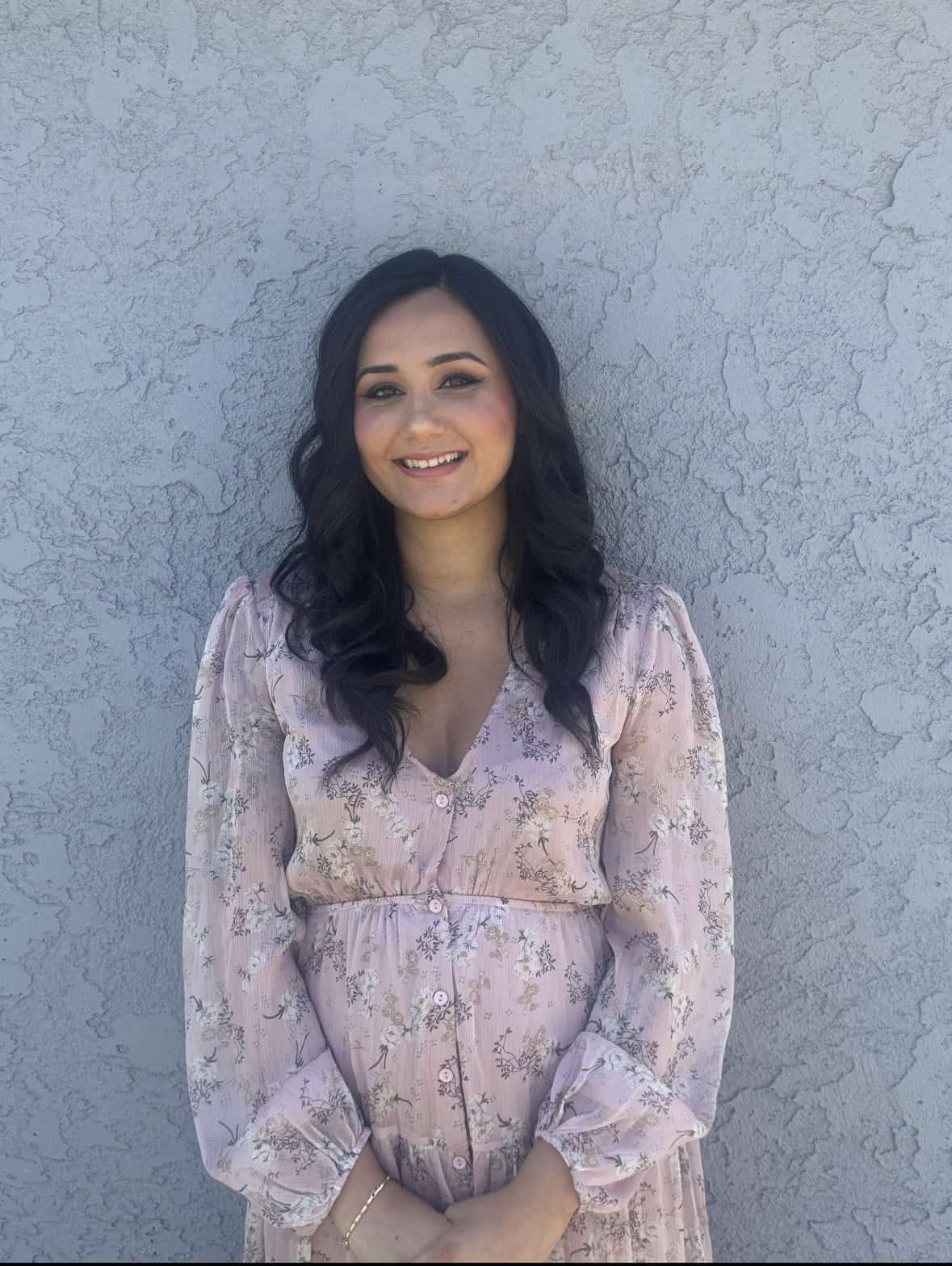
Rachel Handa, Clinical Director
Clinical Director & Therapist