Key Takeaways
- Dayton overdose death rate exceeds 80+ per 100,000 residents — among nation's highest
- Fentanyl and illicit drug supply contamination drives majority of overdose deaths
- Medication-assisted treatment combined with overdose prevention saves lives
- Dayton treatment infrastructure includes multiple harm reduction and MAT programs
- Trust SoCal intensive programs provide lifesaving treatment bridging treatment access gaps
Dayton's Overdose Crisis Context
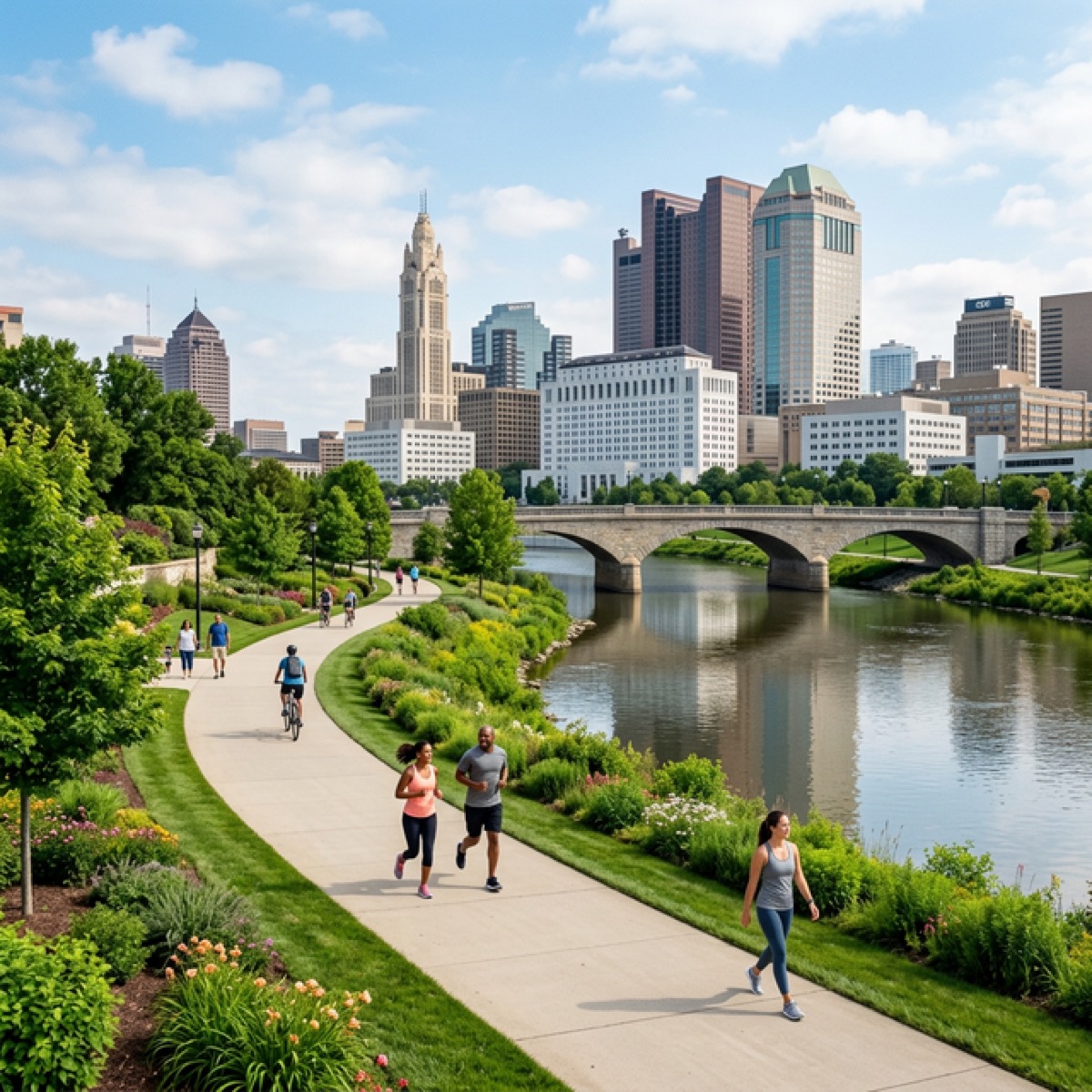
Dayton, located in Montgomery County in western Ohio, experiences overdose death rates among the highest in the United States. Annual overdose deaths have regularly exceeded 500, with overdose death rates exceeding 80 per 100,000 residents compared to national average of 20+ per 100,000. This staggering disparity reflects acute opioid epidemic, fentanyl supply contamination, and limited treatment capacity relative to need.
Dayton's economic challenges, limited employment opportunities, and social disparities correlate with high addiction prevalence. The city faces barriers to addiction treatment including wait times, insurance coverage gaps, and limited residential treatment capacity. Many Dayton residents benefit from immediate intervention and intensive treatment addressing underlying trauma and mental health conditions.
Dayton overdose death rate represents public health emergency. Immediate treatment intervention and overdose prevention measures save lives daily.
Overdose Prevention and Naloxone (Narcan)
Overdose prevention combines substance use cessation with life-saving overdose response strategies. Narcan (naloxone) nasal spray rapidly reverses opioid overdose effects, giving individuals second chances for treatment engagement. Narcan distribution programs throughout Dayton provide access to standing orders and training. Community organizations distribute Narcan free to individuals at risk and families of people who use opioids.
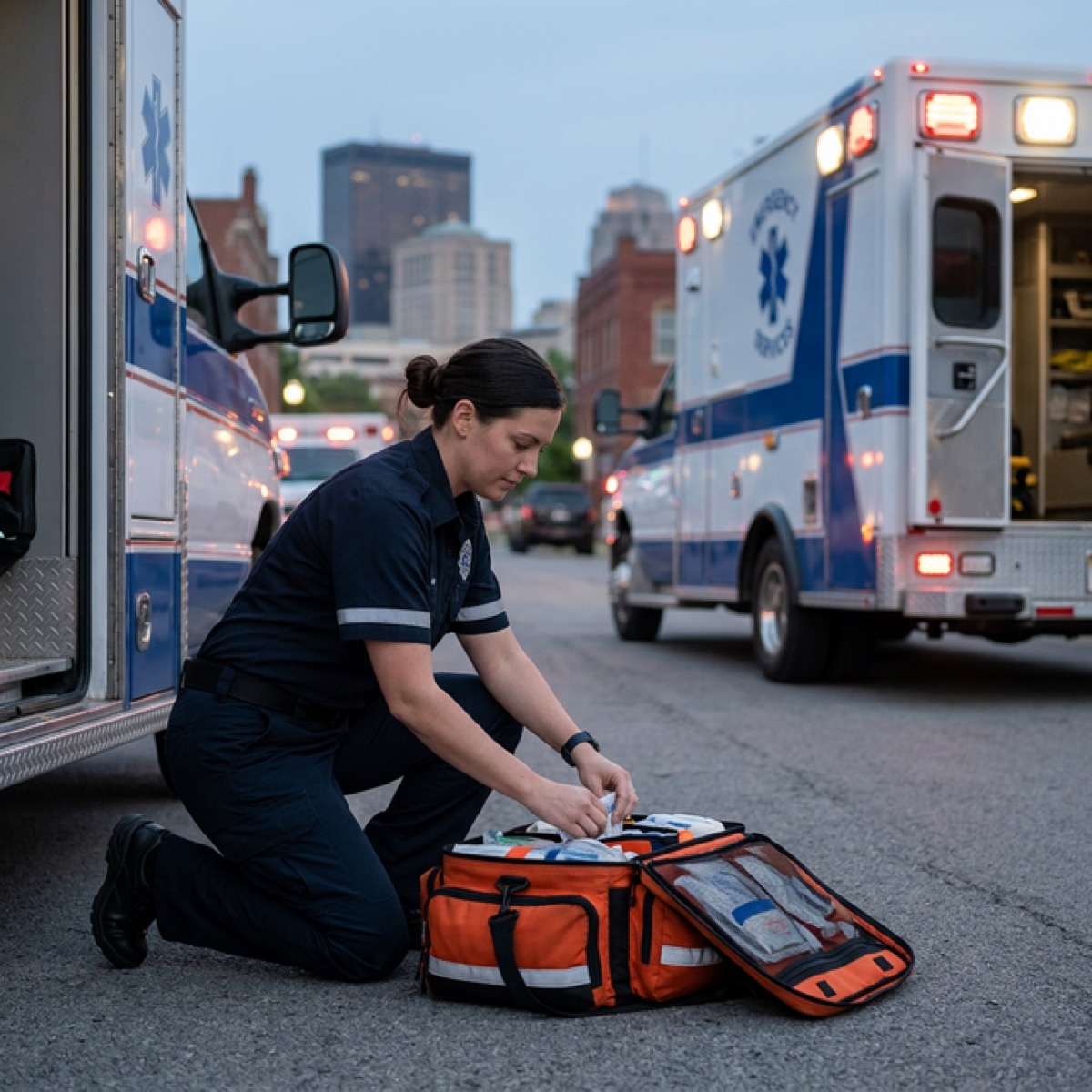
Overdose response education teaches family and friends signs of overdose (unconsciousness, blue lips/nails, shallow breathing) and proper Narcan administration. Calling 911 immediately after Narcan administration is critical as Narcan effects wear off before serum opioid levels fully reduce. Dayton Good Samaritan laws protect individuals calling 911 for overdose from prosecution, encouraging overdose response.
Overdose Response Steps
Quick overdose response significantly increases survival odds. Understanding appropriate intervention saves lives.
- Recognize overdose signs: unresponsiveness, slow/shallow breathing, blue lips/nails, limp body
- Call 911 immediately — provide overdose victim address and situation details
- Administer Narcan nasal spray per instructions (two sprays total if needed)
- Position person on side in recovery position to prevent aspiration if vomiting occurs
- Stay with person until EMS arrives and person fully awakens — do not assume recovery complete
- Hospital or detoxification follow-up after overdose emergency intervention
Dayton Treatment and Harm Reduction Programs
Dayton hosts multiple treatment and harm reduction programs addressing overdose crisis. Miami Valley Hospital and multiple community health providers offer medication-assisted treatment. Harm reduction programs including syringe exchange services reduce disease transmission and provide treatment referrals. Peer recovery specialists trained to support addiction recovery operate through multiple agencies.
Treatment Access Now (TAN) and other Dayton organizations provide rapid treatment linkage services. These organizations identify individuals ready for treatment and facilitate immediate admission reducing gaps between treatment decision and program start. This rapid connection approach increases engagement and treatment success.
California Intensive Treatment for Dayton Residents
Many Dayton residents benefit from intensive 30-90 day residential treatment in California addressing opioid addiction and underlying conditions contributing to overdose risk. California programs provide comprehensive assessment, psychiatric care, trauma processing, family involvement, and structured aftercare planning. Intensive treatment environment supports recovery foundation impossible in Dayton community with ongoing drug availability and trauma reminders.
Trust SoCal in Orange County, California, provides comprehensive opioid addiction treatment serving Dayton residents. We address overdose risk factors, mental health conditions, family dynamics, and relapse triggers. Upon return to Dayton, we coordinate comprehensive aftercare including local methadone programs, outpatient counseling, peer support groups, and employment assistance. Call (949) 280-8360 to discuss how Trust SoCal can help Dayton residents overcome addiction and overdose risk.
Intensive California treatment combined with Dayton peer support and medication-assisted care creates comprehensive overdose prevention strategy.

Trust SoCal Editorial Team, Clinical Review Board
Editorial & Clinical Review