
Key Takeaways
- College-aged individuals face unique addiction risk factors including peer pressure, newly available freedoms, high stress environments, and social cultures that normalize substance use.
- Washington State University in Pullman offers counseling and referral services for students struggling with substance use through its student health and counseling center.
- Many college students do not recognize problematic substance use as addiction, instead viewing it as normal college behavior or social experimentation.
- Early intervention during college years can prevent addiction from progressing and derailing educational and career trajectories.
- Out-of-state treatment programs designed for young adults provide alternatives for students who prefer to separate treatment from their college community and social networks.
Understanding Addiction in College and Young Adult Populations
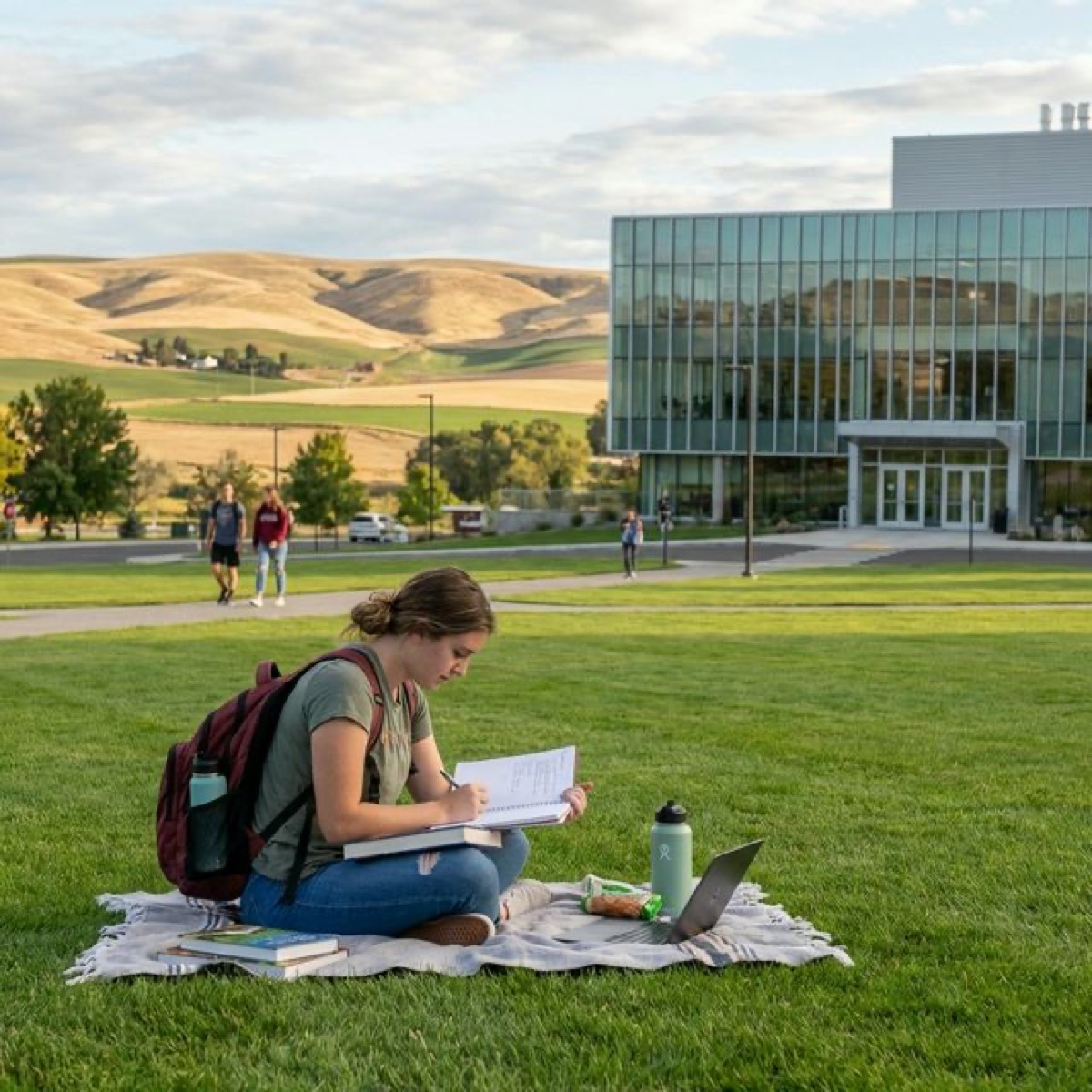
College students and young adults face a distinctive set of addiction risk factors that diverge significantly from older adults. The college environment, with its emphasis on social drinking, drug-friendly social networks, and reduced parental supervision, creates conditions where substance use can escalate rapidly from experimentation to addiction. For students at Washington State University in Pullman and young adults throughout Eastern Washington communities, understanding these risks is essential.
The developmental stage of late adolescence and early adulthood is characterized by incomplete prefrontal cortex development, increased reward sensitivity, and peer influence maximization. These brain changes create heightened vulnerability to addiction during precisely the years when college life introduces unprecedented access to substances and social situations involving drug use. Many students do not recognize their substance use as problematic because they interpret it through the lens of college culture.
College addiction frequently involves polysubstance use, combining alcohol with marijuana, prescription stimulants, opioids, or other drugs. The specific substance profile of college addiction differs from adult populations, requiring treatment approaches that address the unique developmental and social context of young adult life.
If you're a college student or young adult struggling with substance use, don't wait for problems to worsen. Trust SoCal provides college-specific addiction treatment designed for your age group and situation. Call (949) 280-8360 for a confidential assessment.
Risk Factors for College Addiction
College environments contain multiple addiction risk factors that converge to create high vulnerability periods. Understanding these factors helps students, families, and professionals recognize early signs that substance use has become problematic.
- Peer pressure and social norms normalizing heavy substance use
- Easy availability of alcohol and drugs on college campuses
- Stress from academic pressures, social integration, and identity development
- Reduced parental oversight and increased personal autonomy
- Incomplete brain development, particularly prefrontal cortex areas governing judgment
- Co-occurring anxiety, depression, or ADHD often self-medicated through substance use
How College Culture Masks Addiction
Many college students engage in objectively dangerous substance use patterns while not recognizing them as addiction. The normalization of binge drinking, the celebration of excessive drug use, and the general lack of adult supervision create environments where addiction can develop without recognition.
- Weekend binge drinking is socially normalized and encouraged in many college communities
- Drug use is integrated into social activities and seen as bonding behavior
- Students lacking substance use experience may not recognize escalating patterns
- Denial and minimization are particularly strong in college populations
- Many college drinkers and drug users meet clinical addiction criteria without recognizing it
Substance Use Patterns in College and Young Adult Communities
College students and young adults in Eastern Washington, particularly at Washington State University in Pullman and surrounding communities, exhibit substance use patterns shaped by availability, peer norms, and the college party culture. Alcohol remains the most common substance, but increasingly complex polysubstance combinations are becoming the norm.
Prescription stimulant misuse is particularly common among college students, with many viewing these medications as acceptable study aids rather than drugs of abuse. Prescription medications diverted from legitimate sources provide access to controlled substances within a veneer of legitimacy that reduces guilt and harm perception.
Marijuana use has increased significantly in college populations following legalization in Washington state. While fewer students view marijuana as problematic compared to other substances, it frequently co-occurs with other substance use and can delay treatment-seeking for individuals with underlying anxiety or depression.
Alcohol Use in College Communities
Alcohol use is deeply embedded in college social culture in Eastern Washington. Many students engage in binge drinking patterns (4+ drinks for women, 5+ for men in a single occasion) that meet addiction criteria when occurring regularly.
- Binge drinking affects approximately 40% of college students nationwide
- Many college drinkers experience negative consequences including blackouts, risky sexual behavior, academic problems
- Alcohol-related accidents, overdoses, and medical emergencies occur regularly on college campuses
- Early alcohol use is a significant risk factor for developing alcohol use disorder later in life
Prescription Stimulant Misuse Among Students
Prescription stimulants like Adderall and Ritalin are widely available in college communities, often diverted from students with legitimate ADHD prescriptions or obtained through fraudulent prescriptions. Students use these medications to enhance study focus, increase energy for partying, or self-medicate underlying ADHD, anxiety, or depression.
- Approximately 1 in 4 college students misuse prescription stimulants
- Stimulant misuse increases risks of cardiovascular problems, anxiety, and addiction
- Many students minimize stimulant misuse because they perceive the drugs as medical rather than recreational
- Combining stimulants with other substances, particularly alcohol or depressants, increases overdose and health risks
Marijuana and Other Drug Use on Campus
Marijuana use has increased in college communities since legalization in Washington. While some view marijuana as harmless, regular use in college students is associated with academic decline, memory problems, and increased risk of developing cannabis use disorder.
- Legal status has reduced stigma and increased casual marijuana use among college students
- Potency of commercially available marijuana is significantly higher than historical products
- Regular use during the college years can impair executive function and academic performance
- Marijuana use often co-occurs with other substance use and delays treatment-seeking
Addiction Treatment Resources at Washington State University and Pullman
Washington State University in Pullman provides counseling and health services for students struggling with substance use. The university's Student Health Services and Counseling and Psychological Services (CAPS) center offers screening, brief intervention, and referrals to specialized treatment programs. However, campus-based resources have capacity limitations, and many students prefer off-campus or out-of-state treatment.
For students whose substance use has progressed beyond what campus resources can address, or for those who prefer treatment away from their college community, specialized programs designed for college-age individuals are available in the Spokane area and out of state. The geographic separation from college friends, dormitory environments, and party culture can be therapeutically valuable.
Pullman and the surrounding Whitman County region have limited stand-alone addiction treatment facilities. Most college students requiring intensive treatment travel to Spokane or seek out-of-state programs. Trust SoCal specializes in college-age addiction treatment and provides programs designed specifically for young adults.
WSU students and young adults in Pullman can access campus counseling through Student Health Services as a first step. For comprehensive addiction treatment, many students benefit from specialized college-focused programs. Trust SoCal can help. Call (949) 280-8360.
WSU Campus Resources and Counseling Services
Washington State University offers confidential counseling services for students through its Student Health Services and Counseling and Psychological Services center. These services include substance use screening, brief intervention, and referrals to specialized treatment programs.
- WSU CAPS provides counseling for substance use issues affecting academic performance
- Student Health Services screens for problem alcohol and drug use
- Confidential services protect student privacy and medical records
- Referrals to specialized treatment programs available for students needing more intensive care
Community Treatment Resources in Pullman and Whitman County
Pullman's community offers limited stand-alone addiction treatment resources. Whitman County health services provide some outpatient options, but most residential and specialized programming requires travel.
- Pullman community health clinic offers basic outpatient counseling
- Spokane-area residential programs are accessible with 2-hour drive from Pullman
- Out-of-state programs provide specialized college-age addiction treatment
- Many college students benefit from geographic separation during treatment
Young Adult Addiction in Walla Walla and Surrounding Communities
Walla Walla, home to Whitman College and located in the southeast corner of Washington, has a young adult population engaged in college and early-career life. The college-dominated culture and surrounding agricultural economy create a distinctive substance use profile in this region. Young adults in Walla Walla face similar addiction risks to college students at other institutions, though the smaller community size creates unique privacy and anonymity concerns.
Whitman College students and other young adults in Walla Walla can access counseling through the college health center and community providers. However, specialized addiction treatment designed specifically for young adults requires travel outside the immediate area. Walla Walla valley's small town nature can make seeking treatment locally a privacy concern for some young adults.
For young adults in Walla Walla seeking specialized treatment with geographic separation from their home community, out-of-state programs provide valuable options. The experience of traveling to a treatment program away from one's home community often enhances engagement and commitment to recovery.
College Health Services and Counseling in Walla Walla
Both Whitman College and community health providers in Walla Walla offer substance use counseling and referral services. However, specialized residential addiction treatment requires travel outside the immediate area.
- Whitman College Health Services screens for problem substance use
- Community counselors provide outpatient support for young adults
- Specialized college-age treatment programs available in Spokane and out of state
- Out-of-state programs preferred by some young adults for privacy and fresh start
Privacy Concerns and Out-of-State Treatment in Small Communities
In smaller communities like Walla Walla, young adults may be reluctant to seek treatment locally due to privacy concerns and fear of social stigma. Out-of-state treatment provides anonymity and freedom from social exposure.
- Small community size creates legitimate privacy concerns for young adults
- Local gossip and social exposure can deter treatment-seeking
- Out-of-state programs provide confidentiality and fresh start environment
- Geographic separation enhances therapeutic engagement for some young adults
College-Specific Addiction Treatment Approaches
Effective addiction treatment for college students and young adults requires approaches specifically designed for their developmental stage, cognitive patterns, and social context. Standard adult addiction treatment often fails to engage college students because it does not address the unique aspects of college life, identity development, and peer relationships.
College-specific treatment incorporates understanding of developmental psychology, peer influence mechanisms, and the particular vulnerabilities of late adolescence and early adulthood. Treatment also addresses the impact of addiction on academic achievement, future career prospects, and identity development.
Evidence-based approaches for college addiction include motivational interviewing tailored to young adult decision-making, cognitive behavioral therapy addressing college-specific triggers, and peer support that validates the college experience while challenging substance use patterns. Family involvement is carefully balanced to support recovery without infantilizing college-age individuals.
Developmental Approaches to College Addiction Treatment
College addiction treatment must account for the developmental tasks of emerging adulthood including identity formation, autonomy development, and relationship building. Treatment that ignores these developmental needs will fail to engage college-age clients.
- Motivational interviewing aligned with college students' own values and goals
- Cognitive development approaches understanding incomplete prefrontal development
- Peer support from others in similar college contexts
- Identity work separating self-concept from substance use behaviors
Addressing Academic and Future Planning
College addiction treatment should address the impact on academics and future planning. Many college students will be motivated by concerns about their academic future, career prospects, and delayed graduation more than general health concerns.
- Academic re-engagement planning and support
- Career counseling and future planning aligned with recovery
- Communication with educational institutions about accommodations when needed
- Life skills and organizational support addressing college demands
Out-of-State College Addiction Treatment Programs
For college students whose substance use requires intensive treatment beyond what campus resources or local programs provide, out-of-state programs designed specifically for college-age individuals offer significant advantages. Trust SoCal and similar facilities provide treatment specifically designed for the developmental needs of college-age individuals with full awareness of college-specific challenges.
Geographic separation from college, friends, and the substance use environment provides therapeutic advantages. Many students report that treatment away from their college community enhances engagement and reduces the risk of relapse into familiar peer networks. The change of environment signals a genuine commitment to change and provides space for new identity development separate from college party culture.
Out-of-state treatment programs provide specialized college-age addiction treatment that regional programs may not offer. The concentration of college-age individuals in these programs creates peer communities that validate the college experience while challenging substance use.
College-age addiction requires specialized treatment designed for your developmental stage and situation. Trust SoCal specializes in young adult and college addiction treatment with programs specifically addressing college-related substance use. Call (949) 280-8360 for a confidential assessment.
Benefits of Out-of-State Treatment for College Students
Out-of-state treatment programs provide numerous advantages for college students whose local options are limited or inadequate for their treatment needs.
- Geographic separation from college friends and substance use networks
- Specialized college-age addiction treatment addressing developmental needs
- Peer community of college-age individuals with shared experiences
- Freedom to develop new identity separate from college party culture
- Southern California's climate and recreational opportunities supporting recovery
Maintaining Academic Progress and University Connections
College students considering treatment can maintain their academic progress and university connections while in out-of-state treatment. Communication with universities about leave of absence or reduced course loads supports seamless transitions.
- Medical leave of absence allows pause in coursework without penalty
- Treatment programs support academic planning for return to college
- Many students return to college after treatment with renewed focus and motivation
- Online coursework can continue for some students during treatment
Family Involvement in College Addiction Treatment
Family involvement in college addiction treatment requires careful balance. While family support is essential for recovery, treating college students like adolescents can undermine autonomy and engagement. Effective treatment engages families while respecting young adults' independence.
Parents and family members often play critical roles in motivating treatment entry, particularly when facing consequences of substance use. Family therapy helps families understand addiction, establish healthy boundaries, and provide support without enabling continued substance use. Many out-of-state treatment programs include family components that balance these needs.
For students in out-of-state programs like Trust SoCal, family involvement can include phone sessions, virtual family weeks, and planning family reunification. These approaches maintain important family connections while supporting the student's individual recovery process.
Family Communication and Education
Family involvement in addiction treatment includes education about college addiction, substance use disorders, and recovery processes. Many parents and family members lack understanding of addiction and benefit from professional education.
- Family education addresses misconceptions about addiction as moral failing
- Communication training helps families respond supportively to recovery
- Boundary-setting support helps families avoid enabling behaviors
- Virtual family programming allows distance participation in treatment
Balancing Autonomy and Family Support
College students need both family support and independence. Treatment programs support this balance by including family while respecting student autonomy.
- Students direct family involvement with professional support
- Family therapy addresses family dynamics while respecting student autonomy
- Parents learn supportive rather than controlling approaches
- Gradual reintegration with family supports long-term recovery
Taking the First Step: College Students Seeking Help
If you're a college student or young adult in Pullman, Walla Walla, or elsewhere in Eastern Washington recognizing that your substance use has become problematic, reaching out for help is a sign of strength and self-awareness. Many college students delay treatment because they minimize their substance use or fear consequences, but early intervention during college years prevents addiction from worsening and derailing your future.
Whether you start with campus counseling services, community outpatient programs, or specialized college-focused residential treatment, support is available. The specific pathway depends on your unique situation, the severity of your substance use, and your personal preferences regarding local versus out-of-state treatment.
Trust SoCal understands college addiction, the impact of substance use on academic and career futures, and the developmental needs of young adults. Our team can help you explore options and take the first step toward reclaiming your college years and future. Call (949) 280-8360 anytime for a free, confidential assessment.
Your college years are too valuable to lose to addiction. Reach out now. Trust SoCal provides free, confidential assessments for college students and young adults. Call (949) 280-8360 to discuss your situation and explore treatment options designed specifically for your age and circumstances.

Trust SoCal Editorial Team, Clinical Review Board
Editorial & Clinical Review


