Key Takeaways
- Cleveland's proximity to pharmaceutical networks contributed to heroin and fentanyl epidemic
- Heroin and fentanyl addiction requires specialized medication-assisted treatment preventing overdose
- Cleveland treatment capacity insufficient for current demand requiring out-of-region options
- California intensive treatment provides bridge to sustainable Cleveland community recovery
- Trust SoCal coordinates complete care pathway from California back to Cleveland support systems
Cleveland's Heroin and Fentanyl Epidemic
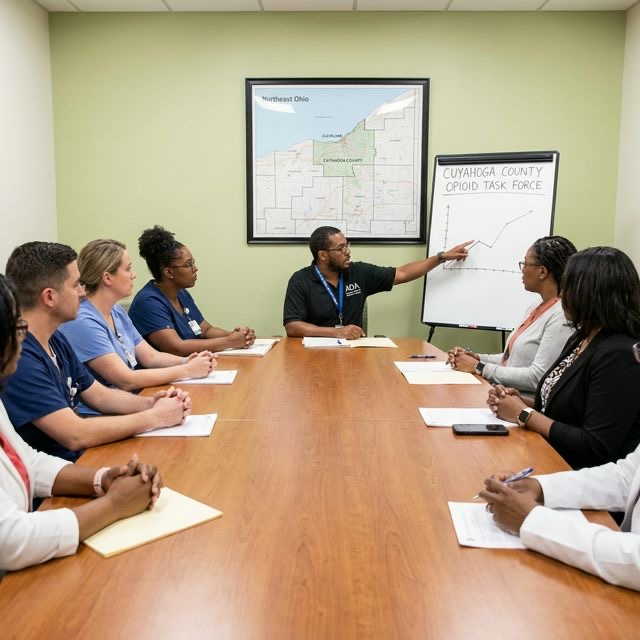
Cleveland, located in Cuyahoga County in northeastern Ohio, experiences devastating heroin epidemic with fentanyl contamination significantly increasing overdose deaths. The city's industrial history, economic challenges in specific neighborhoods, and pharmaceutical supply chain proximity contributed to widespread heroin introduction and addiction. Today, heroin represents dominant opioid substance on Cleveland streets, with fentanyl and fentanyl analogs increasingly present in heroin supply.
Heroin addiction creates severe neurobiological dependence and psychological compulsion. Users develop rapid tolerance requiring escalating doses and frequent administration. Heroin withdrawal causes severe physical discomfort and psychological distress driving continued use. Fentanyl contamination creates unpredictable overdose risk—users cannot reliably estimate drug potency or contents, dramatically increasing overdose lethality.
Cleveland heroin and fentanyl contamination create constant overdose danger. Immediate specialized treatment intervention and overdose prevention measures save lives.
Heroin Addiction Neurological Effects and Withdrawal
Heroin binds to opioid receptors throughout the brain and spinal cord, disrupting natural pain regulation, reward processing, and stress response systems. Chronic heroin use causes the brain to reduce natural opioid production, creating dependence where normal functioning requires heroin presence. Stopping heroin use triggers severe withdrawal involving intense pain, nausea, diarrhea, anxiety, and depression.
Heroin withdrawal is extraordinarily uncomfortable but not typically fatal in adults without significant medical complications. However, withdrawal intensity drives relapse and continued use. Medication-assisted treatment prevents withdrawal discomfort while opioid receptors gradually normalize. This biological support allows individuals to engage in behavioral therapy and lifestyle changes essential for sustained recovery.
Heroin Withdrawal Symptoms and Timeline
Understanding withdrawal timeline helps individuals anticipate discomfort and sustain treatment engagement through difficult early recovery phases.
- 6-12 hours: Initial anxiety, sweating, yawning, runny nose, pupil dilation
- 12-24 hours: Muscle aches, back pain, restlessness, insomnia intensifying
- 24-72 hours: Peak withdrawal discomfort with nausea, vomiting, diarrhea, severe anxiety
- 3-7 days: Gradual symptom reduction though mood disturbance and sleep disruption continue
- Weeks 2-4: Anhedonia (inability to feel pleasure), depression, fatigue, psychological cravings
Cleveland Medication-Assisted Treatment Options
Cleveland offers multiple medication-assisted treatment options addressing heroin addiction. Methadone clinics operating under federal regulation provide daily or reduced-frequency dosing for individuals with severe addiction. Buprenorphine prescribers increasingly operate in office-based settings throughout Cleveland through primary care physicians, addiction specialists, and federally-qualified health centers.
Medication selection depends on individual factors including addiction severity, employment flexibility, medical history, and personal preference. Methadone provides full opioid replacement with strong euphoria prevention. Buprenorphine provides partial opioid replacement reducing overdose risk if combined with other opioids. Both medications combined with behavioral therapy demonstrate highest success rates.
Cleveland medication-assisted treatment prevents withdrawal and overdose risk. Combined with therapy, MAT addresses heroin addiction comprehensively.
Behavioral Therapy and Psychosocial Treatment
Medication-assisted treatment addresses biological heroin dependence, but behavioral and psychological factors drive continued use despite negative consequences. Cognitive-behavioral therapy helps individuals identify triggers, develop coping skills, and modify thought patterns supporting addiction. Motivational interviewing explores ambivalence about change and strengthens commitment to recovery goals.
Cleveland treatment programs integrate intensive outpatient counseling, group therapy, and peer recovery support alongside medication. Trauma-focused therapy addresses often-underlying trauma contributing to heroin use as pain management strategy. Family therapy rebuilds relationships damaged by addiction. These psychosocial interventions address addiction comprehensively alongside medication.
Why Cleveland Residents Choose California Treatment
Many Cleveland heroin-addicted individuals benefit from intensive 30-90 day residential treatment in California before returning to Cleveland for ongoing recovery support. California treatment provides specialized heroin addiction programs, comprehensive psychiatric evaluation addressing co-occurring mental health conditions, and family involvement options. Geographically removing from Cleveland social environment reduces relapse triggers while building recovery foundation.
Trust SoCal in Orange County, California, specializes in heroin and opioid addiction treatment serving Cleveland residents. Our comprehensive programs address addiction alongside trauma, depression, anxiety, and other conditions contributing to heroin use. Upon return to Cleveland, we coordinate transition with local methadone clinics, buprenorphine prescribers, outpatient treatment programs, and peer recovery support ensuring continuity. Contact us at (949) 280-8360 to explore Cleveland heroin treatment pathways.
California intensive treatment provides structured recovery foundation. Combined with Cleveland community support systems, comprehensive recovery pathway achieves sustainable sobriety.

Trust SoCal Editorial Team, Clinical Review Board
Editorial & Clinical Review