
Key Takeaways
- Children of parents with substance use disorders are two to four times more likely to develop addiction themselves, but genetics are not destiny.
- Adverse childhood experiences including parental addiction significantly increase the risk of mental health challenges, substance use, and chronic disease.
- Early intervention, therapy, and education about family history can dramatically reduce the risk of continuing the cycle.
- Building strong coping skills, emotional regulation, and healthy relationships serves as a protective factor against addiction.
- Recovery for the parent can be transformative for the child, modeling resilience, accountability, and the possibility of change.
The Science of Generational Addiction
The question of whether addiction runs in families has been studied extensively, and the evidence is clear: genetics play a significant role. Research indicates that approximately 40 to 60 percent of a person's vulnerability to addiction can be attributed to genetic factors. Children who grow up with a parent with substance use disorder carry a statistically higher risk of developing addiction themselves.
However, genetics tell only part of the story. Epigenetics — the study of how environmental factors influence gene expression — reveals that a genetic predisposition does not guarantee addiction. Environmental factors such as parental behavior, household stability, access to support, and early intervention can either activate or suppress genetic vulnerabilities.
Understanding this science is empowering rather than discouraging. It means that while children of addicts may carry a higher risk, they also have the power to influence their outcomes through informed choices, healthy environments, and proactive mental health care. At Trust SoCal, we incorporate this understanding into our family education programs, helping families break the cycle with knowledge and intentional action.
The National Institute on Drug Abuse reports that children of parents with addiction are two to four times more likely to develop substance use disorders, but the majority do not develop addiction when protective factors are in place.
Adverse Childhood Experiences and Their Lasting Effects
The landmark Adverse Childhood Experiences (ACE) study established a direct correlation between childhood trauma and a wide range of negative health outcomes in adulthood. Parental substance abuse is one of the ten categories of ACEs, and children who experience it often accumulate additional ACEs such as emotional neglect, witnessing domestic violence, and household instability.
Each additional ACE a child experiences increases their risk exponentially. A person with four or more ACEs is seven times more likely to develop alcoholism and twelve times more likely to attempt suicide compared to someone with zero ACEs. These statistics are sobering, but they underscore why early intervention is so critical.
Children who grow up in homes affected by addiction often develop hypervigilance, difficulty trusting others, challenges with emotional regulation, and a distorted sense of what constitutes normal family life. These patterns, once established, can persist well into adulthood and influence relationship choices, parenting styles, and coping mechanisms unless they are consciously addressed.
Recognizing the Patterns
Breaking a cycle requires first recognizing that one exists. Many adult children of addicts do not realize how profoundly their upbringing shaped them until they encounter challenges in relationships, parenting, or their own substance use. Common patterns include gravitating toward chaotic relationships, difficulty setting boundaries, people-pleasing, hyperresponsibility, and using substances or other behaviors to manage stress.
Self-awareness is the first step toward change. If you grew up with a parent who struggled with addiction, consider whether any of these patterns resonate with your experience. This is not about assigning blame but about understanding the origins of behaviors that may no longer serve you.
- Difficulty trusting others and fear of abandonment
- Taking on excessive responsibility for other people's emotions and well-being
- Struggling to identify or express your own needs and feelings
- Gravitating toward relationships with people who have addiction or mental health challenges
- Using substances, food, work, or other behaviors to numb or cope with stress
- Feeling anxious in calm environments, as if waiting for something bad to happen
- Difficulty with intimacy and vulnerability in close relationships
Protective Factors That Break the Cycle
Research has identified several protective factors that can significantly reduce the risk of addiction in children of parents with substance use disorders. These factors do not eliminate risk entirely, but they create a buffer that helps children develop resilience and healthy coping skills even in the face of adversity.
A stable, supportive relationship with at least one caring adult — whether a parent, grandparent, teacher, coach, or mentor — is one of the most powerful protective factors identified. This relationship provides the safety, consistency, and modeling that children need to develop secure attachment and emotional regulation.
Community involvement, academic engagement, strong social connections, and access to mental health support all contribute to resilience. For families in the Orange County area, Trust SoCal provides family education programs that help parents in recovery understand how to cultivate these protective factors for their children.
Key Protective Factors
Building these elements into a child's life can dramatically shift their trajectory, even when genetic and environmental risk factors are present.
- At least one stable, caring adult relationship
- Open, honest communication about family history of addiction
- Access to therapy or counseling, especially during transitions
- Strong school engagement and positive peer relationships
- Development of healthy coping and stress management skills
- Community involvement through sports, arts, faith, or volunteering
Therapy and Professional Support
Therapy is one of the most effective tools for breaking the generational cycle of addiction. For children currently living with a parent who has a substance use disorder, play therapy, art therapy, and age-appropriate talk therapy can help them process their experiences and develop healthy coping strategies.
For adult children of addicts, modalities such as cognitive behavioral therapy, EMDR, and family systems therapy can help unpack the patterns established in childhood and replace them with healthier alternatives. Therapy is not a sign of weakness — it is a proactive step toward ensuring that the cycle ends with you.
Trust SoCal in Fountain Valley offers comprehensive family programming that includes therapy for both the person in recovery and their family members. Our clinicians are experienced in working with intergenerational trauma and can help your family build a new legacy. Call (949) 280-8360 to learn more.
Talking to Your Children About Family Addiction History
If you are a parent who grew up with addiction in your family — whether or not you developed a substance use disorder yourself — having age-appropriate conversations with your children about family history is an important preventive measure. These conversations are not about scaring your children but about equipping them with information they need to make informed choices.
Frame the conversation around health and genetics, similar to how you might discuss a family history of heart disease or diabetes. Explain that addiction runs in families and that this means they may need to be especially mindful about substances. Emphasize that knowledge is power and that being aware of risk does not mean they will develop addiction.
Model healthy coping strategies in your own life. Children learn far more from what they observe than from what they are told. If they see you managing stress through exercise, therapy, social connection, and other healthy outlets, they internalize those patterns as normal behavior.
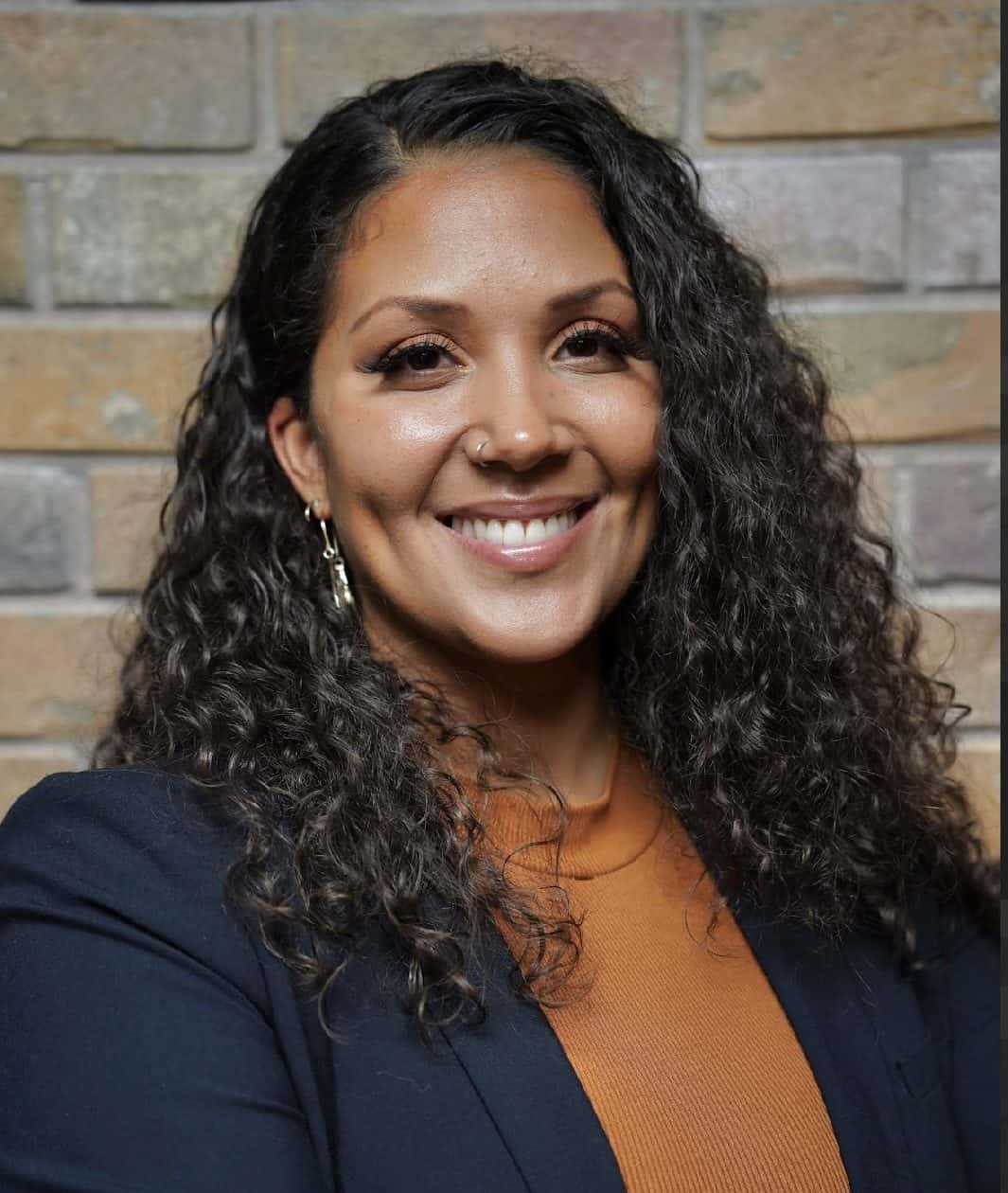
Courtney Rolle, CMHC
Clinical Mental Health Counselor