Key Takeaways
- The core clinical principles of effective addiction intervention, including compassionate communication, clear boundary-setting, and pre-arranged treatment access, are the same regardless of the individual`s socioeconomic status or public profile.
- Celebrity interventions typically involve additional logistical considerations including media management, confidentiality agreements, and coordination with professional teams, but these factors do not change the underlying therapeutic approach.
- The CRAFT (Community Reinforcement and Family Training) method has demonstrated the highest evidence-based success rates for motivating treatment entry, with approximately 64-74% of loved ones entering treatment, compared to about 30% for traditional confrontational interventions.
- Financial resources can expand treatment options but do not predict recovery outcomes; research consistently shows that therapeutic engagement and aftercare participation are stronger predictors of success than facility cost.
Debunking the Myth of the Glamorous Celebrity Intervention
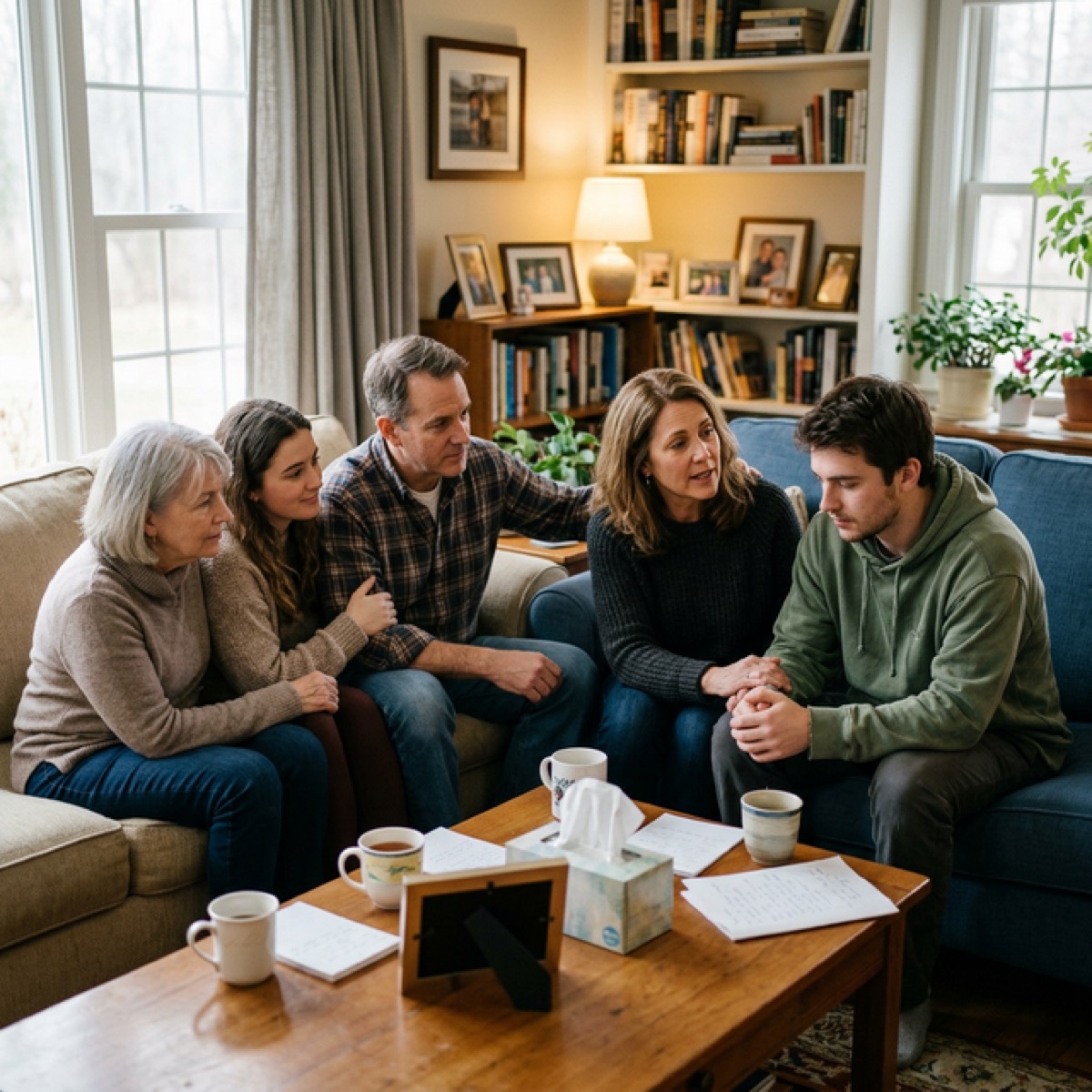
Popular culture, influenced heavily by reality television and tabloid media, has created a misleading image of celebrity interventions as dramatic, high-stakes events involving luxury amenities and emotional confrontations. In practice, professional interventionists who work with high-profile clients report that the process is fundamentally the same as any family intervention: a carefully structured conversation designed to help a person recognize the impact of their substance use and accept an offer of professional treatment.
The intervention models used in clinical practice, whether for celebrities or everyday families, are grounded in the same evidence base. The Johnson Model, developed at the Johnson Institute in the 1960s, involves a group of loved ones presenting prepared statements about how addiction has affected them, followed by a direct request to enter treatment. The ARISE (A Relational Intervention Sequence for Engagement) model takes a graduated approach, beginning with an invitational conversation and escalating only if necessary. The CRAFT model, developed by Dr. Robert Meyers, trains family members to modify their own behavior in ways that make treatment entry more appealing to the individual with addiction.
What differs in celebrity interventions is not the clinical methodology but the logistics. High-profile interventions may involve confidentiality agreements for all participants, coordination with publicists or managers, arrangements for media management during the treatment entry process, and selection of treatment facilities with experience serving public figures. These logistical layers add complexity but do not alter the fundamental therapeutic dynamics that determine whether an intervention succeeds.
What Celebrity and Everyday Interventions Have in Common
Research in addiction medicine consistently identifies several factors that predict intervention success, and none of them are related to wealth, fame, or access to luxury treatment. The most important predictors include the quality of the relationship between the intervention participants and the individual, the degree of preparation and professional guidance involved, the availability of an immediate treatment placement, the consistency and follow-through of consequences outlined during the intervention, and the emotional tone of the conversation, with compassionate approaches outperforming confrontational ones.
A 2018 meta-analysis published in the journal Drug and Alcohol Dependence examined intervention effectiveness across diverse populations and found no significant correlation between socioeconomic status and intervention success rates. The single strongest predictor of positive outcomes was the involvement of a trained intervention professional, whether the family had modest means or unlimited resources. This finding underscores a critical message: effective interventions are accessible to anyone willing to seek professional guidance.
At Trust SoCal, we work with families throughout Orange County and Southern California to provide intervention support and immediate treatment placement. Our admissions team at (949) 280-8360 can coordinate same-day or next-day admissions following a successful intervention, ensuring that the window of motivation is not lost to logistical delays. Whether you are a family in Huntington Beach or Garden Grove, the pathway to treatment begins with the same compassionate, evidence-based process.
The CRAFT method teaches family members specific communication skills that increase the likelihood of treatment entry. Research shows CRAFT achieves a 64-74% treatment engagement rate compared to approximately 30% for confrontational approaches. Ask Trust SoCal about family support resources.
Unique Challenges in Celebrity Interventions and What They Teach Us
While the core process is the same, celebrity interventions do present unique challenges that illuminate broader truths about addiction and recovery. One significant challenge is the "enablement ecosystem" that often surrounds high-profile individuals. Agents, managers, publicists, personal assistants, and other professional associates may have financial incentives to maintain the status quo, even when the individual`s substance use is clearly destructive. This dynamic is not unique to celebrities; many families and workplaces inadvertently enable addiction through well-intentioned accommodations that shield the individual from consequences.
Another challenge is the role of identity. For public figures, their celebrity persona may be deeply intertwined with substance use, whether through a "party lifestyle" brand, creative output associated with altered states, or social networks centered on substance-heavy environments. This identity entanglement makes the prospect of sobriety feel like a threat to selfhood, not just a lifestyle change. Addiction therapists recognize this same dynamic in everyday patients whose identities are tied to drinking culture, recreational drug use, or social groups where substance use is the central activity.
The lessons from celebrity intervention challenges are universally applicable. Effective recovery requires disrupting enablement patterns, restructuring social environments, and helping individuals develop a new sense of identity that does not depend on substances. Trust SoCal`s treatment programs address all of these dimensions through comprehensive therapeutic approaches including individual and group therapy, family systems work, and structured aftercare planning.

Trust SoCal Editorial Team, Clinical Review Board
Editorial & Clinical Review