Key Takeaways
- Alcohol and opioids both suppress the central nervous system, and their combined effect on breathing is synergistic, meaning the respiratory depression is greater than the sum of each substance individually.
- Approximately 15 percent of opioid overdose deaths involve concurrent alcohol use, making this one of the most lethal substance combinations.
- Even moderate alcohol consumption combined with a prescribed opioid dose can slow breathing to dangerous levels, particularly during sleep.
- Treatment for concurrent alcohol and opioid dependence requires specialized medical protocols that manage withdrawal from both substances safely.
Why Alcohol and Opioids Are a Lethal Pairing
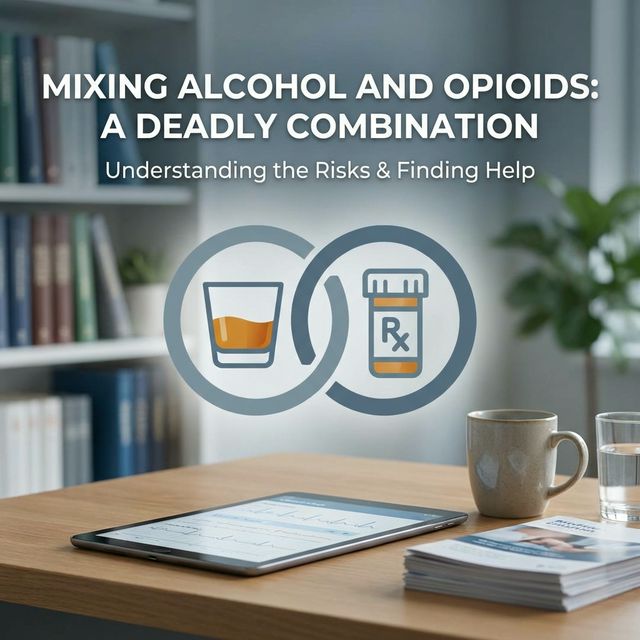
Alcohol and opioids represent two of the most commonly used central nervous system (CNS) depressants, and their concurrent use produces one of the most dangerous pharmacological interactions in substance medicine. Both substances independently suppress brain activity, particularly the brainstem regions that control automatic functions including breathing, heart rate, and consciousness. When combined, their depressant effects are not merely additive but synergistic, meaning that modest amounts of each substance together can produce respiratory depression far beyond what either would cause alone.
The pharmacological explanation for this synergy lies in the distinct but complementary mechanisms through which each substance suppresses brain function. Opioids bind to mu-opioid receptors in the brainstem, directly reducing the sensitivity of respiratory neurons to carbon dioxide levels in the blood. Alcohol enhances GABA-A receptor activity while simultaneously reducing glutamate (excitatory) neurotransmission. Together, these mechanisms suppress breathing through multiple independent pathways, creating a redundant shutdown of respiratory drive.
At Trust SoCal in Fountain Valley, our medical team regularly treats individuals who combine alcohol and opioids, often without fully appreciating the risk. Some individuals use prescription opioid painkillers alongside their normal alcohol consumption. Others use illicit opioids and drink simultaneously. In both cases, education about the synergistic danger is a critical component of treatment and relapse prevention.
The FDA issued a Black Box Warning, the most serious safety warning, on all opioid and benzodiazepine medications regarding the risk of concurrent use with alcohol. This warning reflects the high fatality rate associated with combining CNS depressants.
How Alcohol Amplifies Opioid Overdose Risk
The mechanism by which alcohol amplifies opioid overdose risk involves multiple physiological pathways. First, alcohol impairs judgment and memory, increasing the likelihood that an individual will forget how many opioid pills they have taken or will take an additional dose while intoxicated. Second, alcohol alters the liver's metabolism of opioids, potentially slowing their breakdown and increasing blood levels beyond what a given dose would normally produce.
Third, and most critically, alcohol's independent suppression of respiratory drive compounds the opioid's direct suppression of brainstem respiratory centers. An opioid dose that would produce moderate respiratory depression on its own can produce profound, life-threatening hypoventilation when combined with even a few alcoholic drinks. During sleep, when breathing is already at its shallowest, this combined depression can stop breathing entirely.
Research published in the journal Anesthesiology demonstrated that even low doses of alcohol (blood alcohol levels as low as 0.05 percent) significantly increased the respiratory depressant effects of opioids in healthy volunteers. For individuals with existing respiratory conditions, sleep apnea, or older adults, the threshold for dangerous respiratory depression is even lower.
Common Scenarios Where This Combination Occurs
Understanding the real-world scenarios in which alcohol-opioid combinations occur helps identify at-risk populations and intervention opportunities. The most common scenarios range from inadvertent combinations by prescription medication users to intentional polysubstance abuse patterns.
Many individuals who receive opioid prescriptions for pain management continue their normal alcohol consumption without realizing the interaction risk. A person taking hydrocodone after dental surgery who has two glasses of wine at dinner is engaging in a dangerous combination, often without any warning from their dispensing pharmacy beyond small-print label information. Elderly patients managing chronic pain with opioid medications are particularly vulnerable, as age-related changes in liver function and respiratory capacity compound the interaction risk.
- Post-surgical patients drinking alcohol while taking prescribed opioid painkillers
- Chronic pain patients maintaining social drinking habits alongside opioid therapy
- Individuals with alcohol use disorder who also use heroin or illicit fentanyl
- Young adults combining prescription opioids with alcohol at social events
- Individuals who take opioid medications before bed after an evening of drinking
- People self-medicating anxiety or insomnia with both alcohol and opioid medications
Recognizing a Combined Alcohol-Opioid Overdose
Recognizing the signs of a combined alcohol-opioid overdose is essential because this type of overdose can progress to death more rapidly than either substance alone. The primary danger is respiratory failure, and the signs reflect progressively worsening respiratory function combined with deepening unconsciousness.
Early signs include extreme drowsiness that progresses beyond normal intoxication, slurred speech more severe than alcohol intoxication alone would explain, loss of coordination and inability to stand or walk, and confusion or disorientation. As the overdose progresses, breathing becomes visibly slow and shallow, sometimes with irregular pauses between breaths. The skin may become pale or develop a bluish tint, particularly around the lips and fingernails, indicating oxygen deprivation.
If you observe these signs, call 911 immediately. If naloxone (Narcan) is available, administer it. Naloxone will reverse the opioid component of the overdose but will not address alcohol intoxication, so continued monitoring and emergency medical care remain essential. Position the person on their side to prevent aspiration if they vomit, and stay with them until emergency services arrive.
California's Good Samaritan Law provides legal protections for individuals who call 911 to report an overdose. Do not hesitate to call for help. The legal protection exists specifically to encourage life-saving action.
Treatment for Co-Occurring Alcohol and Opioid Dependence
Treating co-occurring alcohol and opioid dependence requires a specialized medical approach that accounts for the distinct withdrawal syndromes of each substance and their potential interactions during the detox process. Alcohol withdrawal carries seizure risk, while opioid withdrawal produces intense physical discomfort and cravings. Managing both simultaneously demands expert clinical judgment and continuous medical monitoring.
At Trust SoCal, our medical detox protocol for dual alcohol-opioid dependence begins with comprehensive assessment and stabilization. Medications for alcohol withdrawal management, including benzodiazepines administered on a symptom-triggered protocol, are carefully balanced with opioid withdrawal management using buprenorphine or other appropriate medications. Vital signs, withdrawal severity, and overall medical status are monitored continuously throughout the process.
Following detox, integrated treatment addresses both substance dependencies simultaneously. Cognitive behavioral therapy, motivational enhancement, group therapy, and medication management work together to build sustainable recovery skills. Understanding the specific triggers and patterns associated with each substance helps clients develop targeted relapse prevention strategies. Contact Trust SoCal at (949) 280-8360 to discuss treatment options for co-occurring alcohol and opioid dependence.

Rachel Handa, Clinical Director
Clinical Director & Therapist