Key Takeaways
- Alcohol is the most commonly abused substance in Pima County, contributing to more emergency department visits, hospitalizations, and deaths than any other single drug when chronic disease effects are included.
- Alcohol withdrawal can be medically dangerous and potentially fatal, making supervised medical detox at Banner-UMC or Tucson Medical Center essential for heavy drinkers.
- Tucson's bar culture, particularly along Fourth Avenue, Congress Street, and University Boulevard near the UA campus, creates an environment where alcohol is deeply normalized and triggers are pervasive.
- AHCCCS covers comprehensive alcohol treatment in Pima County including detox, residential, outpatient, and medication-assisted treatment with naltrexone, acamprosate, or disulfiram.
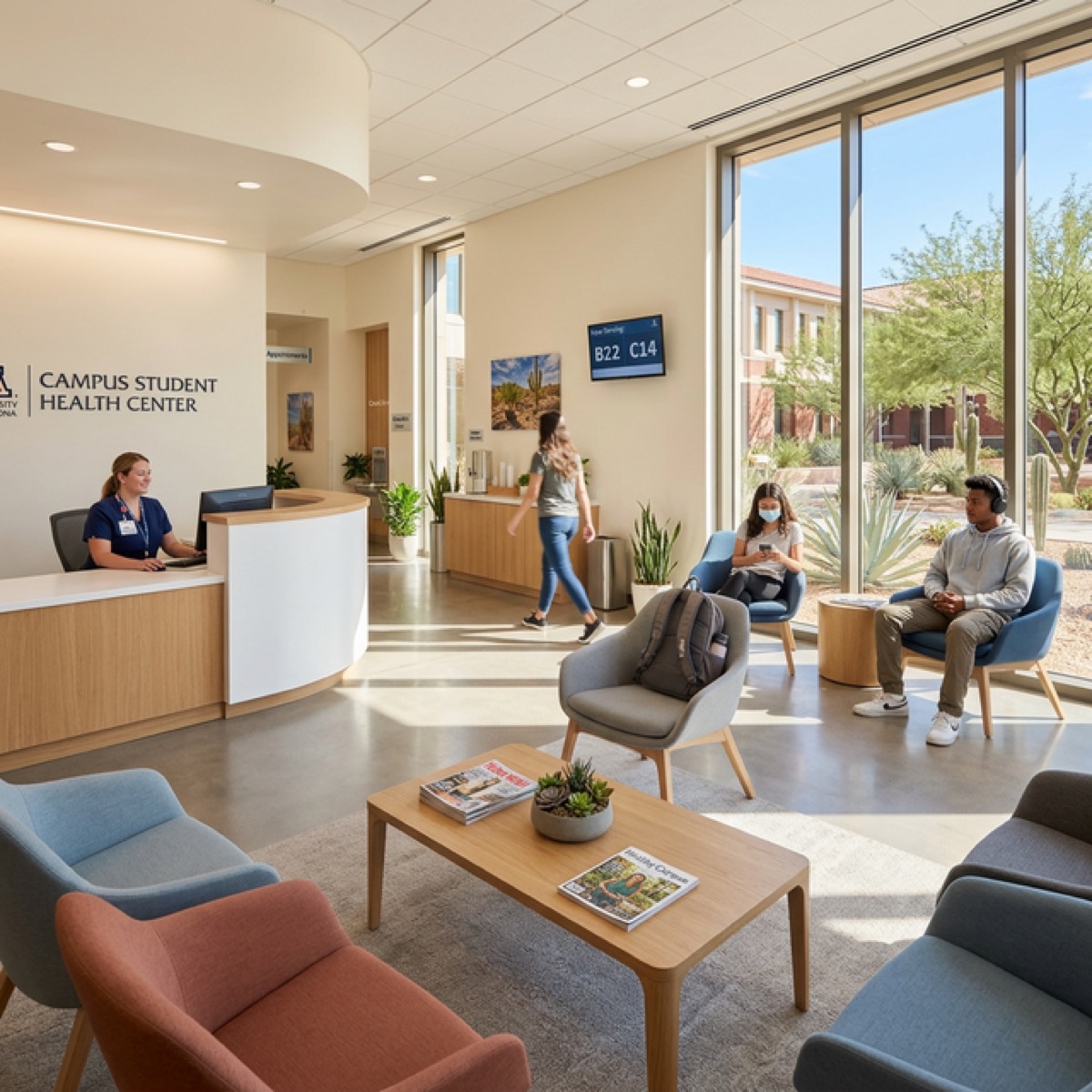
- The University of Arizona campus culture contributes to high rates of binge drinking and alcohol use disorder among young adults, with Campus Health offering screening and referral services.
- Trust SoCal in Fountain Valley, CA offers specialized alcohol addiction treatment and can provide the geographic separation from Tucson's bar culture that some residents need for successful recovery.
The Scope of Alcohol Addiction in Tucson and Pima County
While opioids and methamphetamine dominate news coverage of addiction in Southern Arizona, alcohol remains the single most destructive substance in Tucson and Pima County by virtually every measure. Pima County hospitals treat thousands of alcohol-related emergency cases annually, from acute intoxication and withdrawal to alcohol-related liver disease, pancreatitis, and cardiac events. The Tucson Police Department makes over 5,000 DUI arrests each year, the majority involving alcohol. Domestic violence reports, child welfare cases, and workplace incidents tied to alcohol abuse place an enormous burden on Tucson's social services infrastructure.
Tucson's relationship with alcohol is complex. The city has a vibrant bar and restaurant scene concentrated along Fourth Avenue, Congress Street, and the University Boulevard corridor near the UA campus. Craft breweries, wine bars, and cocktail lounges are woven into the cultural fabric of the community. For many residents, social life revolves around environments where alcohol is central. This cultural normalization makes it particularly difficult for individuals in early recovery to navigate social situations and avoid triggers, a challenge that distinguishes alcohol addiction from many other substance use disorders.
According to the Arizona Department of Health Services, alcohol-related deaths in Pima County exceed opioid deaths when chronic conditions like liver cirrhosis, alcohol-related cardiomyopathy, and alcohol-associated cancers are included. Alcohol is the third leading preventable cause of death in Arizona behind tobacco and poor diet/physical inactivity.
Alcohol and the University of Arizona
The University of Arizona, with over 50,000 enrolled students, significantly shapes Tucson's alcohol landscape. The bar scene along University Boulevard, Fourth Avenue, and the surrounding neighborhoods caters heavily to the student population, and binge drinking is deeply embedded in campus culture. Greek life, tailgating at Arizona Wildcats football games, and the general social pressure to drink create an environment where problematic alcohol use often goes unrecognized until it becomes severe.
- National surveys consistently rank University of Arizona among schools with the highest rates of student alcohol consumption
- Binge drinking among UA students is estimated at 35 to 40 percent, well above the national college average
- Alcohol-related emergency transports from the UA campus and surrounding areas spike dramatically during fall football season and spring semester events
- Campus Health Service offers BASICS (Brief Alcohol Screening and Intervention for College Students) for at-risk students
Alcohol and Tucson's Veteran Community
Davis-Monthan Air Force Base and the broader veteran community in Tucson represent another population with elevated alcohol use disorder rates. Military culture has historically normalized heavy drinking, and many veterans use alcohol to self-medicate for PTSD, depression, anxiety, and chronic pain developed during service. The Southern Arizona VA Health Care System treats hundreds of veterans for alcohol use disorder each year, but many more go untreated due to stigma, denial, or reluctance to engage with the VA system.
- Veterans are approximately twice as likely as civilians to develop alcohol use disorder, according to VA research
- Co-occurring PTSD and alcohol use disorder is particularly common among combat veterans at Davis-Monthan AFB
- The Southern Arizona VA offers comprehensive alcohol treatment including detox, residential, outpatient, and MAT
- Non-VA treatment options are available for veterans who prefer civilian programs or who are not VA-eligible
The DUI Pipeline to Treatment
DUI arrests serve as a significant entry point to alcohol treatment in Tucson. Arizona has some of the strictest DUI laws in the nation, with mandatory minimum jail time even for first offenses. Courts frequently mandate substance abuse evaluation and treatment as part of sentencing, and many Tucson residents first engage with the treatment system through court-ordered programming. While court-mandated treatment is not always as effective as voluntary engagement, it provides a critical touchpoint that can plant the seeds of recovery.
- Arizona mandates a minimum of 24 consecutive hours in jail for a first-offense DUI, with 30 days for extreme DUI
- Court-ordered substance abuse evaluation is standard in Pima County DUI cases
- Multiple Tucson providers specialize in court-mandated DUI treatment programs and education classes
- A DUI arrest can be a catalyst for recognizing the severity of alcohol addiction and seeking voluntary treatment
Medical Detox for Alcohol: Why Supervised Withdrawal Is Critical
Unlike withdrawal from many other substances, alcohol withdrawal can be medically dangerous and potentially life-threatening. Delirium tremens (DTs), a severe form of alcohol withdrawal characterized by confusion, rapid heartbeat, fever, and seizures, occurs in approximately 3 to 5 percent of individuals undergoing withdrawal from heavy, prolonged alcohol use. Without medical supervision, DTs carry a mortality rate of up to 15 percent. Even less severe alcohol withdrawal typically involves symptoms like tremors, anxiety, insomnia, nausea, and elevated blood pressure that benefit from medical management.
In Tucson, medical detox for alcohol is available at Banner-University Medical Center South campus, Tucson Medical Center, and through community providers like CODAC Health. The detox process typically lasts 5 to 7 days for alcohol, with benzodiazepines administered on a tapering protocol to prevent seizures and manage withdrawal symptoms. Vital signs, neurological status, and symptom severity are monitored around the clock using standardized assessment tools like the CIWA-Ar (Clinical Institute Withdrawal Assessment for Alcohol, Revised).
Never attempt to quit drinking abruptly after prolonged heavy use without medical supervision. Alcohol withdrawal seizures and delirium tremens can be fatal. If you or someone you love has been drinking heavily for weeks or months, contact a medical provider or go to an emergency department before attempting to stop.
Alcohol Rehab Programs in Tucson: Levels of Care
Effective alcohol addiction treatment in Tucson follows the ASAM continuum of care, with placement determined by the severity of the addiction, medical and psychiatric complexity, recovery environment, and the individual's motivation and support system. After completing medical detox (if needed), most individuals benefit from a structured treatment program that addresses the psychological, behavioral, and social dimensions of alcohol use disorder.
Tucson's alcohol treatment programs range from intensive residential facilities to flexible outpatient arrangements. The appropriate level of care depends on individual circumstances, but research consistently shows that more intensive and longer-duration treatment produces better outcomes for alcohol use disorder. Programs that integrate behavioral therapy (particularly CBT and motivational enhancement therapy), medication management, family involvement, and relapse prevention planning offer the most comprehensive approach to alcohol recovery.
Residential Treatment for Alcohol Addiction
Residential programs provide 24-hour care in a structured, substance-free environment. For individuals with severe alcohol use disorder, co-occurring mental health conditions, or unstable living situations, residential treatment offers the containment and focus needed for early recovery. Programs in the Tucson area typically last 30 to 90 days and include daily therapy sessions, psychiatric care, life skills development, and structured recreational activities.
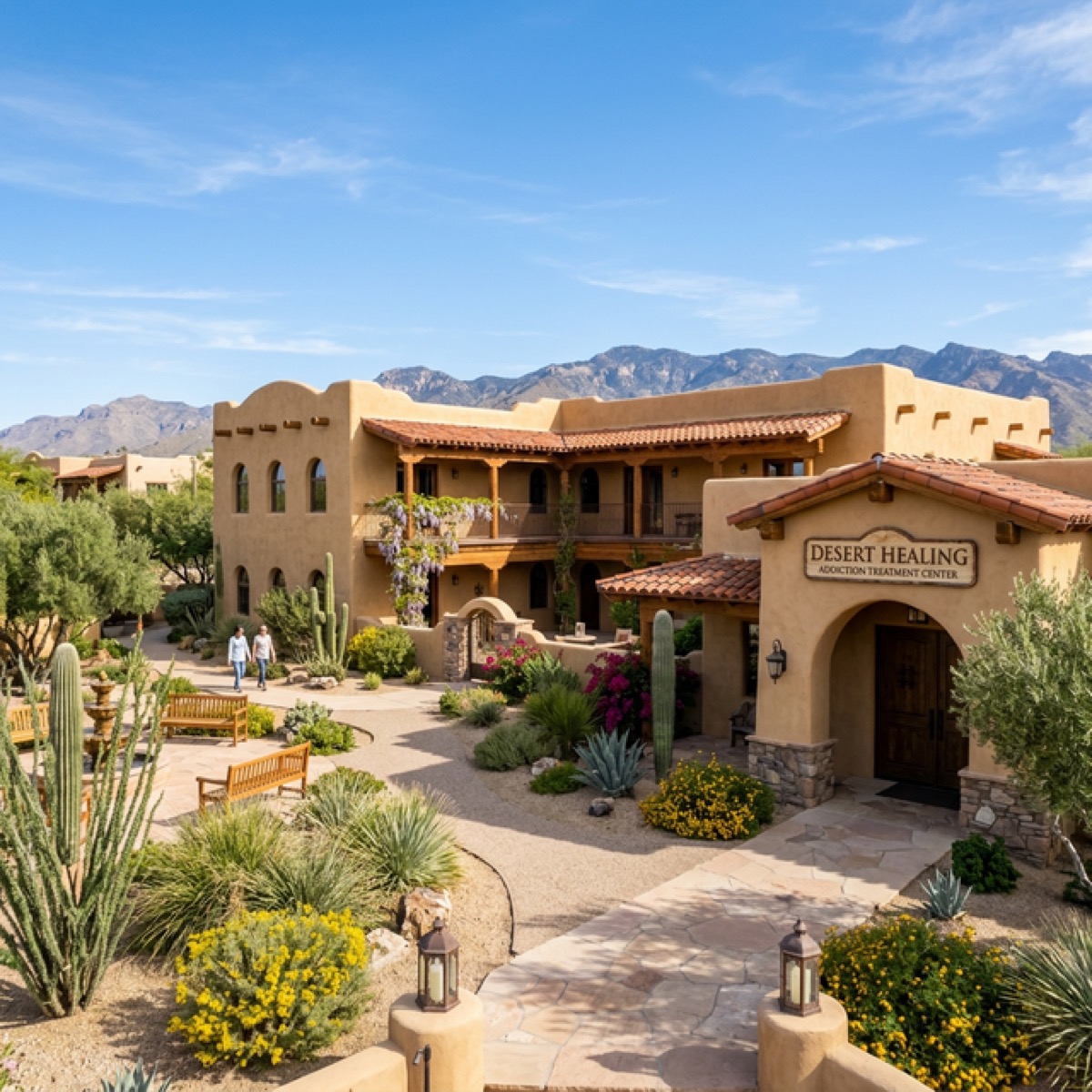
- Cottonwood Tucson offers residential treatment in a serene desert campus setting with comprehensive programming
- CODAC Health provides AHCCCS-funded residential treatment beds for qualifying Pima County residents
- Residential programs remove individuals from the bar culture and social drinking environments that dominate Tucson
- Most programs include family programming to address the relational damage caused by alcohol addiction
Outpatient Treatment Options
PHP, IOP, and standard outpatient programs allow individuals to receive structured treatment while maintaining work, school, or family responsibilities. These programs are appropriate as step-down from residential treatment or as the primary level of care for individuals with less severe presentations and strong support systems. Tucson has multiple outpatient providers, with most located along the central Broadway and Grant Road corridors.
- PHP programs meet 5 to 6 days per week and provide near-residential intensity for alcohol treatment
- IOP typically meets 3 to 4 days per week for 3 hours per session, often with morning or evening options
- Group therapy focused on alcohol-specific issues like triggers, cravings, social pressure, and relapse prevention
- Many outpatient programs incorporate family therapy and couples counseling to address alcohol's impact on relationships
Medications for Alcohol Use Disorder
Three FDA-approved medications are available for alcohol use disorder: naltrexone, acamprosate, and disulfiram. Naltrexone blocks the pleasurable effects of alcohol and reduces cravings, available in both daily oral and monthly injectable (Vivitrol) formulations. Acamprosate helps restore chemical balance in the brain disrupted by chronic alcohol use. Disulfiram causes an unpleasant reaction when alcohol is consumed, serving as a deterrent. These medications are underutilized in Tucson despite strong evidence supporting their effectiveness.
- Naltrexone (oral or Vivitrol injection) reduces alcohol cravings and the rewarding effects of drinking
- Acamprosate supports abstinence by addressing brain chemistry changes from chronic alcohol use
- Disulfiram (Antabuse) creates adverse physical reactions to alcohol consumption as a deterrent
- Combining medication with behavioral therapy produces the best outcomes for alcohol use disorder
The Recovery Community in Tucson: Meetings, Support, and Sober Activities
Tucson has an active recovery community that provides essential ongoing support for individuals overcoming alcohol addiction. Alcoholics Anonymous meetings are held at dozens of locations throughout the city, from central Tucson churches and community centers to meetings in Oro Valley, Marana, and Green Valley. The Tucson Area Intergroup of Alcoholics Anonymous maintains an updated meeting directory and operates a helpline for newcomers seeking their first meeting. For those who prefer non-12-step approaches, SMART Recovery, Refuge Recovery (Buddhism-based), and secular recovery groups are also represented in Tucson.
Building a sober social life in Tucson requires intentionality given the prominence of bar culture, but options exist. The recovery community hosts regular events including sober cookouts, hiking groups that explore trails in the Santa Catalina Mountains and Saguaro National Park, recovery-focused fitness groups, and holiday celebrations. Tucson's natural environment, with accessible trails at Sabino Canyon, Gates Pass, and along the Rillito River Walk, provides abundant opportunities for outdoor activities that support physical and emotional wellbeing without involving alcohol.
Alcohol Addiction and Tucson's Unique Cultural Factors
Understanding the cultural context of alcohol use in Tucson is important for effective treatment and recovery planning. The Sonoran Desert culture of Southern Arizona blends Mexican, Native American, and Western American traditions in ways that influence attitudes toward drinking. Celebrations like Dia de los Muertos, the Tucson Gem and Mineral Show social events, UA Wildcats game-day culture, and the vibrant Fourth Avenue street fair scene all involve alcohol as a central social lubricant. Recognizing these cultural patterns is essential for building a sustainable recovery plan.
For Hispanic and Latino residents, who make up approximately 44 percent of Pima County's population, alcohol use is often embedded in family and community celebrations in ways that can make abstinence feel culturally isolating. Bilingual and culturally sensitive treatment programs, such as those offered by El Rio Health and Clinica Amistad, are important resources for this population. Similarly, the Native American communities surrounding Tucson face disproportionate rates of alcohol-related harm, and culturally appropriate treatment that integrates traditional healing practices alongside evidence-based clinical care produces the best outcomes for these individuals.
Recovery from alcohol addiction in Tucson means learning to navigate a city where drinking is woven into the social fabric. It requires building new traditions, finding sober community, and sometimes finding the courage to step away from environments that no longer serve your health. That journey is challenging, but it is possible.
When Tucson Residents Should Consider Out-of-State Alcohol Treatment
For some Tucson residents, the pervasiveness of alcohol culture in their local environment makes achieving and maintaining sobriety exceptionally difficult. If your social life revolves around the Fourth Avenue bar scene, if tailgating and post-game drinking at UA events is a central part of your identity, if your coworkers regularly gather at happy hours along Congress Street, or if you have tried local treatment without sustained success, leaving Tucson for treatment may provide the separation needed to break deeply entrenched patterns.
Orange County, California offers a treatment environment that is fundamentally different from Tucson. The coastal setting, robust recovery community, and wide range of specialized alcohol treatment programs provide Tucson residents with options that may not be available locally. Trust SoCal, located at 16537 Elm Cir, Fountain Valley, CA 92708, offers comprehensive alcohol addiction treatment including medical detox, residential programming, and step-down outpatient care with a strong emphasis on relapse prevention and aftercare planning for clients returning to Arizona.
Getting Help: Resources and Next Steps for Tucson Residents
If you recognize that alcohol has become a problem in your life or the life of someone you love, the time to act is now. Alcohol addiction is progressive, meaning it gets worse over time without intervention. The liver damage, brain changes, relationship destruction, and career consequences that accumulate with continued heavy drinking are not inevitable if you seek help before it is too late. Start by talking to your primary care provider about your drinking, or call AHCCCS to explore your treatment benefits if you believe you may qualify for Medicaid coverage.
For Tucson residents ready to explore treatment options, both locally and in Southern California, Trust SoCal provides free, confidential assessments by phone. The clinical team can help you determine the appropriate level of care, verify your insurance benefits, and coordinate travel logistics if out-of-state treatment is the right fit. Call (949) 280-8360 to begin the conversation. Whether you attend treatment at Banner-UMC, CODAC Health, Cottonwood Tucson, or Trust SoCal in Fountain Valley, the decision to seek help is the most important one you will ever make for your health and your future.
You do not need to hit "rock bottom" to seek treatment for alcohol addiction. If drinking is causing problems in your health, relationships, career, or daily functioning, you deserve help now. Call the SAMHSA helpline at 1-800-662-4357 or Trust SoCal at (949) 280-8360 for immediate, confidential guidance.

Kristin Stevens, LCSW
Licensed Clinical Social Worker