

Key Takeaways
- Bend (Deschutes County), Medford (Jackson County), and other smaller communities have limited residential treatment capacity, requiring travel to larger cities or out of state.
- Outpatient treatment is available in most Oregon communities, but specialized services for adolescents, dual diagnosis, and medication-assisted treatment vary significantly.
- I-5 corridor communities (Medford, Springfield) are closer to Portland and have more access to treatment options than central Oregon locations (Bend, Klamath Falls).
- Smaller communities often lack anonymity in treatment settings, making geographic distance for treatment a meaningful clinical consideration.
- Interstate highways (I-5 from the south, Highway 97 from central Oregon, Highway 199 from the coast) provide pathways to larger treatment hubs.
Addiction Challenges in Smaller Oregon Communities
Oregon's smaller communities stretch from Bend in central Oregon at 100,000+ population down to communities with just a few thousand residents: Ashland, Grants Pass, Klamath Falls, and others. These communities face the same opioid and methamphetamine challenges as larger cities but with fewer resources to address them. Workforce shortages in behavioral health mean that treatment specialists are concentrated in Portland, Salem, and Eugene, leaving smaller communities underserved.
Smaller communities present both protective and risk factors for substance use. On the protective side, stronger social networks and community cohesion can provide support. On the risk side, limited anonymity can make treatment-seeking feel more public, and gossip networks can follow individuals throughout their recovery. For some people, the solution is to seek treatment in a larger city or out of state where anonymity is greater.
Access to treatment varies significantly across smaller communities. Bend (Deschutes County) has several outpatient programs but no residential treatment capacity. Medford (Jackson County) has more resources due to larger population and proximity to I-5. Ashland and other southern Oregon communities have minimal treatment infrastructure. Klamath Falls and other eastern Oregon communities are geographically isolated, requiring travel to larger hubs for most treatment.
If you live in a smaller Oregon community and need addiction treatment, call Trust SoCal at (949) 280-8360. We serve residents from all parts of Oregon.
Overdose Deaths in Smaller Oregon Communities
Smaller communities report overdose deaths at rates comparable to or exceeding larger cities, despite smaller total populations. This means that from a community perspective, the opioid crisis can feel severe and personal.
- Jackson County (Medford area) averaged over 40 overdose deaths annually from 2020-2023.
- Deschutes County (Bend area) has seen rising overdose deaths, particularly involving fentanyl.
- Per-capita rates of overdose in some rural counties exceed urban rates.
- Lack of access to emergency services in some rural areas increases the lethality of overdoses.
Treatment Resources in Central Oregon: Bend and Deschutes County
Bend is a vibrant community of about 100,000 residents in the high desert of central Oregon. The area has attracted retirees, outdoor recreation enthusiasts, and young adults seeking affordable living and access to hiking, skiing, and natural beauty. Deschutes County has invested in treatment expansion but faces capacity limits. The nearest major treatment hubs are Salem (150 miles) and Portland (160 miles).
Deschutes County provides outpatient substance use treatment through county health services and contracted providers. Several clinics in Bend and surrounding communities provide assessment, counseling, and medication-assisted treatment. For residential treatment, residents must travel to Salem, Portland, or out of state. Many Bend residents, particularly young adults who work in recreation and hospitality, find that leaving the area for treatment provides necessary geographic distance from their using environment.
Bend's outdoor recreation culture can be both supportive and triggering for recovery. The healthy lifestyle, outdoor activities, and recovery-minded community are assets. Conversely, the social scene around bars, festivals, and outdoor recreation can include substance use, creating trigger situations for individuals in early recovery.
Bend residents seeking residential treatment should contact Central Oregon Health Council or consider out-of-state programs. Trust SoCal serves Bend residents and can often admit within 24 hours. Call (949) 280-8360.
Treatment Options in Central Oregon
Deschutes County offers limited but essential treatment services in Bend and the surrounding area.
- Central Oregon Health Council provides outpatient substance use treatment.
- Bend Clinic offers assessment and counseling services.
- Several primary care clinics provide buprenorphine treatment.
- Medication-assisted treatment is available at multiple locations.
- Residential treatment requires travel to Salem, Portland, or out of state.
Treatment Resources in Southern Oregon: Medford, Ashland, and Jackson County
Southern Oregon stretches from the I-5 corridor near Medford to smaller mountain communities like Ashland and remote areas like Grants Pass and Josephine County. Medford, with a population of about 80,000, is the largest city in the region and has more treatment resources than surrounding communities. Ashland (home to Southern Oregon University) has a young adult population and specific treatment needs, though capacity is limited.
Jackson County has developed substance use treatment services centered on Medford, including outpatient programs, medication-assisted treatment, and limited residential capacity. Rogue Community Health Center provides primary care and substance use treatment to uninsured and low-income individuals. For residential treatment, most Jackson County residents travel to Portland (350 miles) or consider out-of-state programs in California.
Southern Oregon's location on I-5, just north of the California border, makes California treatment programs particularly accessible. Many southern Oregon residents find that driving to California (3-4 hours) or flying via Portland International Airport (150 miles) is reasonable, especially when considering the quality and availability of California treatment programs.
Southern Oregon residents are close to California. Trust SoCal in Orange County is 9-10 hours away by car or accessible via flight to Los Angeles or John Wayne Airport.
Treatment Resources in Jackson County
Jackson County provides a continuum of outpatient treatment but limited residential capacity.
- Jackson County Health and Human Services coordinates publicly funded treatment.
- Rogue Community Health Center provides substance use assessment and treatment.
- Outpatient counseling and medication-assisted treatment are available in Medford.
- Residential treatment requires travel to Portland or out of state.
Southern Oregon University and Ashland Treatment Needs
Ashland, home to Southern Oregon University and approximately 22,000 residents, has a significant young adult population. SOU students and other young people in Ashland face substance use risks similar to other college communities.
- SOU Student Health Services provide screening and referral.
- Limited residential treatment is available locally; regional options in Portland are needed.
- Outpatient programming exists but has limited capacity for youth.
- Geographic isolation from Portland (350 miles) makes out-of-state treatment worth considering.
Treatment Resources in Smaller Southern Oregon Communities
Grants Pass (Josephine County), Klamath Falls (Klamath County), and other communities south and east of the I-5 corridor have very limited treatment infrastructure. Most residents must travel to Medford, Portland, or out of state for residential treatment. Outpatient options may be available but are often limited.
Josephine County (Grants Pass area) has experienced significant opioid-related deaths and has worked to develop treatment resources, but capacity remains limited. Klamath County (Klamath Falls) is geographically remote, with Portland being 350 miles away and travel more challenging due to mountain terrain.
For residents of these smaller, more remote communities, out-of-state treatment can be particularly appealing. The travel distance is significant (10-15 hours to California), but residential treatment programs handle logistics for clients, making the practical barriers manageable. Many prefer travel to a high-quality program with capacity over waiting months for local treatment.
Residents of remote Oregon communities face unique treatment access challenges. Trust SoCal coordinates all travel logistics and can admit within 24 hours. Call (949) 280-8360.
Geographic Barriers in Smaller Communities
Some Oregon communities are geographically remote, making access to any treatment provider challenging.
- Grants Pass is 350 miles from Portland on a curvy mountain road.
- Klamath Falls is equally remote, with limited flight options.
- Highway 395 connects these communities to California, but travel is still significant.
- Weather in mountain communities can make winter travel hazardous.
- Cost of travel to treatment hubs is a barrier for uninsured and low-income individuals.
Why Smaller Community Residents Choose Out-of-State Treatment
Residents of smaller Oregon communities choose out-of-state treatment for several converging reasons. First, geographic distance from their home community provides anonymity and separation from substance-using networks that local treatment cannot offer. Second, larger treatment programs in California have more residential capacity, shorter wait times, and more specialized programming. Third, the practical distance to California (while significant) is less than the psychological weight of staying in a small community where recovery feels impossible.
For young adults in Bend, Medford, Ashland, or Grants Pass, the experience of returning to a small community after using drugs can feel suffocating. Everyone knows about the addiction, and social recovery is as difficult as clinical recovery. Travel to treatment in a place where no one knows your history can be transformative.
Trust SoCal has worked with residents of all Oregon communities, including the smallest and most remote. We understand the logistical challenges, the insurance questions, and the psychological barriers. Our admissions team can arrange everything from initial assessment to airport pickup and accommodation during treatment.
Wherever you are in Oregon, Trust SoCal can help. From Bend to Klamath Falls to the coast, we serve all Oregon residents at (949) 280-8360.
Accessing Treatment in Smaller Oregon Communities: Practical Steps
If you live in a smaller Oregon community and are seeking treatment, your first steps are: (1) contact your county health department or behavioral health services for information about local options; (2) ask your primary care provider about buprenorphine if you have an opioid addiction; (3) call SAMHSA's national helpline at 1-800-662-4357 for referrals specific to your community; and (4) contact Trust SoCal or other out-of-state programs to understand your options.
Your county health department can tell you what treatment exists locally and can help you access it regardless of insurance status. If local options are insufficient, your county should be able to help with referrals to larger cities or out-of-state programs. Oregon's Medicaid program (Oregon Health Plan) can provide coverage for treatment in any state in some circumstances.
Do not let geographic location prevent you from seeking treatment. Treatment is available. Your county can help connect you. And professional treatment programs exist specifically to help people navigate logistics and access care regardless of where they live.
Your county health department is the starting point. If local treatment is insufficient, out-of-state options are available. Call Trust SoCal at (949) 280-8360 anytime.
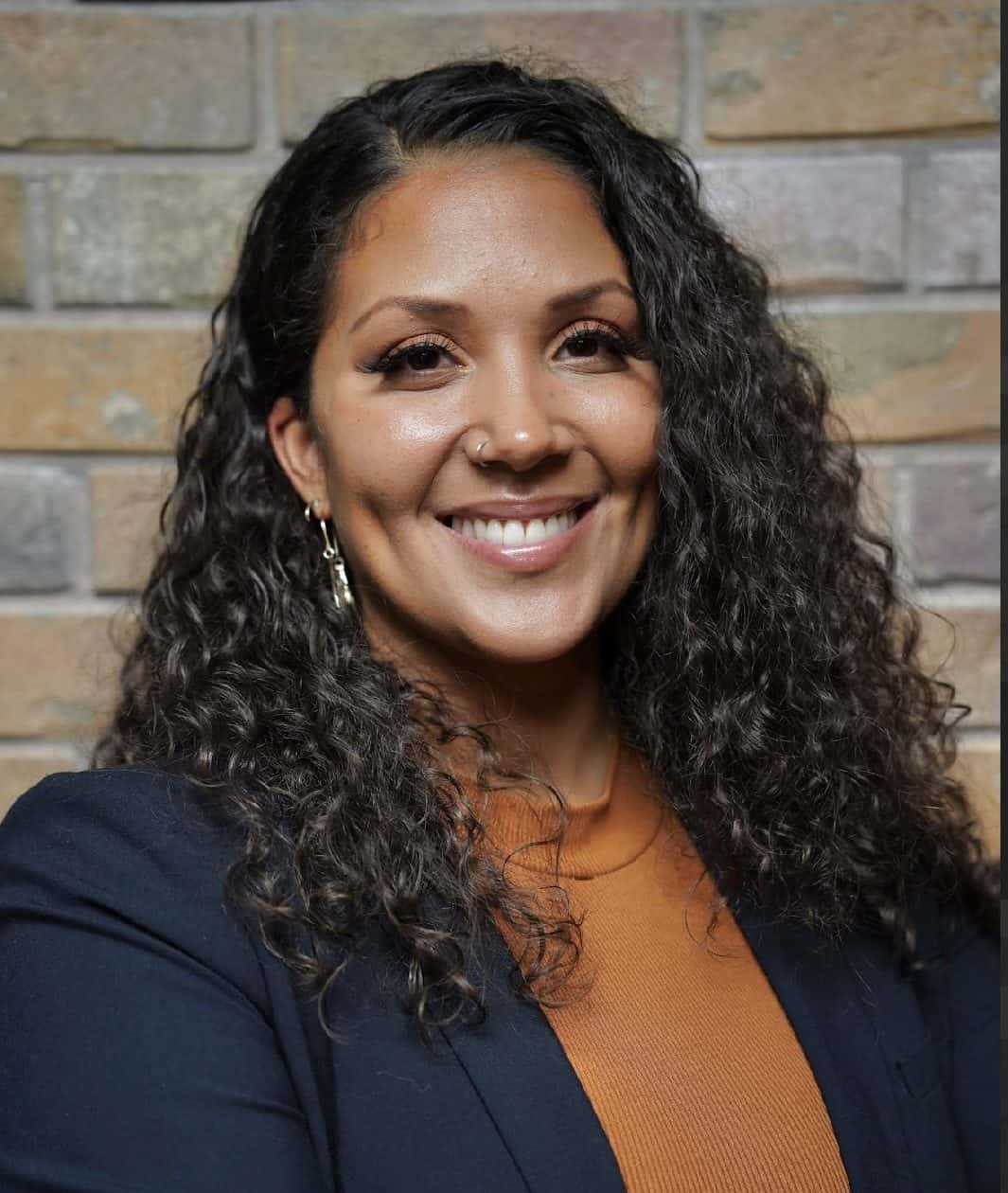
Courtney Rolle, CMHC
Clinical Mental Health Counselor


