Trust SoCalDrug & Alcohol Treatment Center
Trust SoCalDrug & Alcohol Treatment Center
JCAHO-accredited addiction treatment 5-7 hour flight from Taylors
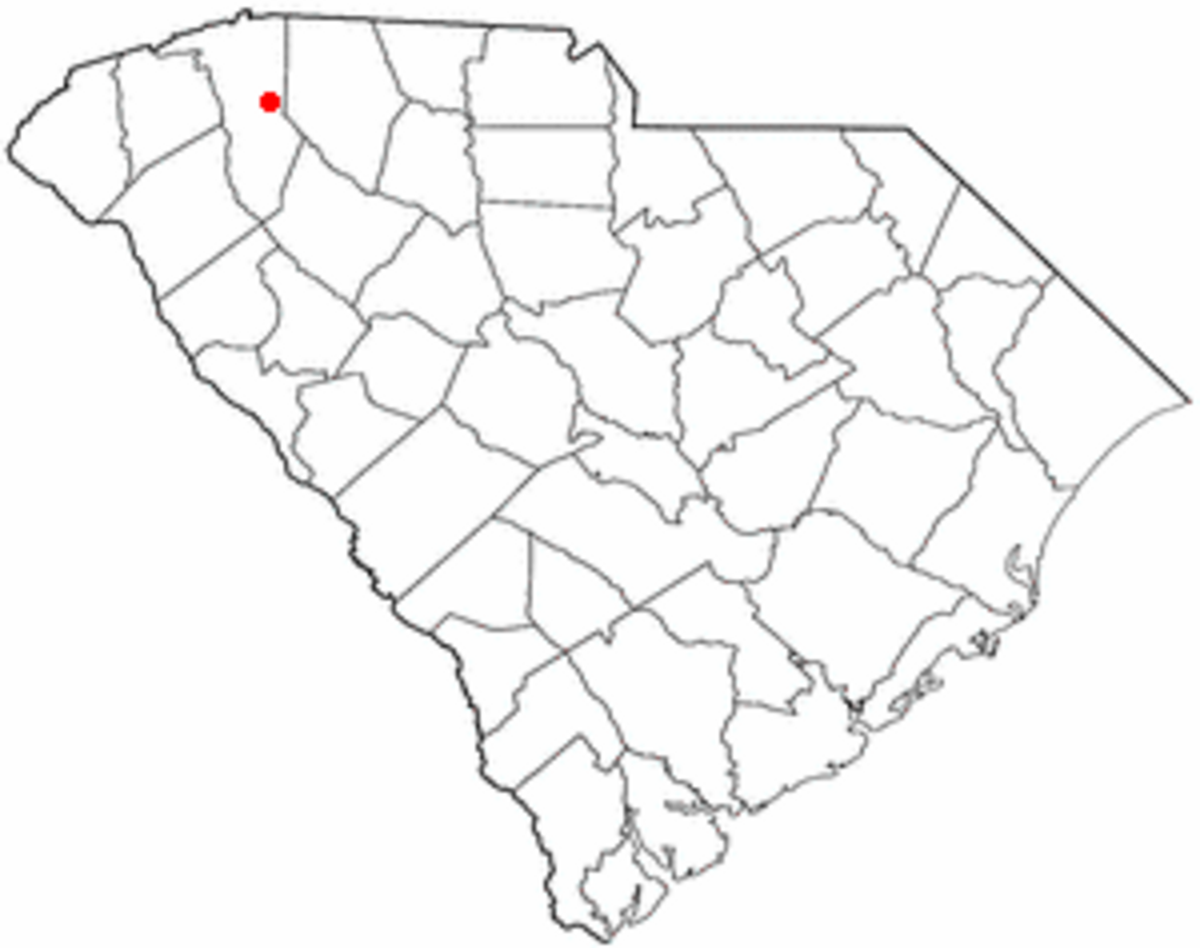
Taylors, South Carolina is a growing community in the Southeast, with an estimated population of 21,617 residents. For many households, treatment decisions are shaped by the overlap between substance use, mental health strain, and practical life pressure from logistics corridors, warehousing, and freight-linked jobs. Trust SoCal supports clients from Taylors through a full continuum that includes medical detox when indicated, residential treatment, partial hospitalization, intensive outpatient care, and structured discharge coordination. The goal is not short-term interruption; the goal is clinical continuity that holds under normal family and work pressure. Clients traveling approximately 2026 miles (5-7 hour flight) to Orange County often report that physical separation from daily triggers creates enough space to reset sleep, stabilize symptoms, and rebuild decision quality. During treatment, clinical teams address co-occurring depression, anxiety, trauma, or sleep dysregulation in parallel with substance use patterns so progress is coherent rather than fragmented. Because sleep disruption from shift work and long commutes is common for many people returning to Taylors, planning includes realistic scheduling, communication boundaries, and high-risk scenario rehearsal before discharge. This approach is designed to reduce re-entry shock and improve follow-through once clients return home. Across South Carolina, care teams continue to identify inconsistent dual-diagnosis integration across providers as a recurring risk point. For that reason, Trust SoCal emphasizes transition sequencing with named responsibilities, confirmed appointments, and step-down programming from PHP to IOP with measurable objectives. Families receive practical guidance on supportive accountability, relapse warning signs, and what to do in the first 24 hours if risk escalates. The result is a treatment pathway built for real life in Taylors: clinically rigorous, operationally clear, and structured to maintain momentum after formal treatment intensity steps down.
Trust SoCal is located at 16537 Elm Cir, Fountain Valley, CA 92708. Taylors is approximately 2026 miles from our Fountain Valley facility. Whether you are dealing with alcohol addiction, opioid dependence, stimulant use, or co-occurring mental health conditions, our clinical team builds personalized treatment plans tailored to each individual.
Drive Time
~5-7 hour flight
Distance
~2026 miles
Route
I-10 cross-country corridor or connecting flight into John Wayne Airport (SNA)
Taylors, South Carolina is a growing community in the Southeast, with an estimated population of 21,617 residents. For many households, treatment decisions are shaped by the overlap between substance use, mental health strain, and practical life pressure from manufacturing, operations, and shift-based industrial employment. Trust SoCal supports clients from Taylors through a full continuum that includes medical detox when indicated, residential treatment, partial hospitalization, intensive outpatient care, and structured discharge coordination. The goal is not short-term interruption; the goal is behavioral stabilization that holds under normal family and work pressure. Clients traveling approximately 2026 miles (5-7 hour flight) to Orange County often report that physical separation from daily triggers creates enough space to reset sleep, stabilize symptoms, and rebuild decision quality. During treatment, clinical teams address co-occurring depression, anxiety, trauma, or sleep dysregulation in parallel with substance use patterns so progress is coherent rather than fragmented. Because burnout from carrying multiple family responsibilities is common for many people returning to Taylors, planning includes realistic scheduling, communication boundaries, and high-risk scenario rehearsal before discharge. This approach is designed to reduce re-entry shock and improve follow-through once clients return home. Across South Carolina, care teams continue to identify few high-accountability options after discharge as a recurring risk point. For that reason, Trust SoCal emphasizes transition sequencing with named responsibilities, confirmed appointments, and first-90-day check-ins that monitor risk, stress load, and adherence. Families receive practical guidance on supportive accountability, relapse warning signs, and what to do in the first 24 hours if risk escalates. The result is a treatment pathway built for real life in Taylors: clinically rigorous, operationally clear, and structured to maintain momentum after formal treatment intensity steps down.
Taylors is home to notable landmarks including Taylors historic core and main street zones, Taylors neighborhood service and family-resource hubs and South Carolina southeast transportation and community corridors. While Taylors offers many reasons to call it home, residents struggling with addiction deserve access to world-class treatment. Trust SoCal provides that access with JCAHO-accredited care just 5-7 hour flight away.
Trust SoCal offers Taylors residents a full continuum of care, from medically supervised detox through long-term outpatient support and aftercare programming.
Taylors, South Carolina is a growing community in the Southeast, with an estimated population of 21,617 residents. For many households, treatment decisions are shaped by the overlap between substance use, mental health strain, and practical life pressure from retail, customer-facing work, and income volatility during seasonal cycles. Trust SoCal supports clients from Taylors through a full continuum that includes medical detox when indicated, residential treatment, partial hospitalization, intensive outpatient care, and structured discharge coordination. The goal is not short-term interruption; the goal is integrated dual-diagnosis planning that holds under normal family and work pressure. Clients traveling approximately 2026 miles (5-7 hour flight) to Orange County often report that physical separation from daily triggers creates enough space to reset sleep, stabilize symptoms, and rebuild decision quality. During treatment, clinical teams address co-occurring depression, anxiety, trauma, or sleep dysregulation in parallel with substance use patterns so progress is coherent rather than fragmented. Because caregiving demands for children, parents, or aging family members is common for many people returning to Taylors, planning includes realistic scheduling, communication boundaries, and high-risk scenario rehearsal before discharge. This approach is designed to reduce re-entry shock and improve follow-through once clients return home. Across South Carolina, care teams continue to identify fragmented handoffs between inpatient and outpatient providers as a recurring risk point. For that reason, Trust SoCal emphasizes transition sequencing with named responsibilities, confirmed appointments, and peer-support attendance goals with named accountability contacts. Families receive practical guidance on supportive accountability, relapse warning signs, and what to do in the first 24 hours if risk escalates. The result is a treatment pathway built for real life in Taylors: clinically rigorous, operationally clear, and structured to maintain momentum after formal treatment intensity steps down.
Peer-led recovery circles and sponsor-linked accountability groups for Taylors residents, designed to reinforce treatment goals with weekly check-ins, relapse-prevention planning, and practical sobriety support during high-stress transition periods.
Statewide referral pathways that help Taylors families connect to psychiatry, therapy, and crisis services quickly, reducing inconsistent dual-diagnosis integration across providers and improving continuity when clients step down from higher levels of care.
Education and support resources for partners and relatives in Taylors, focused on boundary setting, communication repair, and response planning for households managing sleep disruption from shift work and long commutes during early recovery.
Community programs that address housing, transportation, employment readiness, and routine-building while reinforcing step-down programming from PHP to IOP with measurable objectives so gains made in treatment remain durable after clients return home.
Outpatient referral coordination and care-navigation support linking Taylors residents to therapy, medication follow-up, and group programming with measurable attendance and adherence targets.
Trust SoCal provides addiction treatment services to residents across all Taylors neighborhoods, including:
Taylors residents can access AA, NA, SMART Recovery, and faith-based peer-support options across South Carolina. Trust SoCal helps clients pre-select meeting formats, build weekly attendance commitments, identify accountability contacts, and integrate peer participation into a practical post-discharge schedule. The objective is immediate continuity on return, not delayed engagement.
Trust SoCal works with many of the most common insurance providers used by Taylors residents:
Common questions about drug and alcohol rehab near Taylors.
Many families in Taylors pursue out-of-state treatment because the local environment often contains the same triggers that contributed to escalation: access patterns, relationship conflict cycles, and work stress that limits recovery focus. Traveling to Trust SoCal creates clinical distance without losing structure. Clients enter a daily treatment environment where detox support, therapy, psychiatric care, and recovery coaching happen in one coordinated system. That continuity allows the team to stabilize symptoms and build practical coping routines before real-world stress returns. For many clients, this separation is the difference between a short interruption and a meaningful reset.
Admissions planning starts with a confidential call and same-day eligibility review. For Taylors clients, Trust SoCal outlines timing, transportation options, packing guidance, and day-one intake flow so the transition is predictable. Depending on urgency and location, clients use coordinated ground transport or air travel into Orange County. Families receive clear instructions on communication expectations during stabilization and on what information will be shared at each stage. The process is designed to remove logistical confusion and ensure the client enters treatment quickly, with minimal time for second-guessing or delay.
Trust SoCal provides medical detox when indicated, residential treatment, partial hospitalization, intensive outpatient programming, dual-diagnosis support, and aftercare planning. This continuum allows clinical intensity to match current risk instead of forcing a one-size-fits-all model. Clients from Taylors move through care based on objective milestones: withdrawal stabilization, psychiatric symptom response, coping-skill use, and readiness for lower-intensity structure. Transitions are planned deliberately so momentum is not lost between phases. The objective is sustained function after discharge, not simply completion of a program timeline.
Dual-diagnosis treatment runs in parallel with substance use care from the start. For Taylors residents, the team evaluates mood symptoms, anxiety patterns, trauma responses, sleep disruption, and medication history alongside substance use severity. Care plans combine psychotherapy, psychiatric follow-up, and behavioral stabilization so symptoms are addressed as one system. This is especially important for clients in logistics corridors, warehousing, and freight-linked jobs environments where untreated mental health symptoms can quickly undermine sobriety. Integrated planning reduces fragmented care and improves treatment carryover when clients return home.
Family participation is integrated when clinically appropriate. Loved ones in Taylors receive education on addiction dynamics, enabling patterns, boundary setting, and relapse warning indicators. Sessions focus on practical alignment: who is responsible for what, how communication should work during stress, and what immediate steps to take if risk rises. This structure is particularly important for households managing sleep disruption from shift work and long commutes, where unclear expectations can recreate pre-treatment conflict quickly. Family work is designed to support accountability while reducing emotional volatility during the re-entry period.
Yes. Trust SoCal verifies insurance benefits confidentially before admission and explains coverage details in plain language. For families in Taylors, this includes likely covered levels of care, authorization requirements, estimated out-of-pocket ranges, and transition considerations between program stages. The goal is to remove uncertainty early so clinical fit and urgency can guide decisions. If questions arise during treatment, billing and care teams coordinate updates so families understand how coverage affects timing and next-step planning.
Discharge planning begins well before the final week of treatment. Each client returning to Taylors receives a concrete first-90-day plan with appointment dates, attendance targets, and contingency steps for high-risk scenarios. Because inconsistent dual-diagnosis integration across providers can disrupt recovery quickly, plans include redundant supports and named accountability contacts. Typical elements include therapy cadence, psychiatric follow-up, peer-support schedule, and family communication checkpoints. Execution is anchored to step-down programming from PHP to IOP with measurable objectives, so clients return with a working system rather than vague recommendations.
Start timelines depend on clinical urgency, medical needs, and travel logistics, but admissions triage is designed for speed. In many situations, assessment and benefit verification occur the same day, followed by immediate placement planning. For Taylors families, the practical advantage is clarity: they know the sequence, expected timing, and required steps without ambiguity. Rapid, structured entry reduces the window where relapse risk can escalate before treatment begins. If immediate detox is needed, medical stabilization is prioritized first and transitions are coordinated from there.
Trust SoCal also provides addiction treatment services to these nearby South Carolina communities.
Recovery begins with a single step. Our compassionate team is here to guide you every step of the way.